
Spinal discs are the shock absorbers of the spine, small, flexible structures that sit between each vertebra and allow for movement, bending, and load distribution. When one of these discs herniates, its inner material breaks through the outer wall, and it places pressure on surrounding nerve tissue. The result can range from mild discomfort to debilitating pain, depending on the location and severity of the herniation. Understanding what a herniated disc is helps patients make more informed decisions about their care. Here is more information on the anatomy of a herniated disc:
What Is a Herniated Disc?
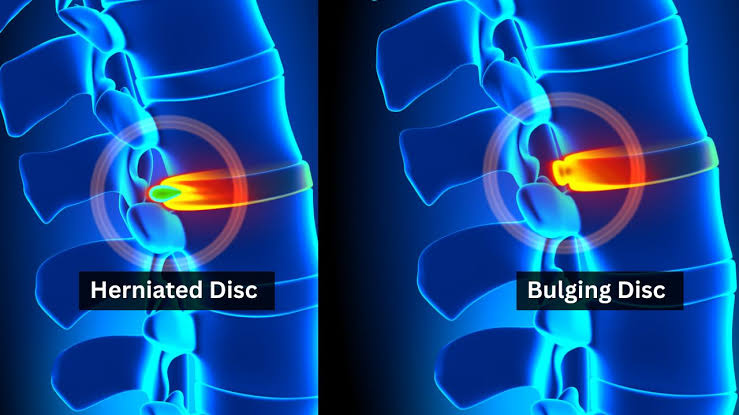
A herniated disc occurs when the nucleus pulposus, the gel-like center of a spinal disc, pushes through a tear in the annulus fibrosus, which is the disc’s tough outer ring. This is also referred to as a slipped or ruptured disc. The displaced material irritates nearby spinal nerves, and the condition most frequently affects the lumbar spine and the cervical spine.
Herniated discs are distinct from bulging discs, but both involve disc displacement. While a bulging disc extends outward uniformly without rupturing the outer layer, a herniated disc involves a localized break in the annular wall. This distinction influences which treatment options are most appropriate for the patient.
What Causes It?
Age-related degeneration is a leading cause of this condition. As spinal discs age, they lose water content, becoming less flexible and more susceptible to tearing under stress. By middle age, even routine movements, such as bending or twisting, can trigger a herniation in a weakened disc. Acute injury is another contributing factor; sudden, forceful impact can cause the disc wall to rupture rapidly. Repetitive physical labor, prolonged sitting, and sedentary habits all increase the mechanical load placed on spinal discs over time.
What Does Its Anatomy Involve?
Each spinal disc is composed of two primary structures: the nucleus pulposus and the annulus fibrosus. The nucleus pulposus is a hydrated, gelatinous core, and it absorbs compressive forces applied to the spine. Surrounding it, the annulus fibrosus consists of concentric layers of fibrocartilage that contain the nucleus and provide structural stability, which is key to maintaining spinal integrity.
When the annulus fibrosus develops a fissure due to degeneration or trauma, the pressurized nucleus pulposus can push through the damaged wall. The extent of protrusion determines the classification. Herniations are classified as protrusions, extrusions, or sequestrations depending on how far the disc material has migrated, and a sequestered herniation involves a fragment that has separated entirely and moved into the spinal canal.
What Are the Symptoms?
The clinical presentation depends on the specific spinal location of the herniation and the level of nerve root compression. Symptoms include:
- Radiating pain, such as sciatica in the lower extremities or localized pain in the neck, shoulder, and arm.
- Sensory disturbances, including numbness, tingling, or burning sensations along the affected nerve pathway.
- Motor deficits, such as muscle weakness, reduced grip strength, or difficulty with fine motor tasks.
Some individuals with a herniated disc may remain asymptomatic, with the pathology detected only during diagnostic imaging for unrelated conditions.
Consult a Specialist Today
A herniated disc is a structural condition with a clear anatomical basis, and it may respond well to targeted treatment. Understanding the mechanics of the condition is the first step toward addressing it effectively. Pain presentation, spinal location, and the extent of nerve involvement all guide the appropriate course of care. If you are experiencing back pain or neurological symptoms such as numbness or weakness, consult a pain specialist.