

Attention-deficit hyperactivity disorder, commonly referred to as ADHD, is a widely recognized neurodevelopmental condition in children. It is a prevalent condition that affects family households, schools, and communities. Understanding what ADHD is, how it presents, and what options exist for diagnosis and management can be a meaningful first step for parents, and this knowledge allows them to further support a child effectively.
What Is ADHD?
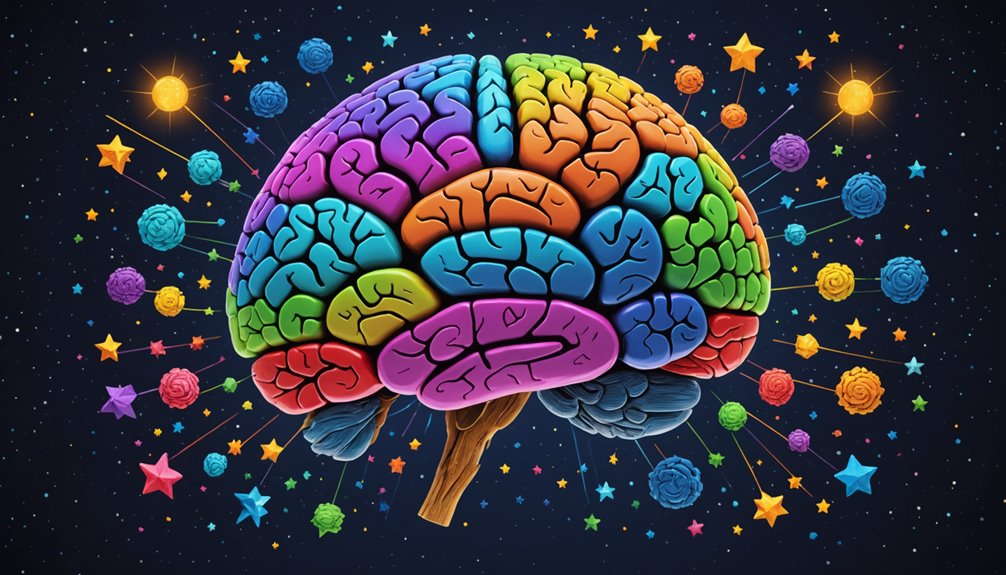
ADHD is a medical condition rooted in differences in brain development and neurological activity, and these differences affect a person’s ability to regulate attention, impulse control, and activity levels. The symptoms associated with ADHD can interfere with daily functioning at home and in social settings. A child may struggle to remain seated for extended periods or complete tasks without becoming distracted. Because these behaviors can overlap with typical childhood development, a formal evaluation by a specialist is the appropriate path to an accurate diagnosis.
What Are the Types?
ADHD is classified into a few distinct presentations, each characterized by a different pattern of symptoms. It is worth noting that some individuals present with a combination of these characteristics. This can affect the type of support a patient receives, and it helps determine which management strategies are most appropriate.
Inattentive Type
The inattentive type is marked by persistent difficulty with focus, concentration, and task completion. Children with this presentation may overlook details or leave assignments unfinished, and daydreaming and forgetfulness are common observations among parents and teachers. This type can be particularly difficult to identify, as the absence of disruptive behavior causes it to go unnoticed in classroom settings.
Hyperactive Type
Children with the hyperactive type of ADHD display a consistent pattern of physical restlessness and difficulty remaining still or quiet. Tasks may be rushed, resulting in careless errors, and the child’s behavior is regularly disruptive. This type can be more visible than the inattentive presentation, and its characteristics are more outwardly apparent.
Impulsive Type
The impulsive type involves a pattern of acting before thinking. Children with this presentation interrupt conversations, or they may react with heightened emotion or aggression. The underlying difficulty is one of self-regulation, specifically the ability to pause and evaluate a situation before responding to it.
How Is It Treated?
ADHD is a clinical diagnosis; this means a qualified specialist evaluates a range of behavioral and cognitive factors to reach a conclusion. A thorough assessment may examine areas such as attention and concentration, executive functioning, and memory. The breadth of this evaluation reflects the complexity of ADHD.
There is currently no cure for ADHD. Symptoms can be managed through a combination of approaches tailored to the individual child. Medication is one option specialists may discuss. Both stimulant and non-stimulant medications are used, and dosages are typically adjusted over time to maintain effectiveness as a child develops. Behavioral therapy supports the development of helpful skills. Through structured sessions, children build practical strategies for navigating day-to-day challenges. Parent coaching is another component of comprehensive care. Caregivers learn specific techniques for responding to behavioral difficulties in ways that are constructive and consistent.
Speak Further With a Specialist
ADHD presents differently in every child, and its management requires an individualized approach. A neurologist can provide the clinical evaluation needed to distinguish between the types of ADHD, and this identification helps a care provider develop a treatment plan suited to a child’s specific needs. Families who have questions or are seeking guidance are encouraged to schedule a consultation with a specialist, allowing them to discuss their concerns in detail.