

A tummy tuck, clinically known as an abdominoplasty, is a surgical procedure that alters the shape of the abdomen. This operation removes excess skin, and it helps tighten the underlying abdominal muscles. Full recovery typically takes a month or two, during which patients restrict physical activity and wear compression garments. Knowing what happens before, during, and after the procedure helps individuals make informed medical decisions. Here is more information on the surgery and the specific timeline patients experience as they heal:
What Is a Tummy Tuck?
A tummy tuck is a major surgical procedure performed by a board-certified plastic surgeon that alters the physical appearance of the abdomen. Doctors primarily recommend this procedure for body contouring rather than significant weight reduction. The scope of the operation varies depending on the patient’s specific anatomical needs. A full abdominoplasty addresses the entire abdominal region above and below the navel, and it requires a longer incision. A mini abdominoplasty targets only the lower abdomen below the belly button. The plastic surgeon will evaluate the patient’s physique to recommend the most appropriate surgical approach.
Why Is It Conducted?
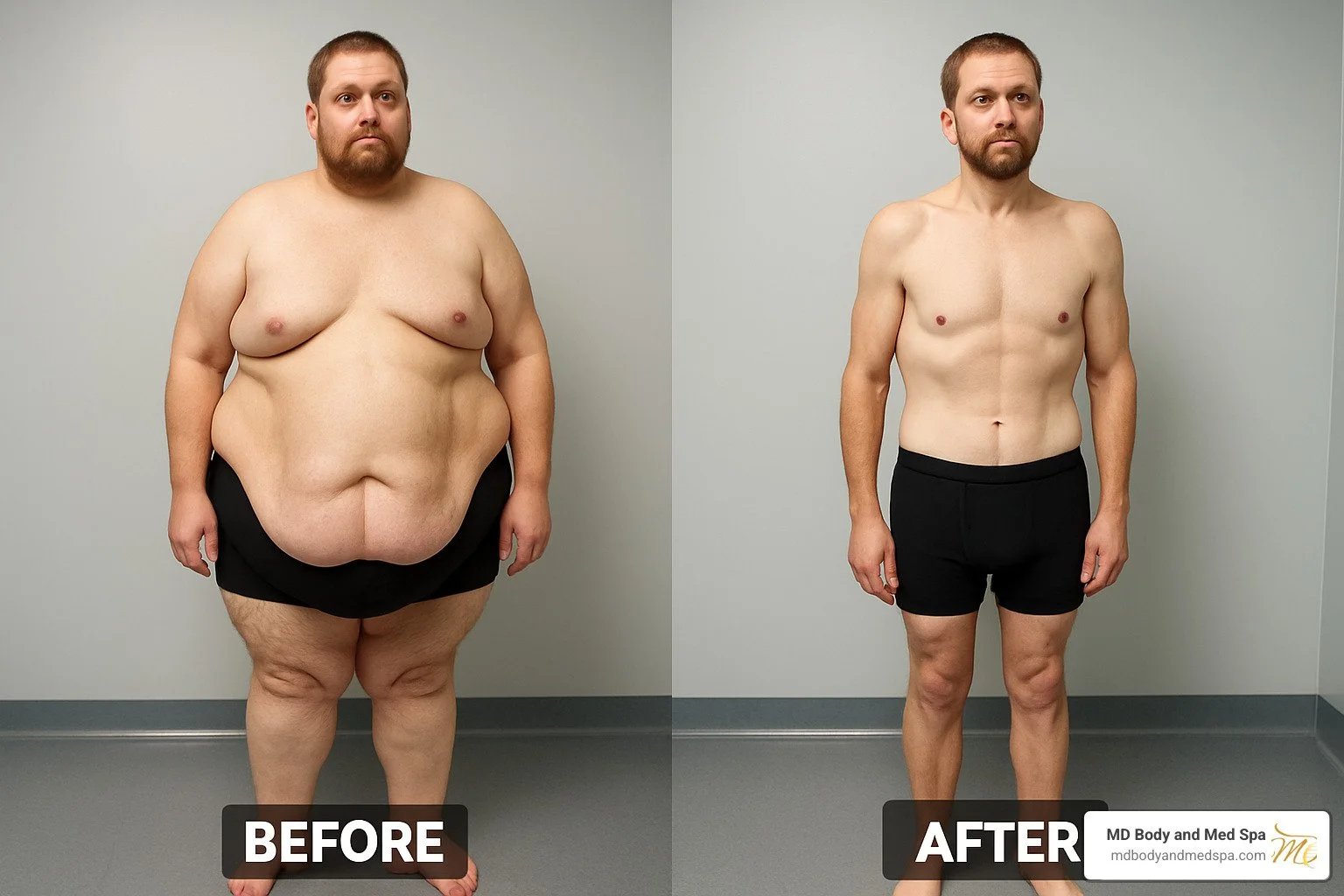
Pregnancy and significant weight fluctuations may leave individuals with loose abdominal skin. Aging also contributes to a progressive loss of skin elasticity in the midsection. Surgeons conduct this operation to address these specific structural changes in the abdominal wall, as removing this excess tissue creates a smoother, more toned abdominal profile. Genetics also plays a role in how the body stores fat and maintains skin elasticity, and some individuals possess a genetic predisposition to abdominal tissue laxity regardless of their overall fitness level.
What Does Surgery Involve?
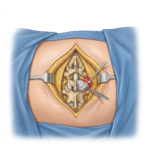
During the operation, the surgeon makes an incision just above the pubic hairline. The length of this incision depends on the amount of excess skin that the surgeon targets for removal. After lifting the skin, the surgeon repairs weakened abdominal muscles, and this step creates a firmer abdominal wall.
Once the muscle repair is complete, the surgeon stretches the remaining skin downward to remove the excess material. A new opening may be created for the belly button, and the surgeon positions it naturally on the altered abdomen. The surgical team then closes the incisions.
What Are the Benefits?
An abdominoplasty procedure provides both physical and functional benefits, including:
- Aesthetic Improvements: The procedure removes excess, sagging skin from the midsection and repairs separated abdominal muscles, resulting in a flatter, more toned abdominal profile.
- Functional Medical Advantages: The surgery can repair conditions such as ventral hernias by reinforcing the abdominal wall.
- Improved Incontinence: For some individuals, tightening the core muscles provides additional support to the bladder and pelvic floor.
Discussing these potential benefits with a qualified surgeon can help determine the clinical value of the procedure for an individual patient.
What Is Recovery Like?
The recovery timeline for a tummy tuck spans several weeks, and it requires strict adherence to clinical guidelines. During the first few days, patients may experience swelling, bruising, and moderate discomfort. Patients benefit from wearing an abdominal support garment to minimize swelling and support the healing tissues. Most individuals can return to non-strenuous work within a few weeks following the operation. Full internal healing takes several months as the tissues settle and the swelling completely resolves.
Learn More About Surgery Today
Understanding the healing timeline helps patients prepare for an abdominoplasty. The procedure reconstructs the abdominal wall and removes excess tissue, requiring several weeks of dedicated downtime. Adhering to medical advice may yield improved structural outcomes, and it promotes safe healing. Consult a board-certified plastic surgeon to discuss your specific medical needs.