

Allergic reactions occur when the immune system responds excessively to a substance it identifies as a threat. Symptoms range from mild skin irritation to life-threatening emergencies, so knowing when to seek emergency care is key. In an emergency room (ER), medical teams can assess, monitor, and treat allergic reactions according to their severity. Here’s information about key symptoms to watch for, treatments provided in the ER, and follow-up care to reduce the risk of future reactions:
Recognizing Allergic Reactions
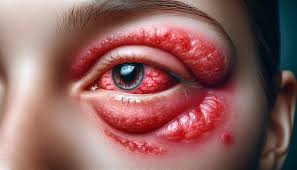
Allergic reactions are triggered by many substances, including foods, medications, insect venom, and environmental exposures. Symptoms may also differ from person to person. Mild reactions often present as skin changes; this includes hives, redness, or itching. Moderate reactions may involve swelling of the face and lips or gastrointestinal symptoms like nausea and cramping. Symptom severity helps determine how quickly medical attention should be sought. Anaphylaxis is the most severe form of reaction, and it can progress rapidly, affecting multiple body systems. Warning signs include:
- Swelling of the throat or tongue
- Difficulty breathing or wheezing
- A sudden drop in blood pressure
- Rapid or weak pulse
- Dizziness or loss of consciousness
Assessing Reactions at Arrival
If anaphylactic symptoms occur, emergency care should be sought without delay. Upon arrival at the ER with a suspected allergic reaction, the care team begins a rapid assessment. They evaluate your symptoms and their onset, check key health signs, and determine the severity of the reaction. Staff may also ask about known allergens and recent exposures. They should be informed of any medications administered before arrival, including epinephrine. These details guide immediate treatment decisions, and they help shape the ongoing monitoring plan.
Treating Reactions in the ER
Treatment in the ER depends on the severity of the allergic reaction. Milder reactions are managed differently from anaphylaxis, which requires immediate intervention. For non-life-threatening symptoms, providers may administer antihistamines to reduce itching and swelling, along with corticosteroids to help control inflammation. Patients are typically observed for a period of time before discharge; this makes sure symptoms do not worsen.
Anaphylaxis requires rapid and coordinated treatment. Epinephrine is the first-line medication, and it is administered by injection while the patient is closely monitored. Additional supportive measures may include oxygen or airway support, intravenous fluids to stabilize blood pressure, and medications such as bronchodilators to relieve persistent respiratory symptoms.
Even after symptoms improve, ER teams typically observe patients for a few hours. Biphasic reactions are a second wave of symptoms, and they can occur hours later. Since they remain a risk, ongoing monitoring is a key part of care. Before discharge, providers can explain what symptoms to watch for at home, when to return for care, and whether an epinephrine auto-injector is appropriate for your situation. These clear instructions provide a practical plan to follow after leaving the hospital.
Prevent Future Allergic Episodes
An ER visit manages the immediate allergic reaction, but follow-up care helps reduce your risk going forward. Your provider may refer you to an allergist for additional evaluation. Allergy testing through skin prick tests or blood work helps pinpoint your specific triggers. With that knowledge, an allergist may suggest avoidance strategies, an emergency action plan, or immunotherapy for certain allergens. Carrying a prescribed epinephrine auto-injector is another helpful safety step for some individuals. Allergic reactions vary in severity, and emergency rooms are equipped to manage the full range, from moderate responses to anaphylaxis. If you’ve had a significant reaction, visit the ER or schedule a follow-up appointment today.