
An OBGYN is a doctor who focuses on women’s reproductive health, and they provide pregnancy, childbirth, and gynecological care. Many patients reach an OBGYN through different paths, and each path starts in a slightly different place. Knowing how these routes work helps you feel ready for your first appointment. Here is more information on the transition to an OBGYN for your healthcare needs:
Primary Care Provider Referrals
Your primary care provider (PCP) typically serves as the first point of contact for health concerns. When a symptom relates to reproductive health, your doctor may suggest a specialist. This referral gives the OBGYN a starting picture of your history, and it saves time during your visit.
Some insurance plans require a referral before you see a specialist. You call your plan, you ask about the rules, and you follow the steps they list. Since paperwork moves between offices, your records may arrive before you do. This shared information helps the OBGYN prepare for your appointment.
Fertility-related Specialists
Patients who face fertility challenges sometimes start with a different specialist. A reproductive endocrinologist studies hormones that affect fertility, and this doctor may work alongside your OBGYN. When treatment reaches a certain stage, care often returns to the OBGYN for ongoing support.
Several reasons lead patients toward fertility-focused care:
- Difficulty conceiving after several months
- Irregular menstrual cycles
- Known hormonal conditions
These situations typically prompt a referral. Your provider reviews the notes, discusses options, and coordinates the next steps. Since two doctors share the case, communication between offices keeps your care consistent.
Pediatric to Adult Care
Younger patients typically see a pediatrician for general health needs. As they grow, reproductive health questions start to appear. A pediatrician might recommend an OBGYN once a patient reaches the teen years, though timing varies by person and by need.
This shift marks a move toward adult-focused care. Your first OBGYN visit typically covers education, screenings, and general questions. Since the topics feel new, many patients bring a parent or a list of questions.
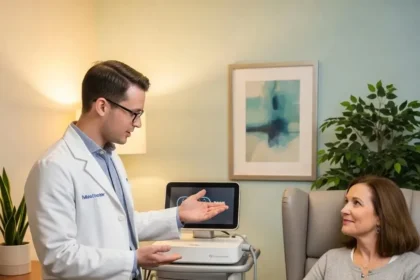
Preparing ahead may make the conversation smoother. While the first visit to an OBGYN is a challenge, open communication can help ease any concerns, and the doctor is there to provide support, answer questions, and offer guidance tailored to individual needs. Jotting down your questions before the appointment and bringing a list of any symptoms or concerns makes sure you cover everything during your visit.
Specialized Care
Some health conditions call for care beyond routine visits. An OBGYN treats many specialized needs, and this training covers both surgery and long-term management. When a condition grows complex, your doctor may bring in additional specialists.
Main reasons patients seek specialized OBGYN care include:
- Endometriosis
- Fibroids
- Pregnancies that are high risk
- Pain in the pelvis
Each condition follows its own treatment path. Your OBGYN explains the diagnosis, outlines the choices, and answers your questions. Since these visits often involve tests, you may return more than once. Keeping your records organized helps the process move forward. The path to an OBGYN depends on your age, your history, and your current health needs.
Schedule an OBGYN Visit
Some patients arrive through a referral, while others transition from pediatric care. Fertility concerns and specialized conditions also lead many people toward this type of doctor, and each route brings you to a specialist trained in reproductive health. Call your primary care doctor to ask about a referral, or contact an OBGYN office directly to schedule a visit. Bring your questions, your records, and any insurance details to your appointment.