
Eyes change over time, and regular checkups help catch problems early. Some eye conditions develop slowly, with few symptoms in their initial stages. When patients visit an eye doctor, they can learn about their vision, address concerns, and plan for long-term eye health. Here is more information about what an eye doctor does, the services they provide, and the questions to ask during an appointment:
What Is an Eye Doctor?
An eye doctor, or ophthalmologist, is a medical professional who specializes in eye and vision care. Ophthalmologists complete medical school, followed by specialized training in diagnosing and treating eye conditions, and they differ from optometrists and opticians because they can perform surgery, prescribe medication, and manage complex eye diseases. If a patient has a condition that requires medical or surgical treatment, an ophthalmologist is the professional they would see.
What Services Do They Offer?
Eye doctors provide a wide range of services that go beyond basic vision testing. These include comprehensive eye exams, vision correction through glasses or contact lenses, and screening for eye diseases. Some ophthalmologists also perform surgical procedures, such as cataract removal and laser vision correction, thereby improving eye health. Preventive care forms a large part of their work, and regular checkups allow doctors to detect early signs of disease before symptoms appear.
What Conditions Do They Treat?
Eye doctors treat various eye conditions; these conditions range from minor irritations to serious diseases. Common issues include dry eyes, which cause discomfort and blurry vision, and red eye, often linked to infection or allergy. Both conditions are usually treatable with medication or simple lifestyle changes.
More serious conditions require ongoing management. Glaucoma damages the optic nerve and leads to vision loss if untreated, while cataracts cloud the eye’s lens and may require surgery. Macular degeneration affects central vision, and it tends to develop with age. Early detection of these conditions helps improve the chances of preserving sight, which is one reason regular appointments matter.
What Does an Appointment Involve?
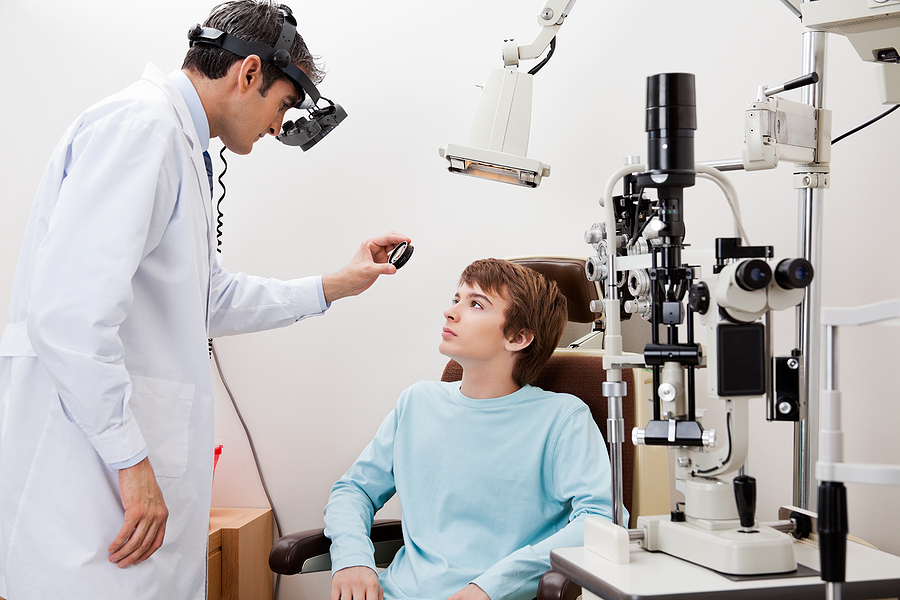
A typical eye appointment follows a structured sequence, which a patient should prepare for. It begins with a review of medical history and any symptoms the patient has noticed. The doctor then conducts a series of tests to measure visual acuity, eye pressure, and the health of internal structures; these tests are typically quick.
After testing, the doctor discusses the findings with the patient; this is when they learn about their current eye health and any conditions detected. If treatment is needed, the doctor explains the available options and answers the patient’s questions. Some appointments include dilation, where drops widen the pupils so the doctor can examine the retina more closely.
What Questions Should You Ask?
Asking questions during the appointment helps patients understand their eye health and make informed decisions. Ask the following:
- What is the current state of my vision and eye health?
- Am I at risk for conditions such as glaucoma, cataracts, or macular degeneration?
- How often should I schedule eye exams based on my age and medical history?
- What do my test results mean, and do I need any follow-up tests?
- Are there lifestyle changes that could protect my vision?
Clear communication helps patients follow the recommended treatment plan.
Prepare for Your Appointment Today
Regular eye exams protect your vision, and they help detect conditions before they progress. By understanding what an ophthalmologist does and which questions to ask, you can make the most of your appointment and take an active role in your eye care. Schedule your next eye exam to learn more about your eye health.