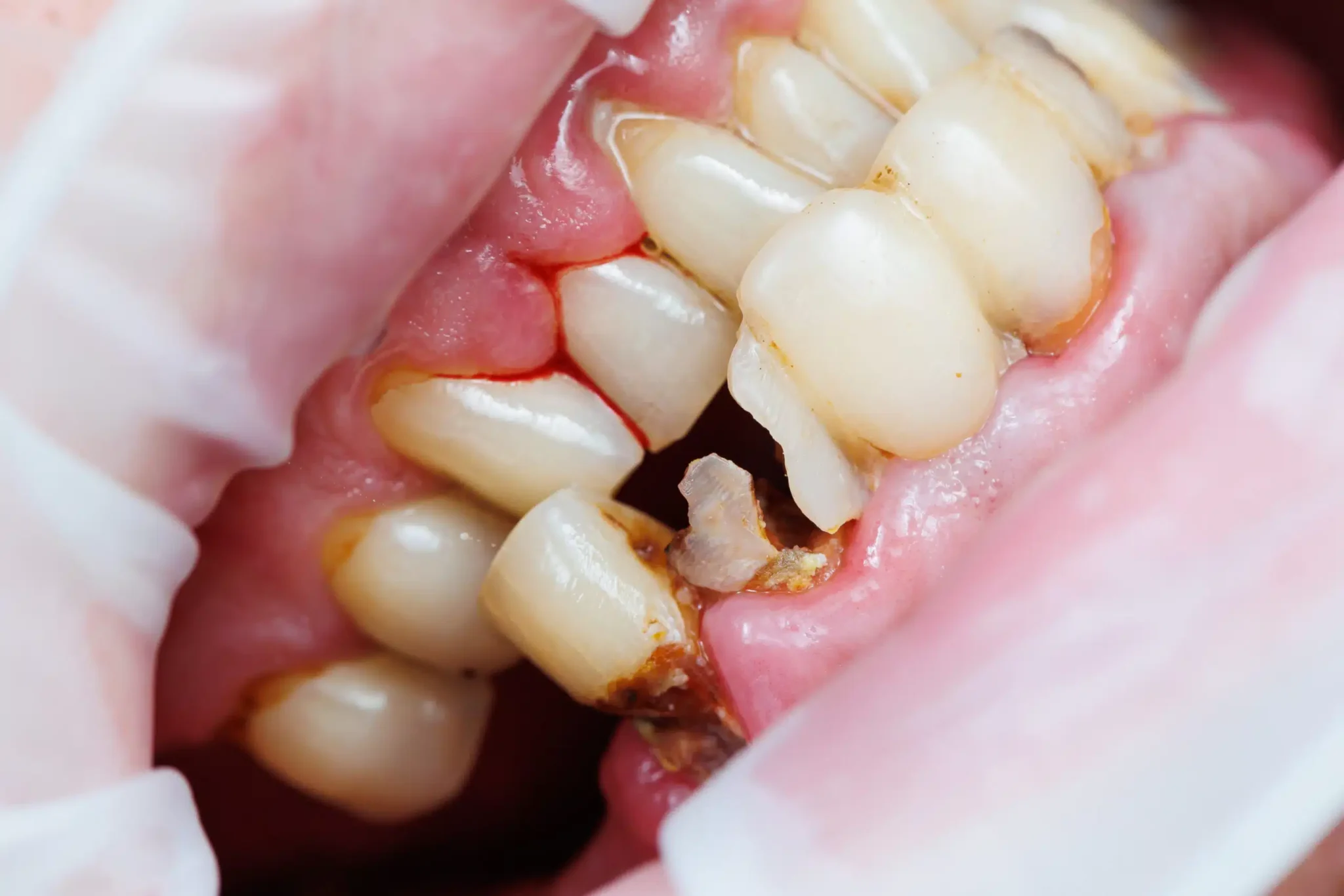

While a fall, a sports injury, an auto accident, or biting a hard food can break a tooth, your reaction shapes what happens next. A broken tooth can be a stressful experience, and knowing how to react can make a difference in preserving your oral health. A same-day dental visit gives the tooth a stronger chance, and this guide explains what to do right away, whether a broken tooth can be saved, and what a painless crack might mean.
Act Quickly
Your first steps after a break matter. The tooth may hurt, so take an over-the-counter pain medication such as acetaminophen, and rinse your mouth with salt water to manage discomfort. Because the rinse soothes the area while the medication works, it helps stabilize symptoms in the short term. Sharp edges can harm your tongue and cheek. A small piece of dental wax or sugarless chewing gum covers the rough edge, and this barrier protects soft tissue. If swelling develops, an ice pack on the outside of the mouth can help, and you should contact a dentist right away so a same-day visit can be arranged.
Assess Repair
A broken tooth can often be saved. A dentist evaluates how much structure is lost, and treatment is matched to the damage. Because small to medium chips often respond to dental bonding, a tooth-colored material may be used to restore shape and function.
Larger breaks require stronger restorations. Veneers and crowns can restore a damaged tooth, and a build-up material may be used so a crown can be placed securely. When a tooth breaks near the gum line, a dentist may perform a root canal; this allows the tooth to be restored with a crown.
A fracture that reaches the inner chamber requires a root canal. The procedure removes the pulp; it helps reduce the risk of infection. Because untreated damage can allow infection to develop and spread to nearby bone, prompt evaluation supports better treatment outcomes.
Watch Silent Cracks
A cracked tooth can be serious even when it causes no pain. Some hairline cracks in enamel may not require treatment; these can remain stable over time. Because other cracks weaken the tooth structure, they can increase the risk of further damage.
A crack also allows bacteria to enter hard-to-clean spaces. Bacteria can collect in the crack; this may lead to infection if it reaches the pulp. Because infection can progress to a tooth abscess, early evaluation helps reduce complications. Treatment depends on crack depth. A dentist may smooth edges, apply bonding, or place a crown, and deeper cracks may require extraction. Although a cracked tooth cannot heal on its own, a dental exam determines the appropriate treatment.
Fix a Broken Tooth
A broken or cracked tooth needs prompt attention. First aid helps reduce pain; a dentist determines whether bonding, a crown, a root canal, or extraction is appropriate. Because even painless cracks carry risk, scheduling a dental visit early helps protect the tooth and reduce the chance of infection. Fix a broken tooth by finding a dental clinic in your area.