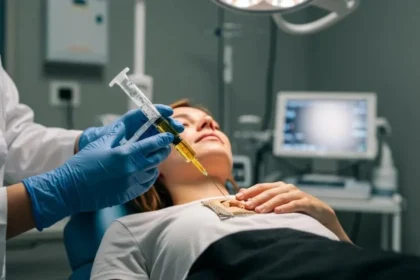

Balloon sinuplasty is a minimally invasive procedure that opens blocked sinus passages. Many patients discuss it after ongoing sinus problems, and it addresses nasal obstruction that limits airflow. If you have struggled with chronic symptoms for months, this procedure may help, and your doctor can explain whether you qualify.
Steps Before Your Procedure
Balloon sinuplasty preparation starts with a consultation and review of your medical history. Your doctor examines your sinuses, and a CT scan often confirms the source of your nasal obstruction. Knowing your sinus anatomy helps your doctor plan the best treatment for you. You will get instructions about medications before your procedure. If you take blood thinners, your doctor may adjust them to lower bleeding risk.
Some over-the-counter medications, like aspirin or ibuprofen, may also need to be paused. Ask your doctor for a full list of what to avoid and for how long. On the day of your procedure, a few practical steps make the process smoother. Bring a list of your medications, and bring any insurance information you may need.
In the days before your appointment, prepare your home for recovery. Confirm any remaining questions at your pre-procedure appointment. You can be ready. These simple steps reduce delays, and they help your procedure day go smoothly.
Procedure Steps and Techniques
The procedure takes place in an office or surgical setting, and the environment is designed to keep you comfortable. Your doctor applies local or general anesthesia before beginning, and you stay relaxed throughout the session. Once you are ready, your doctor inserts a small, flexible catheter into your nasal passage. When the catheter is in the right position, a small balloon at its tip inflates gently. This widens the sinus opening, and the surrounding bone and tissue shift to a more open position. The balloon then deflates and is removed, and the opened passage stays wide for proper drainage. If more than one sinus is blocked, your doctor treats each one using the same method. Your doctor checks your comfort and explains each step.
Recovery Steps and Timeline
You may have mild pressure or congestion, and light drainage is common for a few days after treatment. Rest for the first day and avoid strenuous activity for at least a week. Bending over or lifting heavy objects can increase pressure in your sinuses, so take it easy while your body adjusts. Use saline rinses if your doctor recommends them. They clear discharge and keep your nasal passages moist. Some patients notice better breathing within a few days, while others see gradual progress over several weeks.
Watch for signs that need attention, such as increased pain, fever, or unusual discharge, and contact your doctor right away if these occur. Follow all post-procedure instructions carefully, including any prescribed medications or activity restrictions. Follow-up visits confirm your sinuses drain properly, and they confirm that your nasal obstruction has improved.
Book Balloon Sinuplasty Today
Persistent sinus problems deserve a clear evaluation from a qualified specialist. Balloon sinuplasty offers a defined path forward, and understanding each stage helps you plan. If your symptoms have lasted for weeks, contact the office to schedule an assessment, and your team will review your options. Take the next step today, and let them help you breathe more easily.