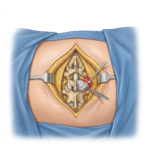

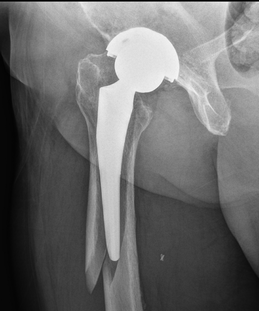

Hip pain can affect mobility and make everyday activities more difficult. Hip arthroplasty, also known as hip replacement surgery, is a procedure that replaces a damaged hip joint with an artificial implant. An orthopedic surgeon may recommend this treatment for certain hip conditions based on the patient’s symptoms, joint damage, and overall health. Here is more information on what to know about hip arthroplasty from an orthopedic surgeon:
Evaluating Hip Arthroplasty Candidates
Hip arthroplasty may be recommended when hip pain continues despite nonsurgical treatments such as physical therapy, medications, or injections. An orthopedic surgeon evaluates the extent of joint damage, overall health, and how symptoms affect daily activities before determining whether surgery is appropriate. Treatment recommendations are based on each patient’s individual condition and functional needs.
Several conditions may lead to hip arthroplasty, including osteoarthritis, rheumatoid arthritis, avascular necrosis, and certain hip fractures. Osteoarthritis is one of the most common reasons for the procedure because it gradually wears away the cartilage that cushions the hip joint. A comprehensive evaluation helps determine whether hip replacement surgery is a suitable treatment option.
Choosing Hip Replacement Options
Hip arthroplasty includes different surgical approaches based on the patient’s condition, anatomy, and treatment goals. A surgeon evaluates each case to determine the procedure that best addresses the affected hip joint. The recommended approach depends on factors such as the cause of joint damage and the overall health of the patient. Common types of hip arthroplasty often include:
- Total hip arthroplasty: Replaces both the ball of the femur and the hip socket with artificial components.
- Partial hip arthroplasty: Replaces only the femoral head and is commonly used for certain hip fractures.
Orthopedic surgeons also select surgical approaches, such as anterior, posterior, or lateral techniques, based on each patient’s needs. The choice of approach depends on several factors, including the condition being treated, joint anatomy, and the surgeon’s clinical evaluation.
Understanding Surgical Risks
Hip arthroplasty is a commonly performed procedure, and an orthopedic surgeon reviews the potential risks and benefits before surgery. As with any operation, complications can occur, and patients receive instructions designed to support a safe recovery. Understanding possible risks helps patients prepare for the procedure and follow postoperative recommendations.
Potential complications may include blood clots, infection, joint dislocation, or changes involving the implant over time. Individual factors, such as overall health and existing medical conditions, are able to influence surgical planning and recovery. Orthopedic surgeons evaluate these factors before surgery and provide guidance throughout the rehabilitation process.
Recovering After Hip Arthroplasty
Recovery after hip arthroplasty is a gradual process that includes protecting the new joint, managing discomfort, and participating in a structured rehabilitation program. Many patients begin walking with assistance soon after surgery, and activity levels increase as healing progresses. Physical therapy and follow-up appointments help improve strength, mobility, and joint function, while recovery timelines vary based on the individual’s health, surgical approach, and treatment plan.
Schedule Your Orthopedic Surgeon Consultation
Hip arthroplasty is a surgical procedure used to replace a damaged hip joint with an artificial implant. Learning about the procedure, recovery process, and rehabilitation requirements helps patients make informed decisions about their care. An orthopedic surgeon can evaluate chronic hip pain and discuss whether hip replacement surgery will sometimes be appropriate based on the patient’s condition and treatment history. Schedule a consultation with a surgeon to review your symptoms and explore available treatment options.