
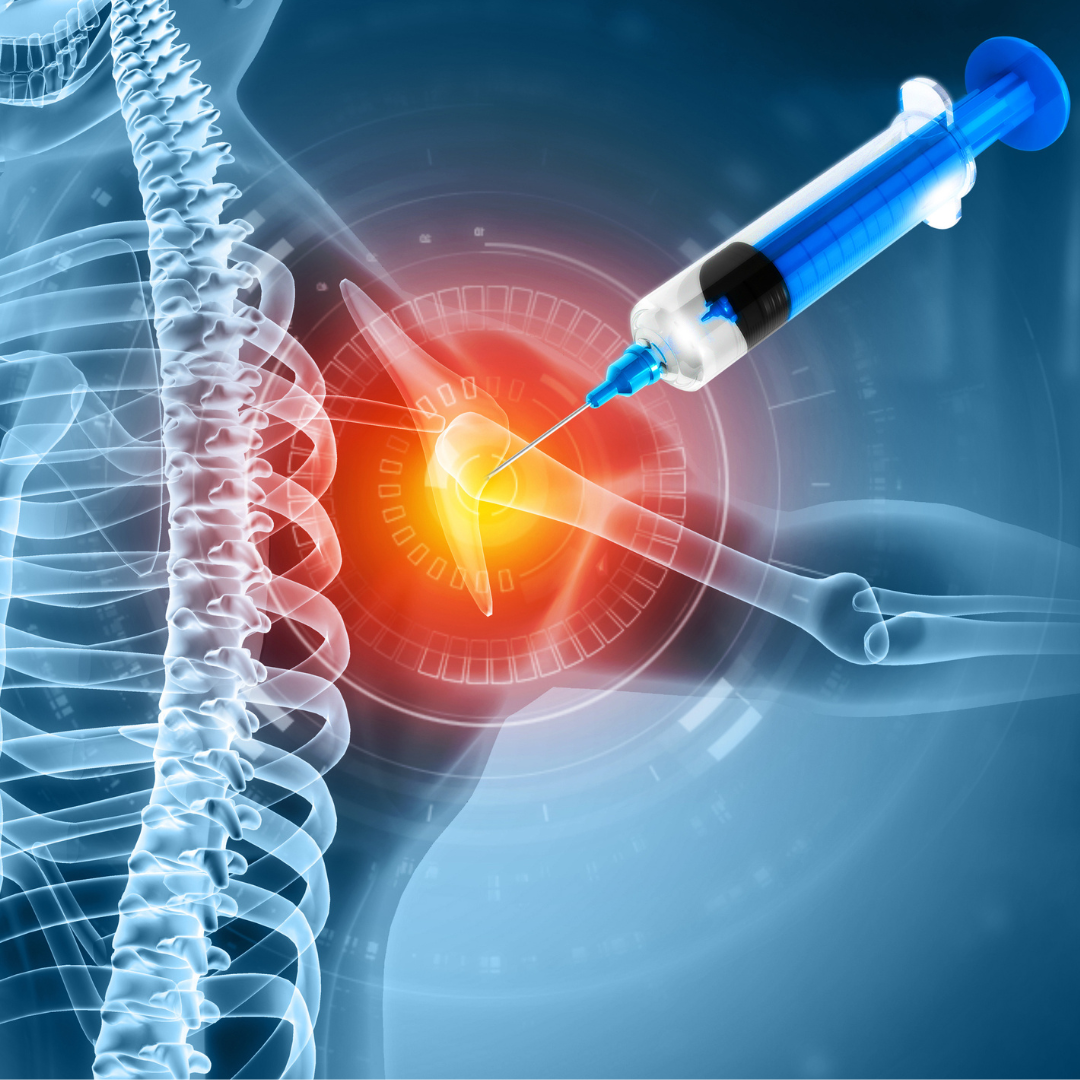

Prolotherapy is an injection-based treatment that may help relieve pain and strengthen injured or weakened joints, tendons, and ligaments. A healthcare provider may recommend it for certain musculoskeletal conditions after evaluating the patient’s symptoms, medical history, and treatment needs. Here are key details to know about prolotherapy:
How Does Prolotherapy Work?
Prolotherapy targets ligaments, tendons, and joints that have not fully healed after an injury or repeated stress. A provider injects a small amount of solution into the affected site, and this solution prompts the body to respond to the area. The goal is to encourage the natural repair process, so the treated tissue may become firmer over time.
Treatment plans generally include several sessions spaced a few weeks apart, and the exact number depends on your condition and response. A provider will map out the injection points during your first visit, and each session usually takes a short time to complete. You may experience mild soreness afterward, though this often fades within a few days.
What Are Its Benefits?
When reviewing prolotherapy, it is fundamental to evaluate its potential benefits and determine whether it aligns with your individual health needs and goals. Here are some of its key benefits:
- Nonsurgical option: The treatment uses injections rather than incisions, so it appeals to people who want to avoid an operation and a longer downtime.
- Targeted approach: Providers direct the solution to specific ligaments, tendons, or joints, which allows them to address the exact source of ongoing discomfort.
- Suitability for chronic issues: People with long-standing joint, back, neck, or soft-tissue pain often explore this option after other conservative methods.
- Minimal preparation: The procedure requires little advance planning compared with surgery, though your provider will still review your history.
A provider will examine the painful area, review your goals, and explain whether prolotherapy aligns with your needs.
How Should Patients Prepare?
Good preparation begins with a conversation about your medical history and current medications. Your provider may ask you to pause certain anti-inflammatory drugs before treatment, and following these instructions supports the intended response. You should also share details about past injuries so the provider can plan the injection points accurately.
Practical steps also matter on the day of your appointment. Wear comfortable clothing that gives easy access to the treatment area, and arrange transportation if you are uncertain about driving afterward. Eating a light meal beforehand can help you stay comfortable, and staying hydrated is a helpful habit to build in.
What Happens During Recovery?
Recovery after prolotherapy treatment is a key part of the process, as it directly impacts the overall effectiveness of the intervention. Proper management during this phase helps to minimize discomfort, reduce complications, and promote optimal healing. Here are key strategies that can support your recovery:
- Rest the area briefly: Give the treated area a short break from heavy strain, and follow your provider’s guidance on when to resume normal movement.
- Expect mild soreness: Tenderness or stiffness near the injection points is common in the first days, and it often eases on its own.
- Follow activity guidance: Your provider may suggest gentle movement or specific exercises to support the recovery process in the following weeks.
- Attend follow-up sessions: Results tend to build across multiple visits, so keeping your scheduled appointments is a key part of the plan.
Improve Your Mobility With Prolotherapy
Prolotherapy is a treatment option designed to address joint pain and improve mobility by targeting ligament and tendon damage. This therapy reduces discomfort and enhances range of motion by promoting the body’s natural healing process. Success depends on consistent treatment, open communication with your provider, and tracking your progress over time. If you are struggling with persistent joint pain or limited mobility, contact a qualified regenerative medicine specialist to schedule your appointment today.