
Rosacea is a chronic skin condition that can cause facial redness, visible blood vessels, bumps, and sensitivity. Symptoms often resemble other skin concerns; consulting a dermatology provider can help patients receive an accurate diagnosis and a personalized treatment plan. Here is a closer look at what to know about rosacea and how dermatology care can help:
Recognizing Common Symptoms
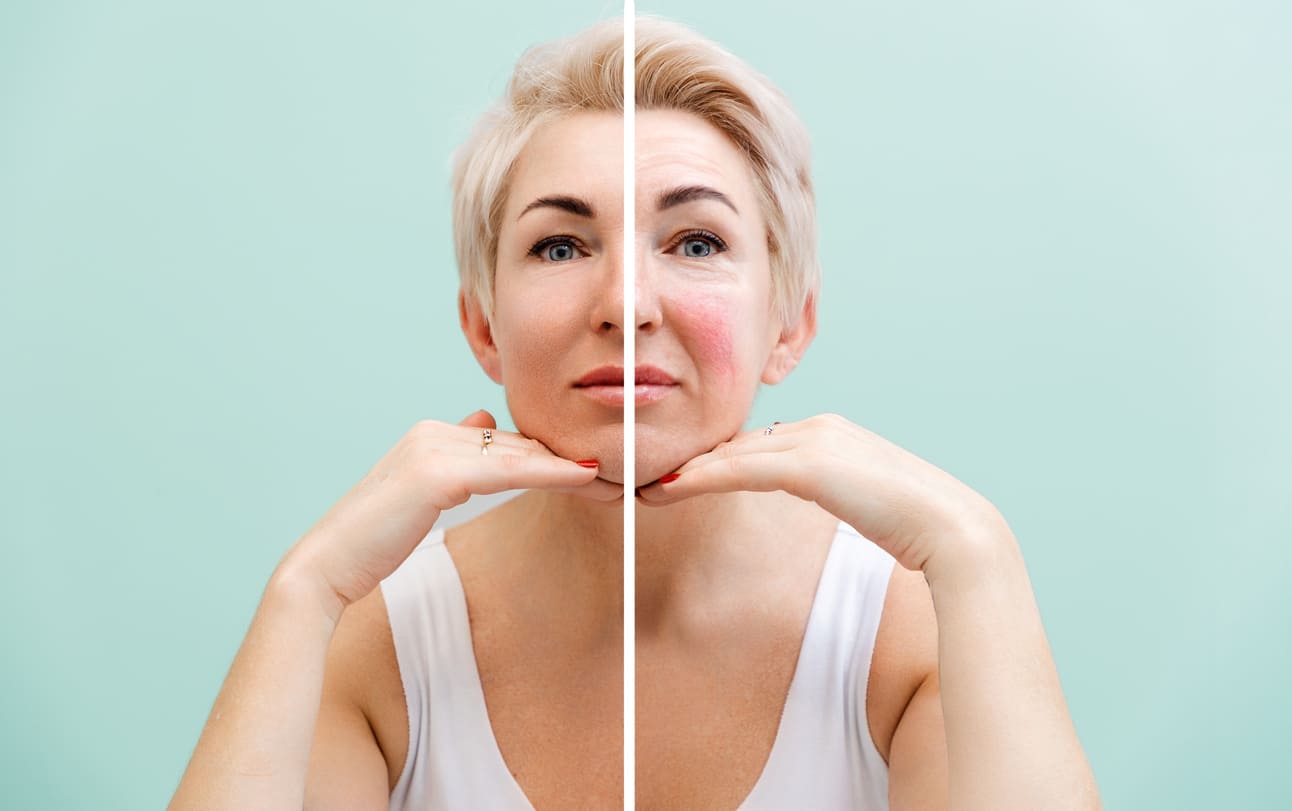
Rosacea usually starts with redness across the central part of the face. The redness may look like a blush at first, but it can become constant over time. Some people also notice tiny visible blood vessels under the skin, and these are most common around the nose and cheeks. Here are some symptoms that people with rosacea often report:
- Facial redness: Lasting redness across the cheeks, nose, chin, or forehead.
- Bumps and pimples: Small red bumps that may contain pus and are mistaken for acne.
- Visible blood vessels: Thin red lines that appear on the surface of the skin.
- Eye irritation: Dry, itchy, or watery eyes, which some people experience alongside other signs.
If you notice these symptoms, it is key to consult a dermatology specialist for proper diagnosis and personalized treatment options.
Understanding Triggers
Triggers are factors that can worsen rosacea symptoms. They do not cause the condition, but they may lead to a flare-up. Some people find that certain foods, weather, or activities set off their redness, and identifying these patterns is a key step toward control.
Triggers differ for each person, so what affects one person may not affect another. Keeping a diary can help you identify your own patterns over time. Common triggers include sun exposure, hot drinks, spicy foods, alcohol, stress, and extreme temperatures. When you know your triggers, you can plan ahead and reduce contact with them. A dermatology professional can also help you connect your habits to your flare-ups.
Exploring Dermatology Treatments
There is no single cure for rosacea, but several options may help reduce visible signs. A dermatology provider reviews your skin and suggests a plan that suits your symptoms. Here are treatment options a dermatology provider may recommend:
- Topical products: Creams or gels applied to the skin to reduce redness or bumps.
- Oral options: Medications taken by mouth, which a provider may suggest for certain symptoms.
- Light-based procedures: Treatments that aim to reduce visible blood vessels and redness.
- Daily skin care: Gentle cleansers and sunscreen to protect and calm the skin.
Consulting with your dermatology provider will help determine the most effective combination of treatments tailored to your specific skin concerns.
Managing Rosacea
Rosacea is a long-term condition, so daily habits play a large role in keeping it under control. A regular routine helps you limit flare-ups and protect your skin. Sun protection is fundamental; people often use a daily sunscreen to guard against one of the most common triggers.
Gentle skin care also supports long-term results, whereas harsh products can worsen symptoms. You may want to contemplate switching to mild cleansers and fragrance-free moisturizers. Regular check-ins with a dermatology provider let you adjust your plan as your skin changes, and this ongoing support keeps your routine on track.
Schedule Your Dermatology Care Appointment
Rosacea causes redness, bumps, and visible blood vessels, and triggers like sun exposure, heat, and certain foods can make it worse. Treatment options range from topical products to light-based procedures, while daily care and trigger awareness support long-term control. Opting for gentle, fragrance-free products, avoiding common triggers, and maintaining regular dermatology appointments are key strategies for achieving healthy skin over time. Contact a qualified dermatology specialist in your area to schedule your appointment and get care for rosacea today.