
Knee arthritis affects mobility, comfort, and daily activities, especially when joint pain and stiffness become more frequent. Managing the condition may involve lifestyle adjustments, medical guidance, and treatment options that support joint function. Here is what you need to know about managing knee arthritis:
Tracking Symptoms and Impact
Knee arthritis often begins with mild discomfort, but the symptoms tend to worsen over time. People may experience stiffness in the morning, and the joint often swells after prolonged activity. Pain often increases when individuals climb stairs, kneel, or stand up from a chair.
Daily life often changes as the symptoms develop. Walking long distances becomes harder, and some people experience a grinding sensation when they move the knee. The joint may become weak or unstable, which makes routine tasks more difficult to complete.
Identifying Causes and Risk Factors
Several factors increase the risk of developing knee arthritis, and understanding them gives individuals a clear picture of their risk. Here are some common contributors:
- Age: Cartilage naturally wears down as people get older, especially after the age of 50.
- Excess weight: Extra body weight increases pressure on the knee joint, and this strain can accelerate cartilage loss.
- Past injuries: A previous knee injury, such as a torn ligament, may lead to arthritis years later.
- Genetics: Family history plays a role, and some people inherit a higher possibility of joint problems.
- Repetitive stress: Jobs or sports that demand frequent kneeling or heavy lifting may wear the joint over time.
These factors do not guarantee that you will develop the condition, but they help explain why some people are more likely to experience it than others.
Reviewing Treatment Options
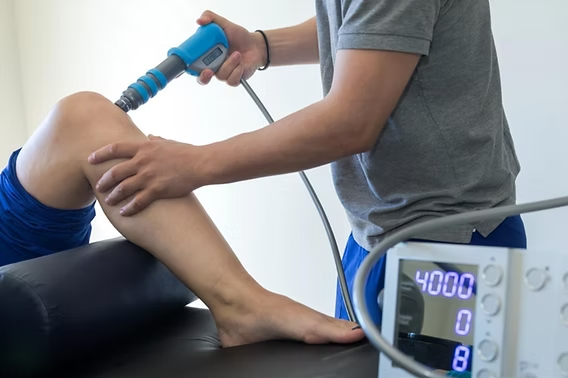
Treatment for knee arthritis focuses on reducing pain and maintaining joint mobility. Doctors often begin with non-surgical methods, and these can include physical therapy, medication, and supportive devices. A therapist may design exercises that strengthen the muscles around the knee and ease pressure on the joint.
Pain relief can come from several sources, and your doctor will guide you toward the right choice. Some people use over-the-counter medication to manage discomfort, while others receive injections that target inflammation. Braces and shoe inserts may also support the knee and improve walking. When other methods do not provide sufficient relief, a doctor may recommend surgery. Surgical options range from minimally invasive procedures to full joint replacement, and the choice depends on the severity of the damage.
Improving Lifestyle and Daily Habits
Daily habits play a large role in how individuals manage knee arthritis. Here are some practical steps patients can take:
- Stay active: Gentle movement, such as walking or swimming, keeps the joint flexible and strengthens nearby muscles.
- Manage your weight: Reaching a healthy weight reduces the load on your knees, which can reduce daily pain.
- Eat balanced meals: A diet rich in fruits, vegetables, and lean protein supports overall joint health.
- Use proper footwear: Supportive shoes improve balance and reduce stress on the knee while you move.
- Rest when needed: Giving the joint time to recover prevents extra strain, so make sure you balance activity with rest.
Combining these strategies with medical advice gives individuals a stronger plan for long-term joint support.
Relieve Knee Arthritis Pain Today
Knee arthritis affects how you move, work, and rest, but you can take steps to manage it. Incorporating habits like wearing supportive footwear, balancing activity with rest, and applying heat or cold as needed can help you take proactive steps to alleviate pain. These strategies, when paired with professional medical guidance, provide a comprehensive approach to improving joint health and minimizing discomfort. Contact a qualified foot doctor near you to book your appointment and explore available treatments for knee arthritis today.