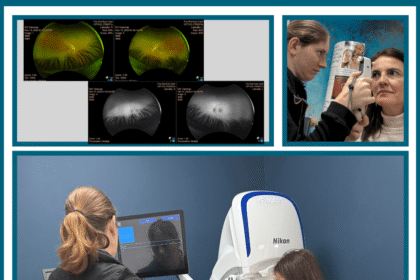

Women’s heart health faces specific challenges throughout their lives, and these events can affect cardiovascular function. While you manage existing issues, you must monitor changes. You need factual information regarding your health. Specific diseases directly affect women, while altering cardiac performance over time.
Factors in Reproductive Health
Polycystic ovary syndrome and autoimmune disorders may impact cardiovascular health. If you develop gestational diabetes, providers will watch you closely. Preeclampsia and gestational hypertension can complicate pregnancies. When you reach menopause, hormone replacement therapy needs careful review, and physicians guide this choice. Past pregnancy complications are worth sharing, as they inform screening schedules. Your medical team tracks these specific history points. These reproductive factors change over time, so update your health record regularly to maintain accuracy. Discuss your full reproductive and medical history with your provider to improve screening accuracy. Reach out if you experience new or worsening symptoms, especially around hormonal changes or following pregnancy. Clear communication with your care team builds a detailed health profile, and it allows a tailored approach. By keeping your medical records current, your provider recommends the best screenings and support for you.
Indicators of Cardiac Trouble
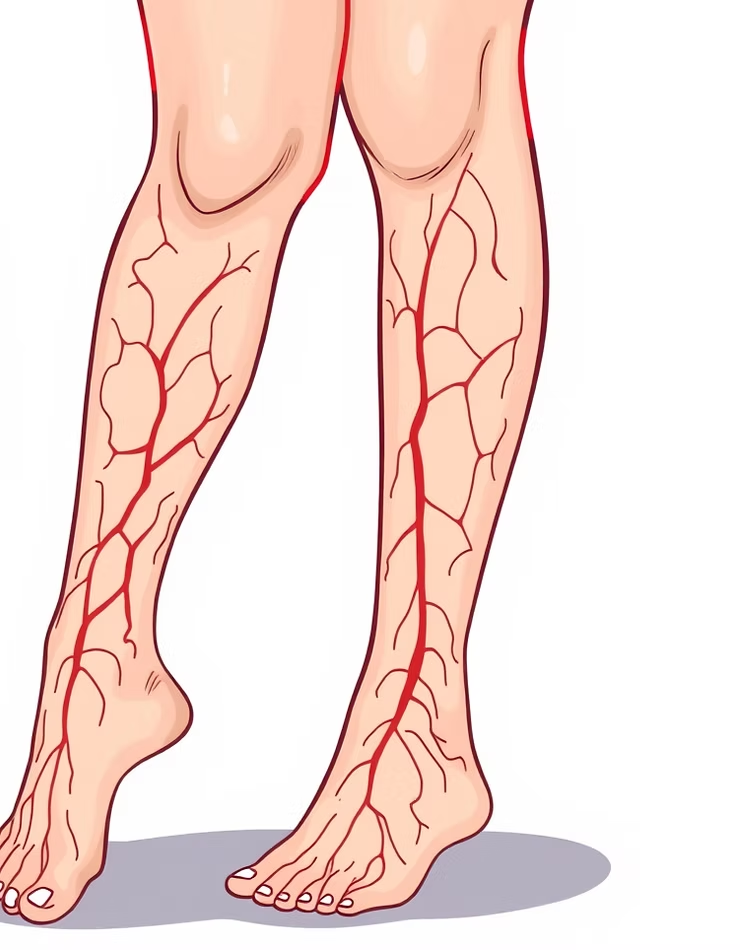
Recognizing specific warning signs supports timely medical review and appropriate care. Chest pain requires immediate attention, and severe fatigue warrants a prompt clinical review. Reduced heart function may cause shortness of breath, and dizziness sometimes follows. Some patients experience frequent heart palpitations. Swollen legs indicate fluid retention, and leg pain when you walk can suggest circulatory issues. Report these symptoms to your provider. Changes from your usual baseline, such as increased dizziness or new swelling, are worth noting and sharing with your provider. If you notice unusual fatigue, share this with your women’s heart health team. Symptoms are not always obvious, so make note of small changes as well as larger ones. Physical limitations reduce daily function. Keeping a symptom log helps you and your provider recognize patterns and plan next steps.
Strategies for Preventive Care
Doctors often test for high blood pressure, and they monitor cholesterol. A family history of heart attacks or stroke signals a need for prevention. If you have familial hypercholesterolemia, LDL levels may stay high. Prediabetes and diabetes make dietary changes necessary, and weight management can reduce pressure on the heart. An unhealthy diet undermines blood vessel health, so reviewing nutrition and exercise is beneficial. Being overweight or obese increases cardiac workload. Cigarette smoke damages the arteries, and quitting is recommended by many providers.
Evaluate your daily physical activity. Some people do not get enough exercise, which affects endurance. Take regular walks, join a light exercise group, or ask your provider for safe activities. Even if exercise is difficult, small, consistent efforts make a difference over time. Monitor your dietary choices, and aim to limit high-salt and high-fat foods. Nutrition counseling supports sustainable changes, and your provider can help you find resources. If you are unsure whether your symptoms indicate risk or want an evaluation, seek a preventive consultation. If you need intervention, these services are available and support recovery after procedures.
Discuss Women’s Heart Health Today
Discuss these risk factors with your healthcare provider. Consistent monitoring prevents further decline, and medical professionals provide the necessary diagnostic tools. When you notice new symptoms, act quickly. Review your family history. Record your physical symptoms accurately, and share this log during your next appointment.