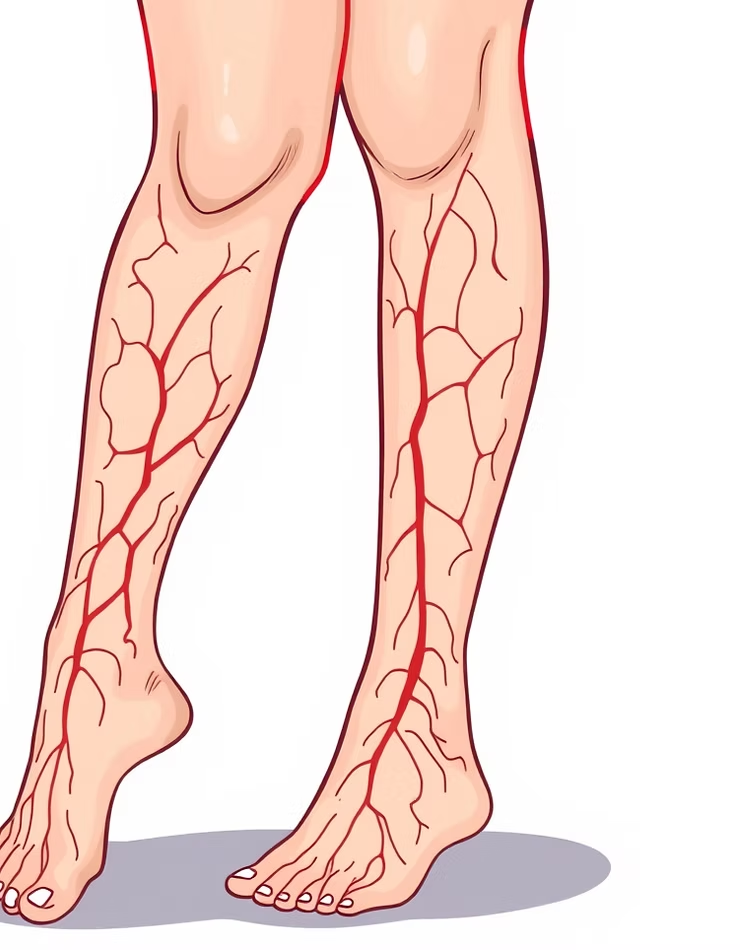

Varicose veins can cause leg discomfort, swelling, heaviness, and visible changes that worsen with prolonged standing or inactivity. While medical treatment is often necessary, everyday habits can also support healthy circulation and reduce symptoms. Here is a closer look at lifestyle changes to alleviate varicose veins:
Improving Daily Movement
Movement keeps blood flowing through your legs, and regular activity reduces the pressure that builds up in your veins. Walking is one of the simplest options, but swimming and cycling also work the calf muscles that push blood upward. The following habits help you stay active throughout the day and may alleviate the symptoms of varicose veins:
- Take a walk: Brief and regular walks keep your calf muscles working and prevent blood from pooling.
- Flex your ankles: Pointing and lifting your toes pumps blood upward when you cannot leave your desk.
- Stretch your legs: Gentle stretches warm the muscles and prepare your legs for the day.
Maintaining these simple habits can significantly improve your circulation and contribute to your overall well-being over time.
Supporting Healthy Leg Positioning
How you position your legs affects how easily blood travels back toward your heart. Elevating your legs above heart level reduces pressure in the veins; this position uses gravity to assist circulation. People should raise their legs on a pillow for short periods after a long day; they may also lie flat and prop their feet against a wall. Crossing your legs for extended periods can restrict blood flow, so sitting with both feet flat on the floor is a helpful alternative. Posture matters too; sitting upright rather than slouching gives your veins more room to move blood efficiently.
Making Healthy Lifestyle Choices
Your broader lifestyle also influences the health of your veins. Maintaining a steady weight reduces the load your legs carry, while a fiber-rich diet supports healthy digestion and lowers pressure in the lower body. Here are key habits that can support your veins:
- Reduce salt intake: Lowering sodium intake can help limit fluid retention and swelling in the legs.
- Add fiber to meals: Whole grains, fruits, and vegetables support digestion and ease pressure on the veins.
- Limit long and hot baths. Excessive heat may widen veins, so moderate water temperatures are a helpful choice.
Incorporating these practical changes into your routine can help you promote better vein health and reduce the risk of complications over time.
Choosing Supportive Clothing
What you wear influences how freely blood moves through your legs. Tight clothing around the waist, groin, or thighs may restrict circulation, so loose garments give your veins more freedom. Compression stockings are a common option that applies gentle pressure to the legs, and people can wear them to encourage upward blood flow during the day.
Footwear also matters because the right shoes support the muscles that drive circulation. High heels limit the natural movement of your calf muscles, while flat, supportive shoes let those muscles work fully with each step. When you choose comfortable footwear, you make sure your legs move the way they are designed to.
Schedule Your Varicose Veins Appointment
To maintain healthy legs and reduce the risk and symptoms of varicose veins, it is fundamental to adopt some strategies. Regular movement supports proper circulation, and wearing appropriate footwear and clothing provides extra support to your legs during daily activities. Integrating these practices into your routine can help you promote better leg health and comfort. Contact a qualified cardiologist to schedule your appointment for varicose veins today.