

Hip replacement is a surgical procedure used to address joint damage that affects movement and daily function. It may be discussed when ongoing hip problems begin to limit routine tasks; this includes standing, climbing stairs, or getting in and out of a chair. Here’s information about the impact of hip replacement surgery on quality of life:
Improving Daily Function
Daily function is a key part of quality of life, and hip joint problems may interfere with basic movement throughout the day. Some people have trouble walking longer distances. Others notice limits when bending, standing up, or shifting weight from one side to the other. These restrictions can affect various aspects of daily life, including work tasks and transportation routines.
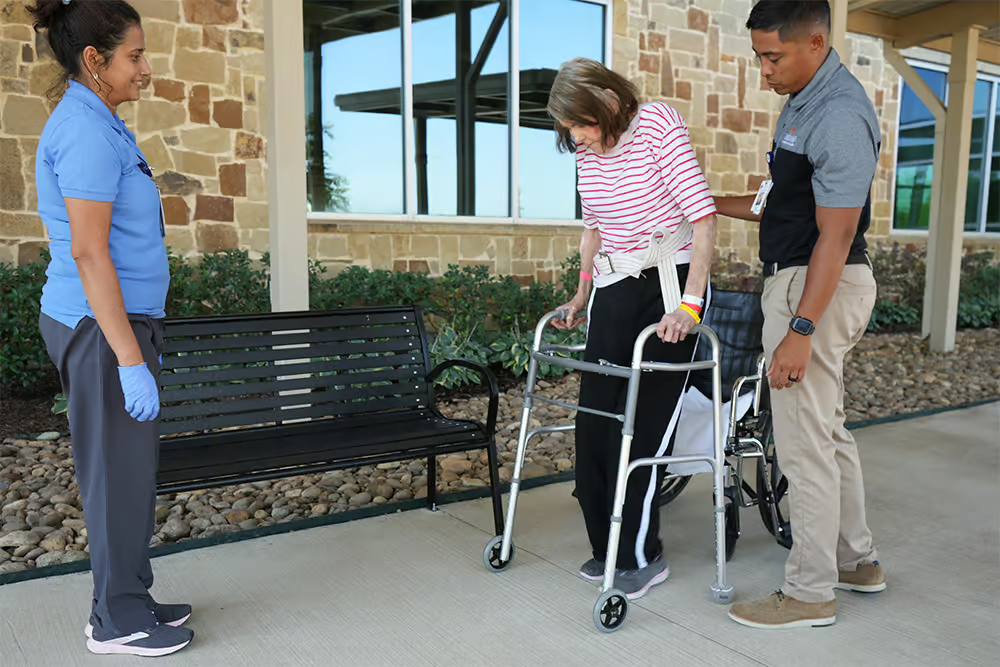
After hip replacement, movement goals usually focus on practical tasks. Patients may work on walking with better support or moving through the home with increased efficiency. These changes do not occur all at once, but they remain a fundamental part of the broader discussion about function after surgery. Reliable movement also supports independence. A person who manages stairs, chairs, and short walks more efficiently may handle more daily responsibilities with less interruption.
Returning to Activity
Physical activity plays a direct role in daily life, and hip limitations have the potential to reduce participation in exercise and errands. When movement becomes restricted, people may scale back regular tasks. Structured treatment creates a path for gradual re-entry into selected activities. An orthopedic team outlines the next steps during follow-up care. A measured return to activity may include:
- Walking as directed during recovery
- Completing structured physical therapy sessions
- Engaging in low-impact exercise after provider clearance
- Paying attention to posture and movement form
- Making gradual increases in daily activity levels
This process takes time; sudden changes in workload may complicate progress. Steady advancement supports more consistent movement patterns. A practical approach also helps patients understand what belongs in the current phase of care and what should come later.
Supporting Recovery Progress
Rehabilitation is a significant part of how hip replacement affects quality of life. The operation is one stage of treatment, but the following weeks and months shape how the new joint functions during daily movement. Physical therapy, home exercises, walking practice, and office visits all contribute to this stage of care. During follow-up visits, providers may also track movement goals and functional tasks; this helps keep recovery organized.
Maintaining Long-Term Habits
Daily habits continue to matter after formal rehabilitation ends. Patients may need to maintain strength, use sound body mechanics, and choose activities that fit long-term joint care. These habits support routine movement, and they also help shape how the hip functions over time.
Long-term planning can involve footwear choices, regular exercise, and attention to posture during work or household activity. Some people also review which types of recreation best match their orthopedic goals; this review is helpful for protecting daily function. The goal is to support movement in a realistic, manageable way.
Learn More About Hip Replacements
Quality of life after a hip replacement is influenced by physical therapy participation, activity level, overall health, and adherence to post-operative guidance. As healing progresses, patients may experience improved mobility and reduced joint pain during daily activities. If hip problems are affecting your routine, schedule an appointment with an orthopedic specialist; they’ll help determine whether hip replacement is a suitable option for your needs.