

Shoulder injuries are frequently caused by athletic activities. These injuries can severely limit movement, so patients benefit from seeking specialized medical treatments to restore full function. A targeted approach addresses these physical setbacks, and clinical interventions facilitate an effective recovery. Here is more information on arthroscopic rotator cuff repair in sports medicine:
What Is Sports Medicine?
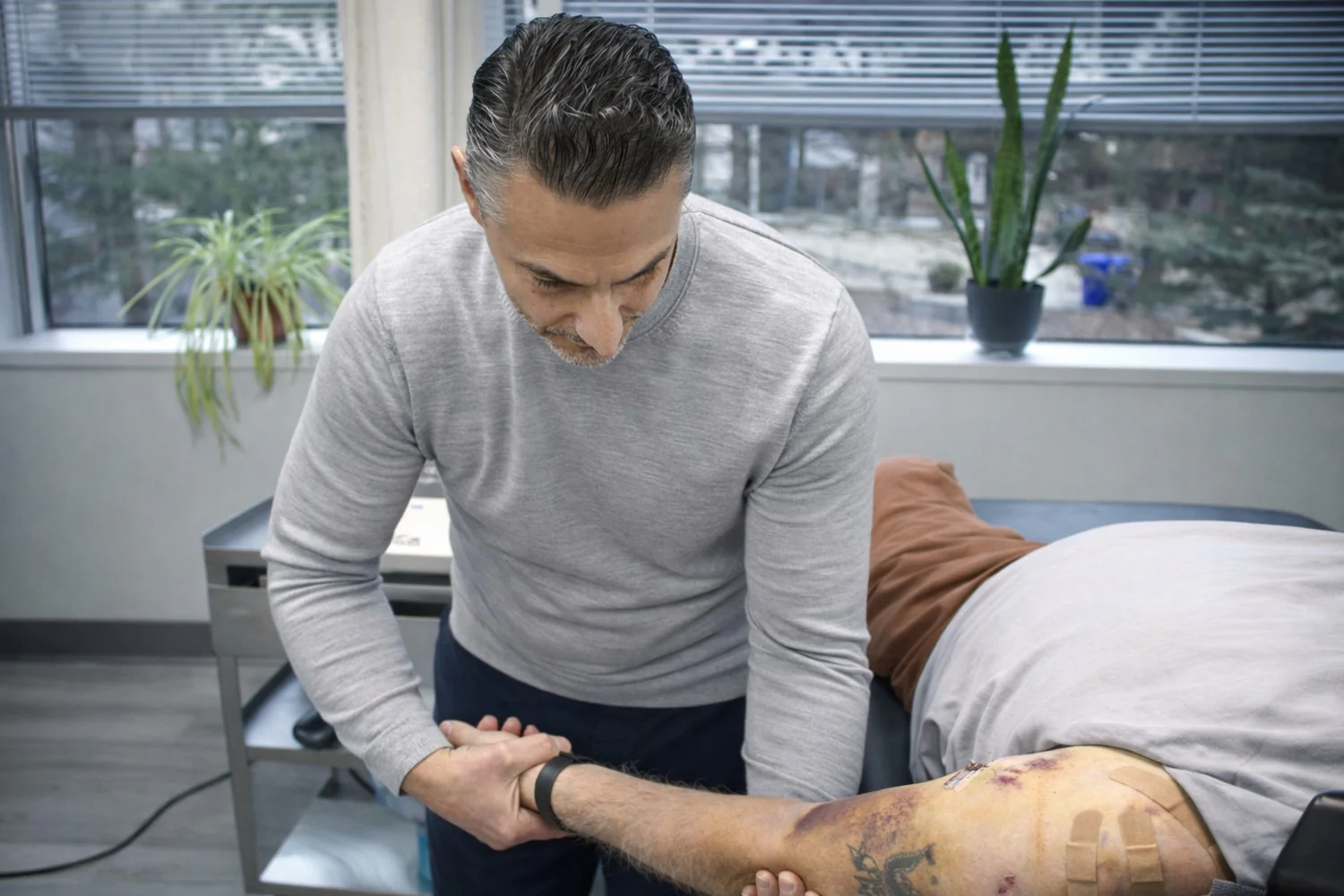
Sports medicine is a medical specialty focused on physical fitness and the treatment of sports- and exercise-related injuries. When athletes sustain severe shoulder damage, practitioners in this field may utilize arthroscopic rotator cuff repair. This specialty encompasses injury prevention, and it involves targeted rehabilitation protocols to improve athletic performance. Practitioners address both acute traumas and chronic overuse issues across various age groups.
What Is Arthroscopic Rotator Cuff Repair?
Arthroscopic rotator cuff repair is a minimally invasive surgical procedure designed to fix torn tendons in the shoulder. Surgeons insert a small camera called an arthroscope into the joint. This allows them to view the internal structures on a monitor. The medical team uses specialized miniature instruments, and they reattach the damaged tendon directly to the bone. This technique contrasts with traditional open surgery, which requires larger incisions to access the joint.
Why Is It Conducted?
Medical professionals perform this surgery to relieve shoulder pain, and it helps restore a full range of motion. Nonsurgical treatments sometimes fail to resolve the underlying tissue damage. When these conservative methods prove ineffective, surgery becomes a primary option to reattach the torn tendon to the bone.
Patients may experience arm weakness, which limits their ability to perform daily activities. A torn rotator cuff can cause significant discomfort during rest or sleep. Reattaching the tendon stabilizes the joint, and this may allow individuals to resume their athletic pursuits or regular physical routines.
What Does the Process Involve?
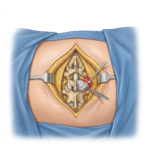
The process begins with administering anesthesia to keep the patient comfortable throughout the surgery. After the anesthesia takes effect, the surgeon makes a few small incisions around the affected shoulder joint. Fluid may be injected into the space to expand the joint, and this provides the surgical team with a clear view. These small portals serve as entry points for the camera and surgical instruments.
Once the arthroscope is in place, the surgeon assesses the extent of the tendon tear. Bone spurs or inflamed tissues are carefully removed from the surgical site. Suture anchors are placed into the bone, and the surgeon may use attached threads to secure the torn tendon in its correct anatomical position. The incisions are then closed.
What Are the Benefits?
This surgical approach offers several distinct advantages for patients seeking recovery from shoulder injuries. It uses small incisions, resulting in less tissue trauma. Patients potentially experience reduced postoperative pain, and they may encounter fewer complications during their healing phase. Additional advantages may include:
- Shorter hospital stays
- Smaller surgical scars
- Faster rehabilitation timelines
Consult a Sports Medicine Specialist
Minimally invasive rotator cuff repair offers a precise approach to treating severe shoulder tendon tears in athletes. By utilizing minimally invasive techniques, this procedure helps patients regain their range of motion efficiently. Appropriate medical guidance facilitates a safe return to physical activity. Schedule an evaluation with a sports medicine specialist today and begin your structured plan for shoulder recovery.