

Robotic spine surgery combines advanced mechanical arms with imaging software to assist surgeons during complex spinal procedures. The technology provides precise guidance for implant placement, and it allows for smaller surgical incisions. Since the system minimizes tissue damage, patients may experience a more straightforward recovery period. Here is more information on what to expect from the process:
What Is Robotic Spine Surgery?
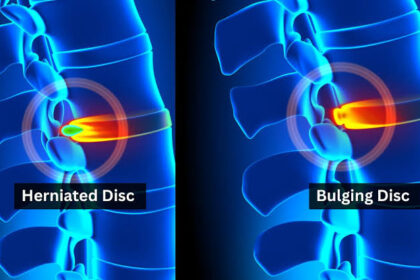
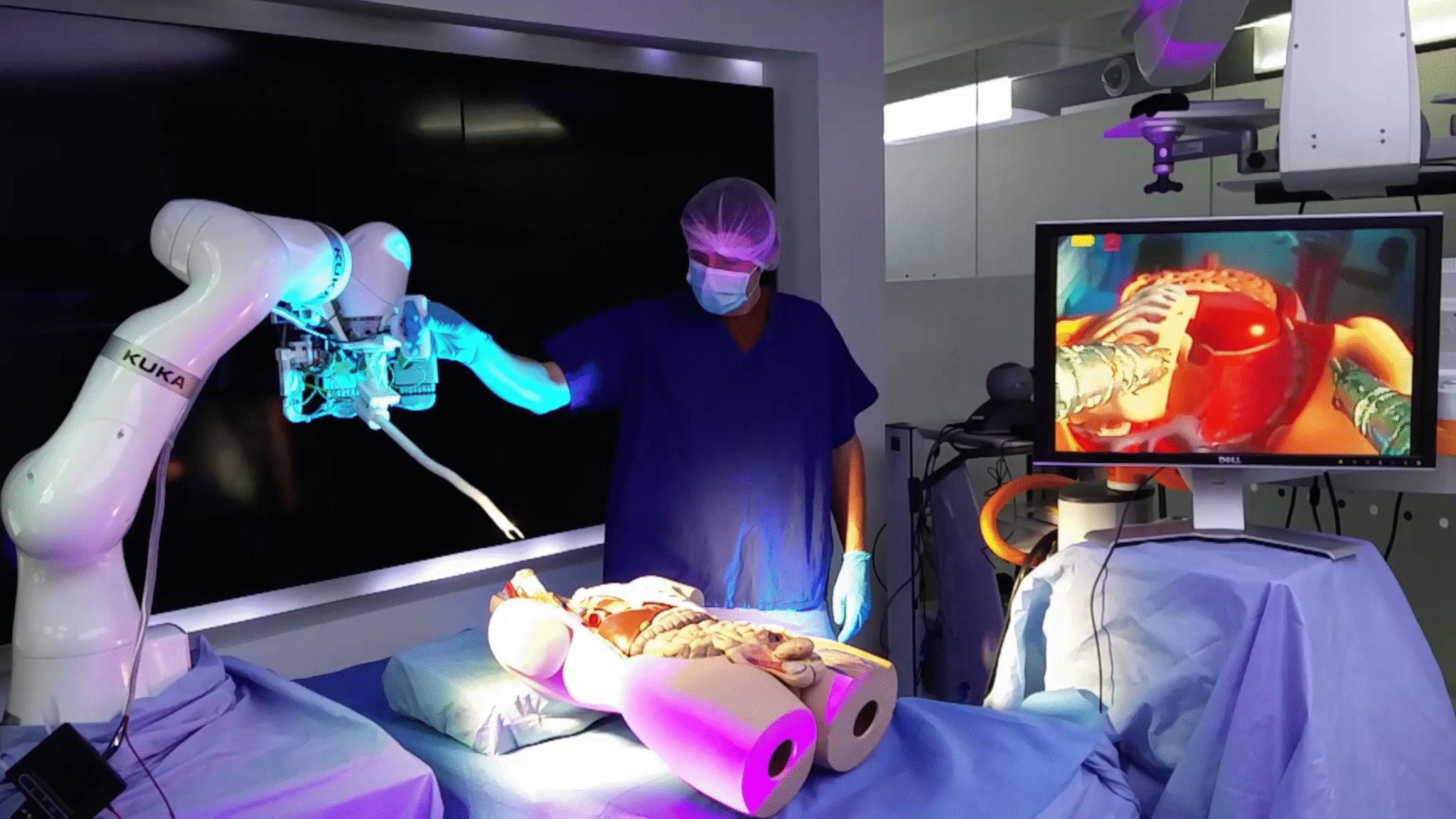
Robotic spine surgery is a minimally invasive medical procedure that utilizes a specialized robotic arm and advanced navigation software. The system serves as a sophisticated tool for the operating physician, and it does not perform surgery independently. Surgeons rely on this technology because it provides enhanced visualization of the spinal column during the operation. This surgical method addresses conditions like herniated discs or spinal stenosis with exact mechanical calculations.
How Does It Work?
The procedure begins with detailed imaging scans of the patient’s spine. Medical professionals upload these scans to the robotic system’s computer, and the software generates a precise surgical trajectory. When the operation begins, the robotic arm guides the surgeon’s instruments along the pre-planned path. The technology continuously monitors the patient’s anatomy throughout the procedure, allowing the surgeon to maintain precise positioning.
Why Is It Conducted?
Spinal anatomy features intricate nerve networks, so surgeons require extreme precision to avoid neurological damage. Traditional surgery requires larger incisions for adequate visibility, but robotic guidance can operate effectively through tiny incisions. This approach minimizes disruption to surrounding muscle tissue.
If a patient requires spinal fusion or hardware placement, the robotic system may reduce the risk of misplaced screws. Medical facilities use this technology to treat conditions such as scoliosis or degenerative disc disease. The computer calculates the safest path for the instruments, and the surgeon follows this customized plan.
What Does the Process Entail?
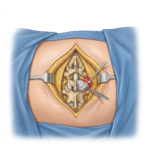
Before the operation, patients undergo a thorough medical evaluation that may include computed tomography scans of the affected spinal region. On the day of the procedure, the anesthesiologist administers general anesthesia, and the surgical team positions the patient securely on the operating table. The surgeon may attach a specialized marker to the patient’s spine to synchronize the physical anatomy with the computer’s imaging model. Once the software aligns the coordinates, the physician executes the operation through small incisions guided by the robotic arm.
The surgical team conducts a final imaging scan to verify the exact positioning after the placement of the medical hardware. The medical professional then closes the small incisions, and they apply sterile dressings to the wound sites. Patients move to a designated recovery area for clinical observation. Since the procedure involves minimal tissue disruption, the initial post-operative monitoring phase may last a few hours.
What Is Recovery Like?
While individual healing times vary, patients may experience shorter hospital stays after minimally invasive procedures. The smaller incisions may lead to reduced blood loss and less postoperative pain. The doctor schedules follow-up appointments to monitor the fusion process, and patients should avoid heavy lifting during this time. As the bones heal around the new hardware, the surgical team provides specific rehabilitation guidelines to promote recovery.
Know What To Expect
Understanding the mechanics and protocols of robotic spine surgery helps individuals approach their medical care. The integration of advanced imaging and mechanical guidance provides surgeons with accuracy, and patients benefit from this technological precision. If you require spinal intervention, schedule a consultation with a qualified orthopedic spine surgeon to discuss your candidacy for this procedure.