
Bipolar disorder often involves changes in mood, energy, sleep, and activity. While treatment usually includes more than one approach, each part serves a different purpose. TMS therapy may be used in some cases, but your clinician will review your symptoms, history, and current treatment plan before recommending it.
TMS Treatment Overview
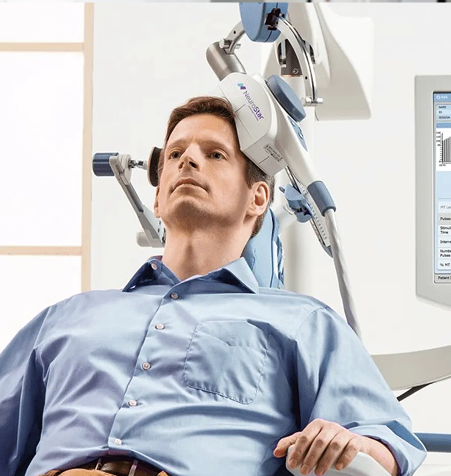
TMS therapy, or transcranial magnetic stimulation, is a noninvasive treatment. It uses magnetic pulses to stimulate specific brain areas, and it does not require surgery or sedation. This review helps identify if TMS fits your care plan, and it helps your provider plan safe monitoring. You will usually have an evaluation first. During that visit, you can ask how sessions work, what schedule to expect, and how progress is tracked. Some people notice tapping on the scalp. Others notice mild discomfort at first, but providers will adjust settings if needed. It is useful to keep tracking sleep, mood, and energy during treatment. If patterns change between visits, your care team can review them and respond quickly. TMS works best as part of coordinated care. Your provider will stay in contact with your therapist and prescribing clinician, so your plan remains consistent.
Medication Options Overview
Medications are a common part of bipolar disorder treatment, so discuss them with your provider. They can help manage mood episodes, and they are often used with therapy or other supports. Because each person responds differently, your clinician will adjust the type, dose, or timing to find a better fit. Some need regular follow-up visits. While these visits help track side effects and symptom changes, they also help your clinician make safe adjustments.
If one medication does not help enough, your clinician may review another option or combine treatments. It is helpful to take medication as prescribed. If you stop suddenly or change the dose on your own, symptoms may return. Keeping a daily record can help. Track sleep, mood, energy, and medication use, so your clinician can better understand patterns. Mood stabilizers are often used to help manage shifts in mood.
Psychotherapy Support Strategies
Psychotherapy helps you build skills for daily management. It can support medication treatment, and it helps you track patterns that affect your mood. If you attend therapy regularly, you can learn practical tools that support routines, communication, and problem-solving. Other strategies include:
- CBT: Builds practical responses to changes in sleep, stress, and activity.
- Psychoeducation: Explains symptoms, triggers, treatment choices, and early warning signs.
- Family-focused therapy: Supports clearer communication and better understanding of the treatment plan at home.
- Interpersonal and social rhythm therapy: Helps you keep steady routines for sleep, meals, work, exercise, and relationships.
Therapy may also help you prepare for appointments, track progress, and ask clearer questions about your care. TMS may be used in conjunction with talk therapy, so discuss your treatments with both providers. Since each plan is different, voice your opinion on changes you may need.
Discuss TMS Therapy Today
A treatment plan for bipolar disorder should match your symptoms, history, and goals. Medications, psychotherapy, and TMS have different roles, but they may work best together in a structured plan. If your symptoms are changing or treatment is not enough, a clinical review can help guide the next step. Talk with a qualified mental health professional about your options. Ask how medications, therapy, and TMS may fit your plan, and bring a record of symptoms, sleep, and responses. Since clear information supports better decisions, regular follow-up helps your care stay aligned with your needs.