
Regular visits to a podiatrist give you a structured way to review common foot concerns and track changes over time. A podiatrist examines the skin, nails, toes, and heel area; they then discuss practical steps based on the findings. These visits may focus on concerns ranging from toenail fungus and warts to bunions and heel pain. Here are several benefits of scheduling regular visits with a podiatrist:
Monitoring Your Nails And Skin
Toenail fungus and warts require careful visual review. During an appointment, your podiatrist looks at nail texture, nail color, skin thickness, and any raised areas on the foot. These observations provide helpful details for comparing current findings with future visits. For toenail fungus concerns, the podiatrist often reviews nail trimming habits and basic hygiene routines. When evaluating warts, the doctor may focus on the size, location, and surrounding skin. This approach helps identify changes over time, and it supports decisions about appropriate treatment and follow-up care.
Managing Ingrown Toenail Concerns
Ingrown toenails develop when the nail edge presses into nearby skin; a podiatrist reviews the nail shape, the surrounding tissue, and any signs of irritation. Regular visits allow the provider to compare changes in the nail edge and discuss nail care habits. Your podiatrist may explain how trimming technique, shoe pressure, and nail shape affect the area. Straightforward guidance is key, as small changes in daily care influence how the nail grows. If the issue returns, follow-up visits give the provider more information for future planning and treatment discussions.
Professional solutions can involve:
- Careful trimming or removal of the affected nail edge
- Cleaning and evaluation of the irritated surrounding skin
- Temporary protective padding or splinting methods
- Partial nail procedures for recurring ingrown toenails
- Follow-up monitoring to assess healing and nail regrowth
Tracking Bunion Structure Changes
A bunion forms as the big toe joint shifts out of its normal alignment, resulting in a visible bump. This protrusion may change gradually over time, so regular evaluations provide key measurements for comparison. Podiatrists assess toe position, joint movement, shoe fit, and areas of friction or pressure.
Footwear also plays a significant role in bunion management discussions. Narrow toe boxes sometimes place added pressure on the joint; wider shoes provide more space for the toes. Providers may include padding, orthotics, or activity modifications as part of a conservative care approach. These recommendations depend on your examination findings and daily foot demands.
Reviewing Heel Pain Patterns
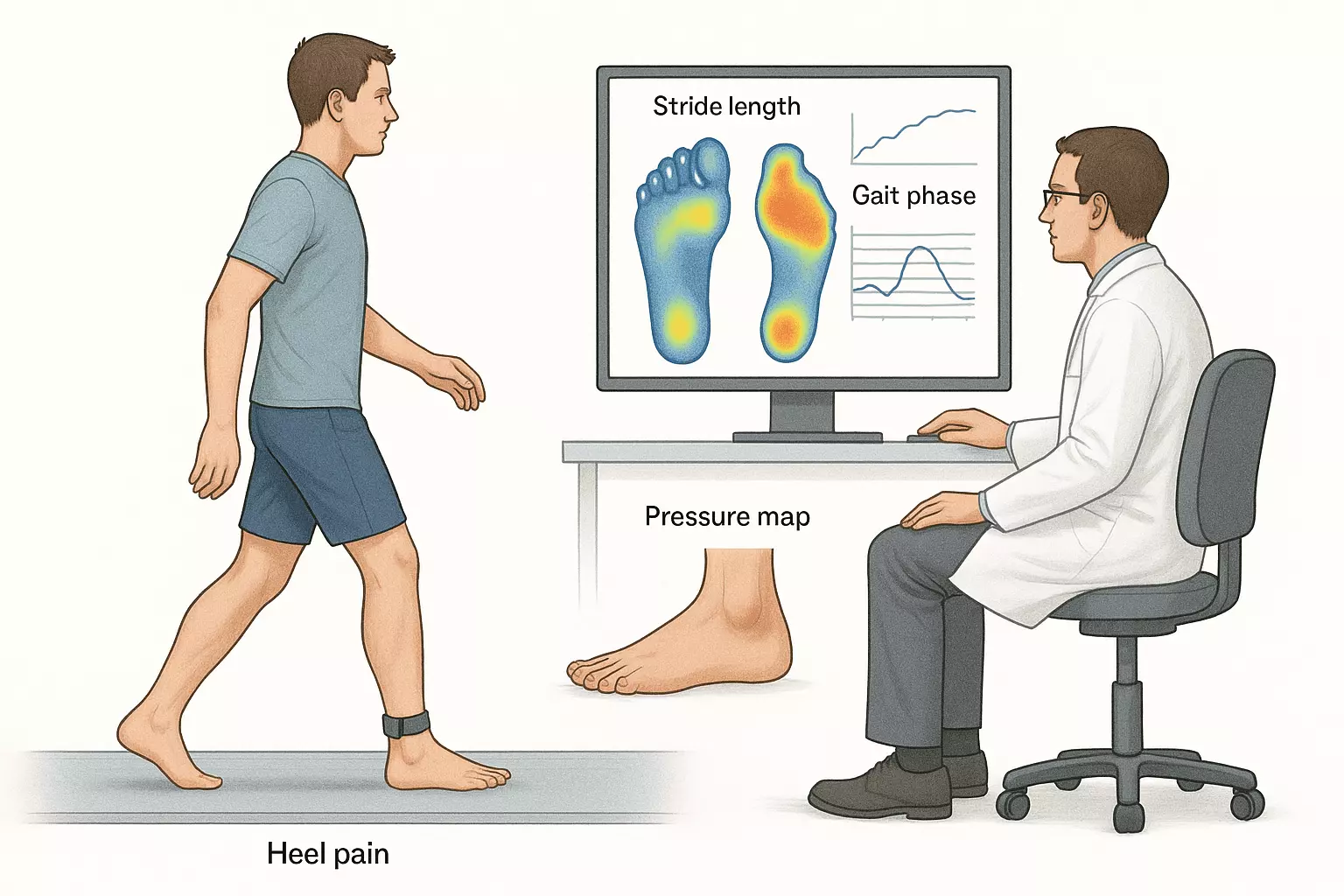
Heel pain appointments may begin with a focused review of where the discomfort occurs and when it appears during the day. The podiatrist examines the bottom of the heel and the arch area. They may ask about walking surfaces, footwear, and activity changes; this information helps create a clear picture of the physical pattern. Some providers also discuss stretching routines, shoe support, heel cushioning, or activity adjustments.
Find a Qualified Podiatrist
Regular podiatry visits provide a clear process for reviewing toenail issues, warts, bunions, and heel pain. Foot doctors also treat neuromas; these are nerve-related conditions that may cause burning or tingling sensations. With steady monitoring, your provider can help you understand changes and plan next steps based on current findings. If you have ongoing foot concerns, contact a podiatry clinic today to schedule an evaluation.