
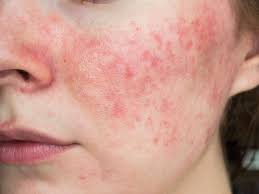

Rosacea is a long-term skin condition that often affects the face. Its signs can include redness, visible blood vessels, bumps, and skin irritation. A dermatologist helps identify rosacea, and they guide treatment. If you have ongoing facial symptoms, a specialist can help clarify the cause and plan next steps.
Rosacea Diagnosis Process
Diagnosis starts with a close review of your skin, and a dermatologist examines redness, bumps, visible vessels, and areas of irritation. They look at where symptoms appear, and they note how often flares happen. If your skin changes over time, that pattern helps guide the diagnosis. The exam also helps rule out similar skin conditions. They also ask about your symptoms and medical history. You should describe burning, itching, flushing, dryness, and any bumps or pimples you notice. Share when symptoms started, and share whether they stay mild or worsen. Mention products, weather, heat, exercise, or foods that seem to trigger changes. If you tried over-the-counter products or prescription treatments, tell the dermatologist what you used. This information helps the dermatologist choose the next steps.
Medication and Treatment Options
Medicines are used when rosacea causes bumps, pimples, or ongoing redness. A dermatologist chooses treatment based on your symptoms, medical history, and skin response, and the plan may include one medicine or a combination. Plans are individualized. Options may include:
- Topical medicines used for mild symptoms.
- Oral medicines used when symptoms are more widespread.
- Treatment choice depending on symptom type, flare pattern, and how your skin responds.
Your dermatologist will adjust treatment over time because rosacea can change. Symptoms sometimes improve for a period but can return when triggers or skin sensitivity change. During follow-up visits, the dermatologist reviews how often flares happen and whether your current medicine is still helping. This review helps them see patterns, and they decide whether your plan still fits. If one medicine does not fit your needs, another option may better match your symptoms. In some cases, the dermatologist may change the dose, adjust how often you use a topical treatment, or combine topical and oral medicines. If a medicine irritates your skin, they can update the plan. Treatment stays practical and appropriate.
Procedure for Advanced Rosacea
Laser treatment may help when flushing leaves lasting changes, making blood vessels easier to see. A dermatologist reviews the redness pattern, visible vessel locations, and your treatment history before recommending the procedure. They also discuss your skin sensitivity. It does not treat every symptom, but it may help when blood vessels remain visible on the cheeks, nose, or chin. Some people still have redness after the medicine, so laser treatment may be used.
A dermatologist reviews which symptoms are present, and they discuss whether medicines have given enough control. They also examine the size and location of visible vessels, as these details affect whether laser treatment is likely to help. If your rosacea is mostly bumps, pimples, or irritation without visible vessels, another treatment may fit better. The dermatologist discusses your skin findings and treatment history.
Book a Dermatologist Today
A dermatologist plays a practical role in managing rosacea. They diagnose the condition, and use procedures when symptoms require added treatment. If you have persistent redness, bumps, or visible vessels, schedule a dermatology visit. A focused exam helps define your symptoms, and it can identify suitable treatment options.