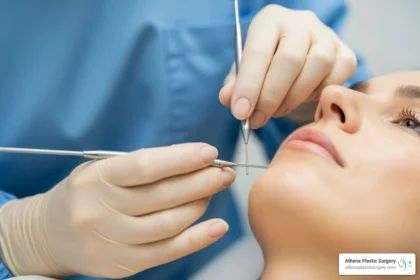

Keeping your skin healthy requires regular observation and scheduled medical appointments. A first visit with a dermatologist establishes a starting diagnosis. Later visits track progress and guide any needed changes to your daily routine. Regular tracking allows medical professionals to spot small physical changes over time, leading to quick medical action. By keeping a set schedule of visits, individuals receive customized support tailored to their changing physical needs.
What Is a Dermatology?
Dermatology is a specialized branch of medicine dedicated to the diagnosis, treatment, and ongoing management of conditions affecting the skin, hair, and nails. The skin acts as the body’s largest organ and serves as a protective barrier against environmental elements and infectious germs. A dermatologist completes educational and clinical training to understand complex skin diseases.
A dermatology practice combines clinical testing and targeted treatments to address both surface issues and deep physical conditions. Practitioners analyze cell structures and immune responses to identify the root causes of physical symptoms. Dermatologists can conduct routine physical examinations and execute advanced surgical procedures. By bridging the gap between general medicine and focused topical care, the field provides comprehensive solutions for patients across all demographics.
What Does It Address?
Medical professionals in this specialty diagnose and manage a broad spectrum of acute and chronic conditions. They may address acne, ranging from mild surface breakouts to severe cystic formations. These specialists also evaluate various forms of hair loss; this can stem from genetic factors, hormonal shifts, or immune system irregularities.
Patients may seek care for inflammatory diseases, such as psoriasis and eczema. Psoriasis typically presents as thick, scaly patches, and eczema involves compromised skin barriers leading to irritation. Dermatologists also manage autoimmune diseases that manifest physically, including lupus. These systemic conditions require specialized oversight to minimize long-term tissue damage.
Other treated conditions include rosacea, a disorder characterized by facial redness, and hyperpigmentation issues. Medical providers also intervene to manage persistent skin infections and warts. By accurately identifying these varied ailments, practitioners formulate targeted strategies and help alleviate patients’ physical symptoms.
What Does Care Involve?
Dermatology clinics offer an array of diagnostic and therapeutic services tailored to individual patient profiles. During an initial evaluation, a practitioner conducts a thorough physical examination. If a diagnosis remains unclear, they may perform a skin biopsy and extract a small tissue sample for laboratory analysis. Some practices also administer comprehensive allergy testing evaluations to pinpoint environmental or dietary triggers worsening the patient’s condition.
A formal diagnosis is established, and providers can then deploy a range of treatment modalities. Therapeutic options may include prescription topical formulations designed to reduce localized inflammation. For more systemic issues, doctors prescribe oral medications, including antibiotics or internal therapies targeting the root cause of the disorder.
In-office procedures form another component of dermatological services. Practitioners utilize cryotherapy to safely freeze and remove warts. They also administer targeted injectable therapies to deliver medication directly into affected tissues, which proves useful for specific types of hair loss and severe acne. Practitioners may provide structured guidance on daily skincare routines and help patients navigate lifestyle adjustments.
Follow Up With Your Dermatologist
Returning to the clinic for scheduled evaluations allows medical professionals to assess the efficacy of prescribed interventions. Doctors use these subsequent visits to adjust medication dosages and monitor for potential adverse reactions. These recurring appointments also serve as a preventative measure. Regular examinations give practitioners the opportunity to identify new anomalies or irregularities, long before they develop into severe complications.