

The sciatic nerve is the longest nerve in the human body, and it plays a fundamental role in lower-body function. It runs down the lower back, through the hips and buttocks, and down each leg. Sciatica refers to the physical symptoms that arise when this nerve becomes compressed or irritated. Here are several causes, symptoms, and treatments for this condition:
Identifying Possible Causes
Several structural changes in the lower spine contribute to compression of the sciatic nerve. One possible cause is a herniated disc. Intervertebral discs act as cushions between the vertebrae, and when a disc protrudes through its outer layer, it can place direct pressure on a nearby sciatic nerve root.
Another potential cause is spinal stenosis, a condition characterized by narrowing of the spinal canal. This narrowing reduces the space available for nerve roots to pass through, increasing the likelihood of compression in the lower back. Other structural abnormalities, such as cysts or tumors, may also compress or irritate the nerve. Localized masses or inflammation near the lower spine have the potential to interfere with normal nerve function; this contributes to sciatic symptoms.
Recognizing Key Symptoms
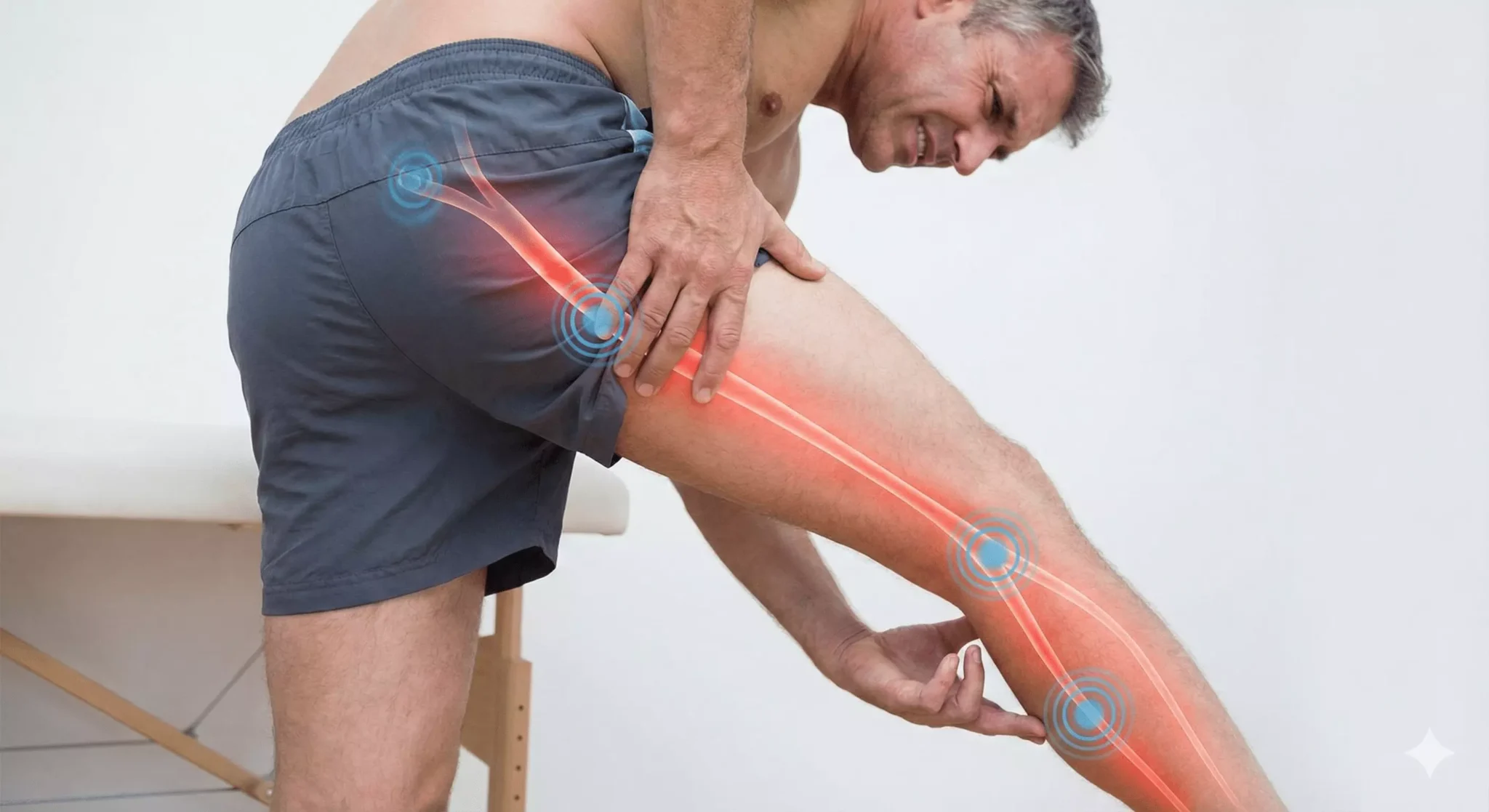
Sciatica typically affects one side of the lower body; the exact presentation depends on where along the nerve the compression occurs. The location and intensity of symptoms help healthcare providers narrow down the source and severity of the compression. Sciatica can cause these physical indicators:
- Radiating leg pain: Pain travels from the lower spine through the buttock and down the back of the leg.
- Numbness: A loss of sensation develops anywhere along the affected nerve pathway.
- Tingling: A “pins and needles” sensation appears in the toes or foot.
- Weakness: Muscular weakness in the leg or foot may alter a person’s gait or limit normal limb movement.
Exploring Non-Surgical Treatments
Before recommending a management approach, healthcare professionals assess the structural cause and severity of nerve compression. Treatments are tailored to each individual case. Rest modifications serve as a helpful starting point; brief activity adjustments can reduce strain on the compressed nerve.
Physical therapy builds flexibility and core strength, actively supporting the spine and relieving localized pressure. Prescribed or over-the-counter medications help address inflammation. For more targeted relief, corticosteroid injections administered near the nerve root work to reduce localized swelling directly at the source.
Addressing Surgical Options
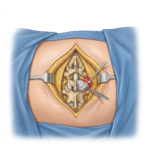
Surgery may be worth contemplating when nerve compression produces significant physical impairment or when non-surgical approaches do not produce meaningful changes. Surgeons are able to remove the specific structural element causing the problem, whether a portion of a herniated disc or a bone spur, to relieve pressure on the nerve. Not every case of sciatica requires surgical intervention; a qualified medical professional determines the most appropriate course of action based on clinical findings and diagnostic imaging.
Find Treatment for Sciatica
Sciatica stems from compression or irritation of the sciatic nerve, with herniated discs and spinal stenosis serving as possible underlying causes. Symptoms include radiating pain, numbness, tingling, and weakness along the lower body. Treatment options range from rest and physical therapy to injections and surgery, depending on the individual case. Sciatica also shares symptoms with other spinal and neurological conditions, so accurate diagnosis requires professional evaluation. If you are experiencing any of the symptoms described above, contact a qualified healthcare provider to discuss next steps.