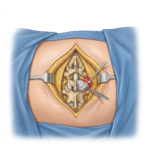



Back pain affects millions of adults each year, and it ranks among the most common reasons for surgery. After a spinal procedure, the body needs time to heal, and discomfort during this recovery period is expected. Pain may stem from the surgical incision, muscle tissue, or nerves near the operative site. Several methods exist to reduce that discomfort and support a steady recovery. Because surgery is intended to reduce back pain from an injury or disease, managing any discomfort after should be prioritized.
Ice and Heat
Ice and heat serve different purposes, and both play a role in early recovery after surgery. Cold therapy slows blood flow to the treated area, which reduces swelling and numbs sharp back pain. Ice works best in the first days after surgery. A cold pack can be applied for short intervals throughout the day to address acute pain.
Heat therapy follows a different pattern, and it becomes useful once initial swelling subsides. Warmth increases circulation to stiff muscles, and this can ease tension that builds around the spine. A warm compress or heating pad placed on the lower back offers gentle relief during later recovery stages. These two methods can be alternated for the patient to have the benefits of both.
Medication
Medication forms a central part of postoperative pain control, and a surgeon may prescribe specific drugs based on the procedure performed. Opioids may be given for short periods to manage severe pain, while milder options like acetaminophen address lower levels of discomfort. Nerve pain medications and muscle relaxants are sometimes added when other drugs alone do not control symptoms. If pain continues after recovery, a physician may recommend certain pain management protocols, including regular medication.
Physical Therapy
Physical therapy supports recovery through guided movement, and a therapist designs a plan that matches each stage of healing. Early sessions focus on gentle walking and basic stretches that keep joints mobile. Movement restores function gradually and allows the body to adjust to the changes made during surgery. These exercises reduce stiffness and lower the risk of complications that arise from prolonged rest.
A physical therapist also teaches proper body mechanics, and this knowledge helps protect the spine during daily tasks. Lifting, bending, and sitting all place stress on the back when done without care. Correct posture distributes weight evenly. Patients learn to move in ways that limit strain on the healing area while strength returns.
As recovery advances, the therapy plan often shifts toward strengthening exercises, and these target the muscles that stabilize the spine. Core and back muscles support the vertebrae, so building their strength can reduce future discomfort. A therapist often adjusts the routine based on how the body responds to each new level of activity.
Learn More About Back Pain
Pain after back surgery can be managed through a combination of methods, and doctors often combine them to relieve acute pain. Since pain often decreases throughout recovery, these methods are often altered as time goes on. Contact a back pain specialist to receive guidance on back pain and postoperative care.