
Cosmetic vein treatments address the visible appearance of superficial veins, such as spider veins and reticular veins; these appear on the legs, face, and other areas of the body. Practitioners use targeted techniques to reduce the visual presence of these vessels. Here’s information about enhancing your look with cosmetic vein treatments:
Recognizing Superficial Vein Types
Cosmetic treatments focus on veins visible just beneath the skin’s surface. Spider veins appear as small, branching networks of red, blue, or purple lines. Reticular veins are slightly larger; they appear as blue or green vessels and may feed into spider veins. Varicose veins are bulging veins that are often raised, twisted, or rope-like. They are a common issue, and they often develop in the legs due to increased venous pressure and valve dysfunction. A clinician evaluates the size, color, and location of targeted veins to determine which technique aligns with your physical presentation.
Exploring Sclerotherapy Techniques
Sclerotherapy is a widely used procedure for small to medium-sized superficial veins, primarily on the lower extremities. A cosmetic vein treatment practitioner uses a very fine needle to inject a specialized liquid or foam solution directly into the targeted vessel. The solution irritates the internal lining of the vein, and it causes the vessel walls to collapse and seal together.
Over weeks or months, the body naturally absorbs the treated tissue. This helps reduce the vein’s visibility on the skin’s surface. Outcomes vary based on individual physiological factors, and multiple sessions are sometimes needed to reach specific aesthetic goals.
Applying Laser Treatments
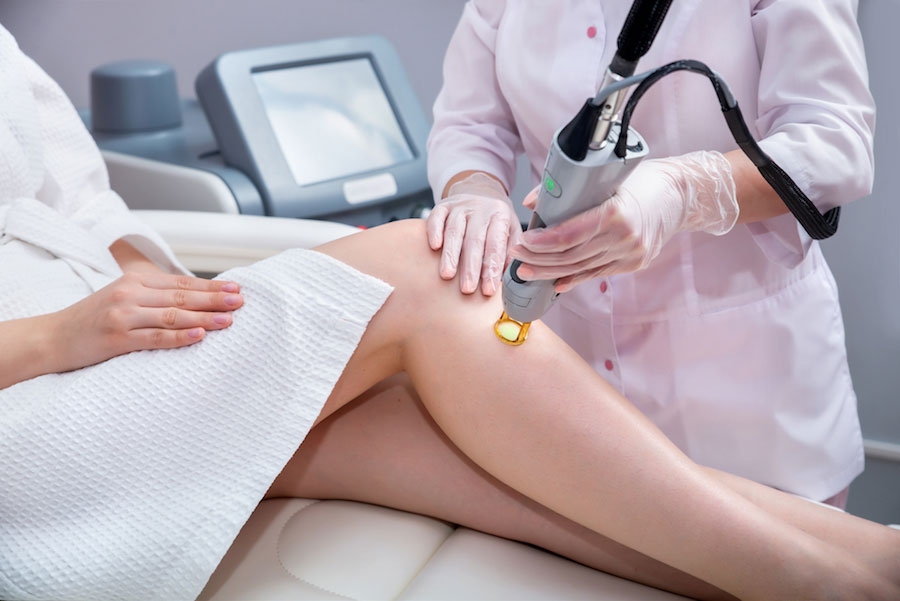
Endovenous laser treatment (EVLT) is a minimally invasive procedure used to treat larger varicose veins; it targets the underlying diseased vein from within. A clinician inserts a thin laser fiber into the affected vein, typically guided by ultrasound for precision. Laser energy is delivered along the vein wall, generating controlled heat that causes the vein to collapse and seal shut. Once closed, blood flow naturally redirects to healthier nearby veins, and the treated vein is gradually absorbed by the body. Follow-up appointments may be scheduled to monitor healing and confirm effective vein closure.
Navigating Consultation and Planning
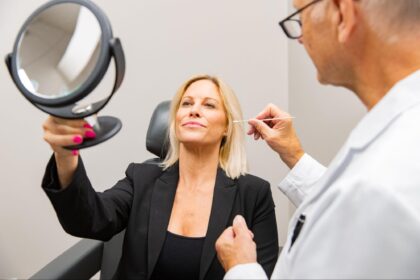
A thorough consultation is a fundamental first step before any cosmetic vein procedure. Individual anatomy varies significantly, so a practitioner should assess the physical characteristics of the veins before outlining a course of action. During this evaluation, the practitioner may examine vessel depth, diameter, and color alongside your natural skin tone. They review your medical history to rule out underlying structural issues requiring a different level of care. Using this information, the practitioner builds a customized plan, which may involve one technique or a strategic combination of approaches.
Following Aftercare and Recovery Steps
Adhering to practitioner guidance after any cosmetic vein procedure supports proper recovery and healing. Instructions vary by technique, but aftercare steps may include:
- Compression garments: After sclerotherapy, wearing graduated compression stockings for a set period applies helpful pressure to the treated area.
- Sun protection: Treated skin is highly sensitive to ultraviolet light, so strict sun avoidance and broad-spectrum sunscreen use are standard recommendations to prevent pigmentation changes.
- Activity modification: Strenuous exercise, heavy lifting, and high-heat environments such as saunas or hot tubs may be restricted for several days following treatment.
Explore Cosmetic Vein Treatments
Cosmetic vein treatments offer a range of techniques, from sclerotherapy to laser therapy, and they are designed to address the visible appearance of superficial veins. A thorough consultation, a structured treatment plan, and a disciplined aftercare routine are each key to navigating the process effectively. To explore which approach suits your specific presentation, schedule an assessment with a qualified aesthetic or vascular specialist today.