
A podiatrist specializes in diagnosing and treating conditions of the foot, ankle, and lower leg. They manage structural abnormalities and systemic diseases affecting the feet, and routine visits help patients understand their foot health over time. Whether you have an existing condition or no symptoms at all, appointments provide consistent medical oversight of a key body part. Here are some reasons regular visits to a podiatrist are key for foot care:
Detects Deformities Early
Structural deformities in the feet often develop gradually, and there’s little to no pain in the early stages. Bunions, hammertoes, and flat arches commonly go unnoticed. When discomfort arises, the deformity may already have advanced to a stage that limits treatment options.
During each visit, a podiatrist examines foot alignment, joint mobility, and soft tissue changes. These assessments track progression. If a bunion is identified at an early stage, non-surgical interventions, such as footwear modifications, are more likely to slow progression than interventions at a later stage. Early detection does not guarantee specific outcomes, but it expands the range of available options.
Skin and nail changes also fall within the podiatrist’s scope. Although unusual thickening of toenails, pressure lesions, or changes in skin texture develop gradually, they are documented and assessed against prior visits. This ongoing record creates a medical baseline unique to each patient, and it provides a point of comparison for future assessments.
Monitors Chronic Conditions
Some chronic health conditions produce measurable changes in the feet, and podiatrists are trained to identify and track these changes. Many patients with diabetes also experience peripheral neuropathy. Since it reduces sensation in the feet, patients may have difficulty detecting injuries, ulcers, or infections on their own. Regular podiatric assessments include checks for circulation quality and nerve response. These checks don’t replace other medical care, but they add a layer of monitoring that patients may not receive elsewhere.
Arthritis is another condition that manifests in the feet and ankles. As arthritis progresses, joint inflammation, cartilage wear, and gait changes are tracked through regular examinations. Changes over time inform decisions about footwear, and they also guide activity modification.
Provides Biomechanical Support
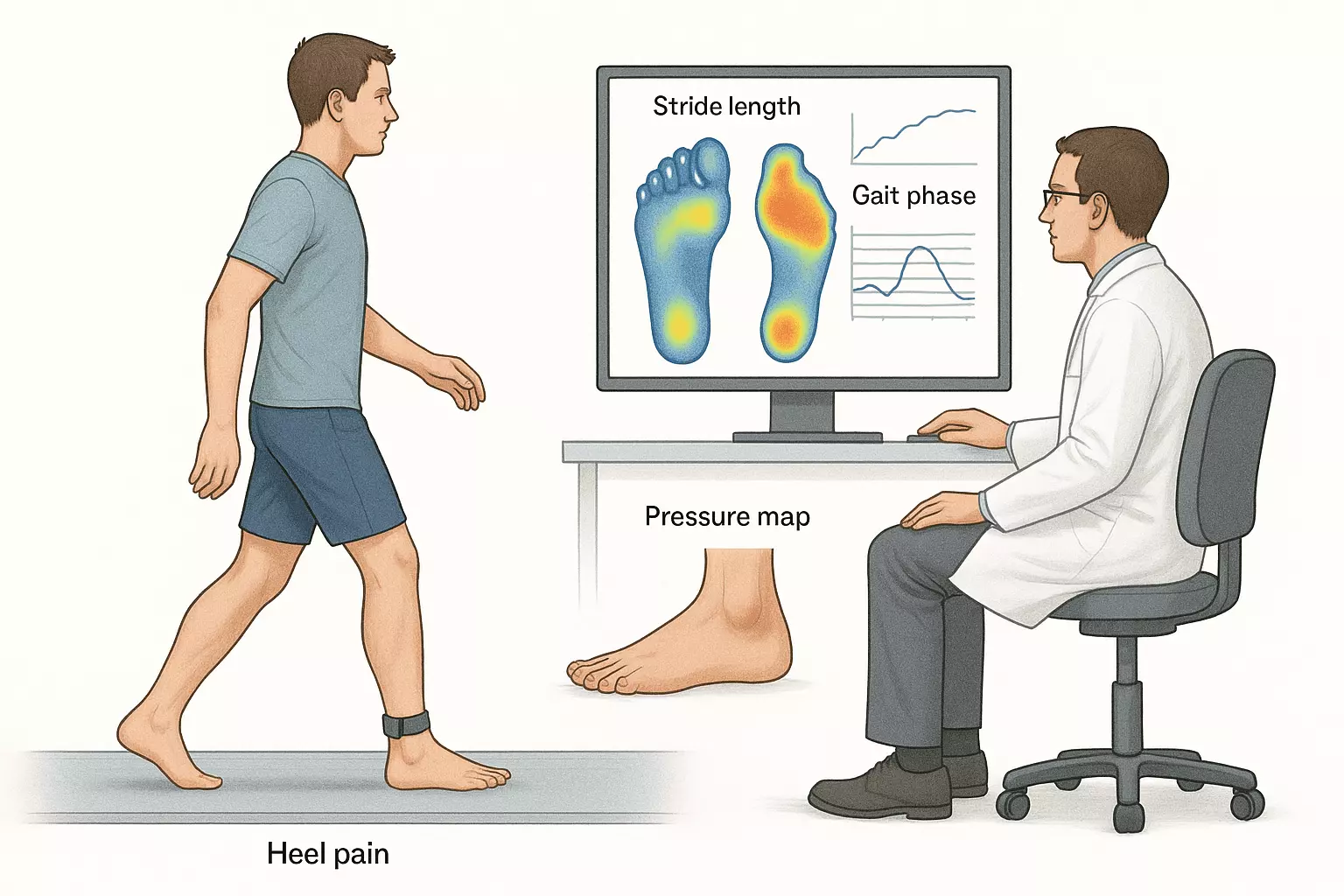
Biomechanics is the study of how the body moves, specifically how forces are distributed through the foot and lower limb during movement. Mechanical imbalances often contribute to pain in the feet, knees, hips, and lower back. Podiatrists use gait analyses and evaluate foot posture to identify these imbalances. Overpronation, supination, and leg length discrepancy are measurable conditions that affect load distribution. Custom orthotic devices address mechanical issues; they are designed to match the measurements of an individual’s foot structure. Footwear recommendations also come from biomechanical assessment, with guidance based on measured findings.
Visit a Podiatrist
Foot health intersects with mobility, pain management, and chronic conditions. Regular podiatric visits create a documented record of your foot health that supports informed clinical decisions over time. Visit frequency depends on your health history, existing conditions, and age; your podiatrist will advise an appropriate schedule for your circumstances. If you have diabetes, arthritis, or a history of foot injuries, more frequent visits are typically warranted. Schedule a foot evaluation with a podiatrist today.