
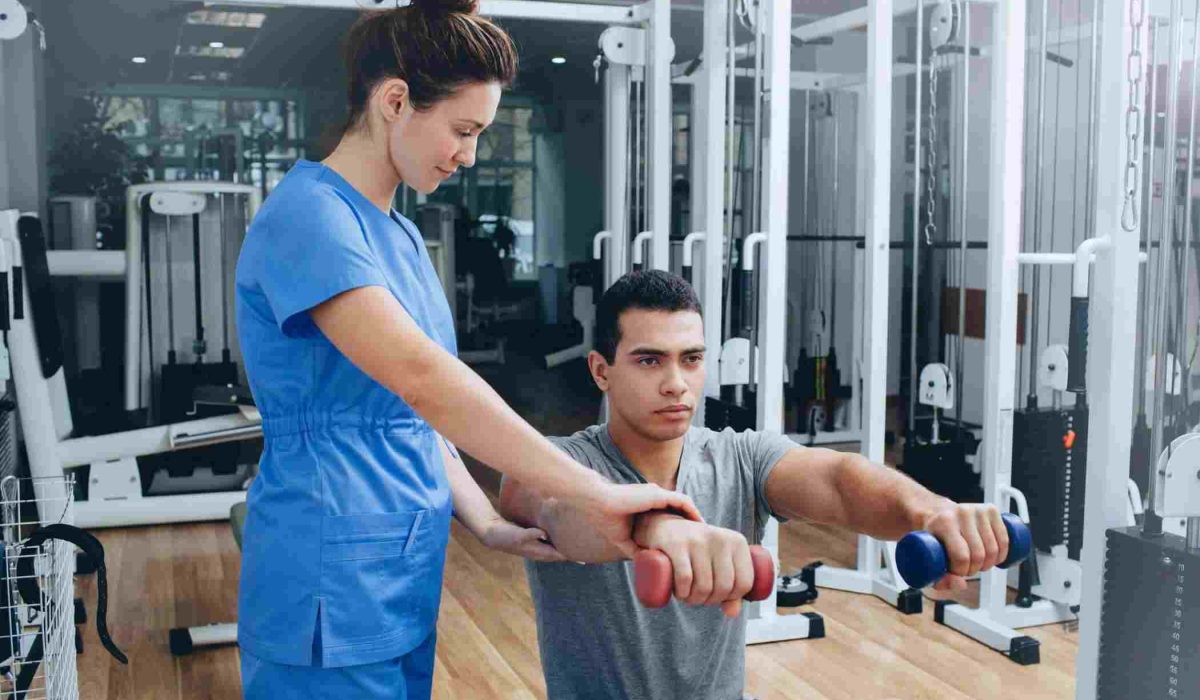

Sports injuries happen during training, competition, and everyday movement, but multiple rehabilitation strategies exist. A sudden twist strains a ligament, and overuse wears down tendons over time. When you injure yourself, you face pain, swelling, and reduced mobility. Here is more information on rehabilitation techniques after a sports injury:
Physical Therapy
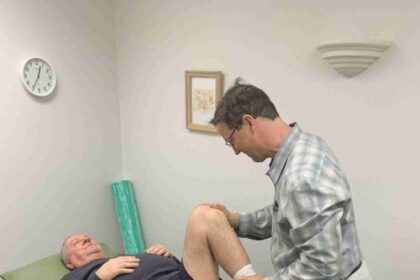
Physical therapy aims to restore movement after sports injuries. A therapist evaluates your range of motion, and then they design a personalized exercise plan. Since each injury affects the body differently, your program targets specific muscles and joints. Sessions track your progress through measurable goals.
Standard RICE Method
The rest, ice, compression, and elevation (RICE) method addresses acute injuries after they occur. You rest the area, and you apply controlled treatment steps. While inflammation peaks early, this approach limits swelling and tissue damage.
The protocol follows four clear actions:
- Rest: Stop activity to prevent further strain.
- Ice: Apply cold packs for 15 to 20 minutes.
- Compression: Wrap the area with an elastic bandage.
- Elevation: Raise the limb above heart level.
You repeat these steps several times daily. Consistency reduces swelling, and elevation drains excess fluid. While RICE treats minor injuries well, severe cases need professional evaluation.
It’s beneficial to act quickly when an injury occurs, as prompt care can speed up recovery. The RICE method is easy to follow and highly effective for many minor injuries. If pain persists despite these steps, you should consult a healthcare professional to rule out more serious issues.
Targeted Bracing and Splinting
Braces and splints stabilize injured joints. A brace limits harmful movement, and a splint immobilizes fractured bones. When you protect the area, surrounding tissues heal without added stress.
Clinicians select devices based on injury location and severity. The right brace supports the knee, ankle, wrist, or elbow. Since improper fit delays recovery, a specialist measures and adjusts each device. You wear the support throughout the prescribed healing period.
Some braces allow controlled motion during later recovery. You move within safe limits, and the device prevents overextension. While full rigidity suits early healing, adjustable braces support active rehabilitation.
Progressive Resistance Training
Progressive resistance training rebuilds strength after immobilization. You start with light loads, and you increase resistance gradually. As muscles weaken during rest, controlled overload restores function over weeks.
A program raises intensity in measured steps. You begin with bodyweight movements before adding bands or weights. While early sessions focus on form, later stages add volume and load. This structure aims to reduce the risk of re-injury. This specific approach aims to:
- Promote muscle regrowth and restore strength.
- Improve joint stability and mobility.
- Enhance circulation, supporting tissue repair.
- Reduce the risk of future injuries through improved resilience.
Get Treated for Sports Injuries
Proper rehabilitation follows a clear sequence of stages, and since each technique addresses a different phase, professional guidance shapes your plan. A specialist matches treatment to your specific injury. Schedule an evaluation with a sports injury clinic today; you discuss your symptoms, and a clinician outlines your next steps. While recovery takes time, the right plan keeps you on track. Contact a qualified provider to begin your assessment.