

Joint discomfort affects people across all age groups, and arthritis is one of the most common reasons individuals seek relief. This condition can influence daily activities, from walking and climbing stairs to holding a cup of coffee. Understanding what arthritis is and the options available for managing it may help you make informed choices about your well-being.
What Is Arthritis?
Arthritis is a broad term used to describe inflammation of one or more joints. Rather than referring to a single illness, it covers many related conditions that affect the joints and surrounding tissues. The two most widely recognized forms are osteoarthritis and rheumatoid arthritis. Osteoarthritis develops when the protective cartilage that cushions the ends of bones gradually wears down over time. This causes bones to rub against one another, and this may lead to stiffness and reduced movement. This form is often linked to aging, repetitive strain, or previous joint injuries.
Rheumatoid arthritis is an autoimmune condition. The body’s immune system mistakenly targets the lining of the joints, and this response can cause swelling, tenderness, and changes to joint structure. Other types include gout and metabolic arthritis, each with distinct causes and patterns.
Common signs across many forms of arthritis include joint pain, swelling, stiffness, and a decreased range of motion. Symptoms may appear gradually or arrive more suddenly, and they can range from mild to more pronounced. Because these signs sometimes overlap with other conditions, a proper evaluation helps identify the specific type present.
How Is It Managed?
Managing arthritis often involves a combination of daily habits and supportive strategies, and these can be designed to reduce discomfort and maintain joint function. While no single approach works for everyone, several general practices are frequently discussed as part of a broader plan. Physical activity plays a meaningful role. Low-impact exercises may help keep joints flexible and strengthen the muscles that support them. Maintaining a healthy body weight can lessen the load placed on weight-bearing joints, including the knees and hips. Even modest changes in weight may reduce the strain these joints experience during movement. Rest during periods of increased discomfort can also help.
What Resources Support Management?
When self-directed strategies are not enough, medical treatment offers further options. A healthcare professional typically begins with an assessment that involves a physical examination, and it may include diagnostic tests. These steps help determine the type of arthritis and its progression.
Treatment plans vary based on the specific diagnosis and the needs of each person. Medications are a common component, and they may include options intended to address inflammation or discomfort. In cases involving autoimmune forms, other categories of medication can be discussed to influence the underlying process.
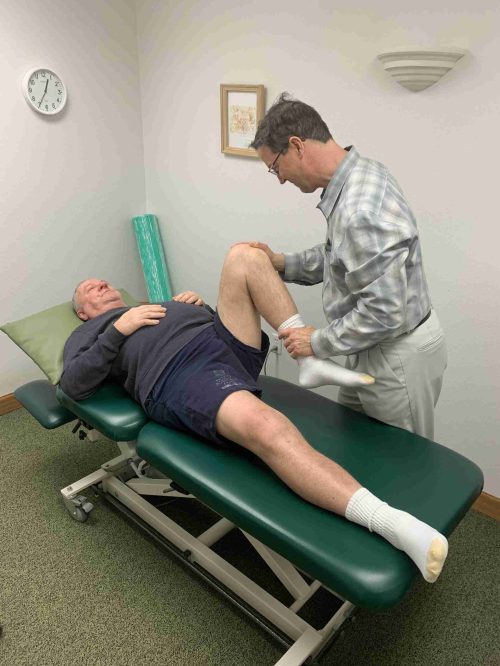
Physical therapy is another avenue that focuses on restoring movement and building strength through guided exercises. In certain situations, injections directed at the affected joint can be recommended. Joint damage may become advanced, or other methods fall short; surgical procedures such as joint repair or replacement then enter the conversation as an option. Any treatment path is best determined through discussion with a professional who can tailor recommendations to individual circumstances.
Seek Professional Pain Management Services
Pain management specialists focus on identifying the sources of joint discomfort, and they may develop personalized approaches to address them. These professionals often combine several methods, drawing from both established and evolving techniques to support long-term relief and mobility. Reaching out to a pain management provider gives you access to structured guidance.