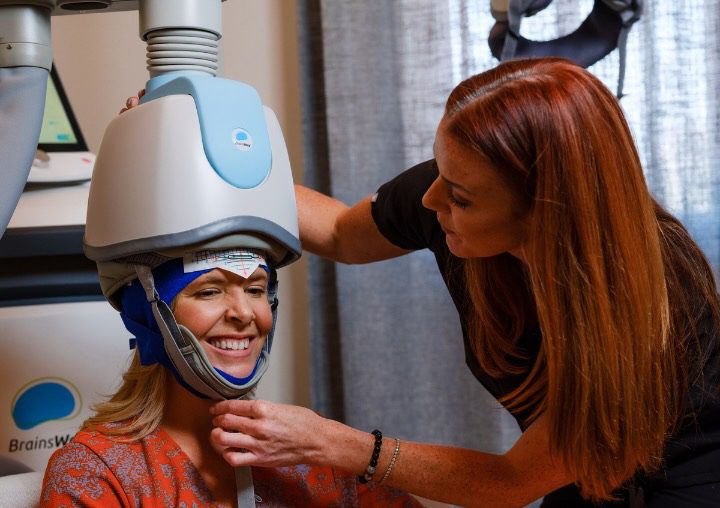

Mental health treatment encompasses various methods to manage conditions like depression and anxiety. Patients may begin with talk therapy, and doctors frequently prescribe pharmaceutical medications. When these standard approaches do not yield results, medical professionals may recommend alternative procedures. Transcranial magnetic stimulation (TMS) is a non-invasive medical procedure that uses magnetic fields to stimulate nerve cells in the brain. Here is more information on this mental health treatment:
What Is Mental Health Treatment?
Mental health treatment encompasses a broad range of clinical practices and therapeutic interventions. Physicians and psychiatrists develop specific treatment plans to address neurological and psychological conditions, and standard protocols may include psychotherapy, psychopharmacology, or a combination of both modalities. When these primary interventions do not produce adequate clinical results, doctors can recommend other approved therapies. TMS is one of the secondary treatment options for treatment-resistant patients.
What Is TMS?
Transcranial magnetic stimulation is a non-invasive technological procedure used in psychiatric care. The treatment uses electromagnetic induction to target specific brain regions associated with mood regulation, providing relief for mental health symptoms. Unlike electroconvulsive therapy, TMS does not require anesthesia, and it does not induce seizures.
How Does It Work?
During a TMS session, a medical technician places an electromagnetic coil against the patient’s scalp near the forehead. The device delivers brief magnetic pulses, and these fields pass through the skull into the brain. Because these pulses stimulate nerve cells in the specific region involved in mood control, they increase localized brain activity. This targeted stimulation helps alleviate depression symptoms over a structured series of clinical sessions.
A standard treatment course is six weeks. Patients typically attend sessions five days a week, and each appointment lasts about 30minutes. The procedure is non-invasive, so individuals can resume their daily activities immediately after leaving the clinic. Doctors monitor progress continuously so they can adjust the treatment parameters as needed.
Who Does It Help?
Psychiatrists primarily prescribe TMS for individuals diagnosed with major depressive disorder who have not found relief through conventional medications. Clinical guidelines specify that a patient must undergo adequate trials of antidepressant medications before qualifying for this procedure. Individuals experiencing severe medication side effects may find this non-systemic approach beneficial, and a thorough psychiatric evaluation determines whether a specific patient meets the clinical criteria for this treatment.
What Are the Benefits?
The primary clinical advantage of TMS is its non-invasive, non-systemic nature. Patients may experience a substantial reduction in depressive symptoms after completing the full treatment protocol. Specific clinical benefits include:
- Outpatient administration requiring no recovery time
- Lack of systemic pharmaceutical side effects
- High tolerability among treatment-resistant patients
- Precise targeting of specific brain regions
Consulting a mental health specialist helps determine if this treatment is right for each situation.
Enhance Your Mental Health Treatment
Medical advancements continue to provide new options for psychiatric care. Transcranial magnetic stimulation offers a scientifically validated option when traditional methods prove insufficient for a patient’s recovery, and patients can explore this medical procedure by discussing their symptoms with a qualified healthcare provider. If you experience treatment-resistant depression, schedule a clinical consultation with a psychiatrist.