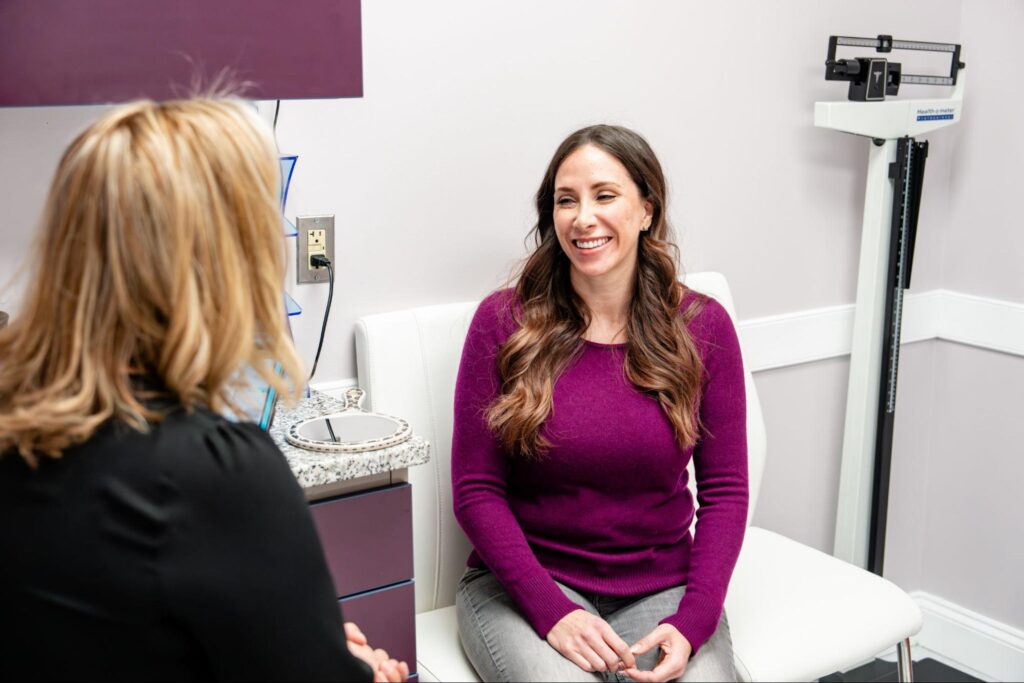

Plastic surgeons are medical specialists who reshape and restore parts of the body, and they typically train for years in both surgical technique and facial anatomy. Every face is different, so their approach starts with study rather than assumptions. When you understand their process, you gain a clearer view of what each visit involves. Here is more information on how they approach your specific aesthetic goals:
Measuring Anatomy
A plastic surgeon begins by measuring your features in precise detail. They record proportions, and they compare each measurement against established reference points. Since faces hold subtle asymmetries, these notes guide every later decision. This first step builds the foundation for the work ahead.
Measurements typically cover several specific areas. The surgeon may track the following points during your assessment:
- Width and projection of the nose
- Distance between the eyes
- Chin and jawline position
- Lip and cheek volume
These numbers shape the conversation, and they give the surgeon a factual base. Though tools vary by clinic, the goal stays the same across each one. You leave this stage with a documented profile of your features.
Examining Bone Structure
Bone structure lies beneath every soft-tissue feature. The surgeon studies your underlying frame, and imaging often supports this review. Since bone defines the shape of the face, it influences which procedures suit you. This step connects your visible features to their deeper support.
Scans and physical exams work together here. The surgeon reviews the bone, and they note any traits that limit certain techniques. When a structure sits in a fixed position, the plan adjusts to match it. You receive an honest read of what your anatomy allows.
Tailoring Surgical Plan
Now the surgeon builds a plan around your specific data. They review your measurements, and they map each step to your stated goals. As no two patients share the same anatomy, this plan stays unique to you. The result is a roadmap grounded in your own features.
The plan lists procedures, sequencing, and recovery details. A surgeon may outline a few key elements for you:
- Recommended techniques
- Expected timeline
- Major recovery milestones
These details give you a clear picture, and they remove much of the guesswork. Though the plan stays flexible, it follows your documented profile closely. You and the surgeon then discuss each part together.
Forming Realistic Goals
Realistic goals depend on honest discussion. The surgeon explains what your anatomy supports, and they describe likely outcomes in plain terms. Since each person heals differently, no result comes with a guarantee. This conversation keeps expectations grounded in fact.
You bring your priorities, and the surgeon weighs them against your structure. When a goal sits beyond what surgery offers, the surgeon says so directly. This honesty helps you make an informed choice. You finish with a shared understanding of the path forward.
The surgeon may also note factors that shape your timeline. They review your health history, and they explain how it affects the plan. Since recovery varies by person, your schedule reflects your own situation. You leave knowing what each stage requires of you.
Visit a Plastic Surgeon Today
A personalized approach starts with measurement, structure, and clear discussion. The surgeon studies your anatomy, and they build a plan around your documented features. As each step rests on facts, you gain a realistic view of your options. Schedule a consultation with a board-certified plastic surgeon to begin your assessment.