
Gallbladder surgery is a procedure used to treat conditions such as gallstones, inflammation, or ongoing gallbladder pain. People may experience changes in digestion as their body adjusts to processing fats without the gallbladder. Here is more information on what to know about the long-term effects of gallbladder surgery on digestion:
Understanding Bile Flow
After gallbladder surgery, the liver still produces bile, but it now flows directly into the small intestine without a storage point. This continuous drip replaces the timed release that once occurred when you ate, meaning your body handles fats in a new way. Your digestive system slowly adapts to this constant flow, and the small intestine takes on a larger role over time. The amount of bile your liver makes does not increase, yet the timing shifts because storage no longer occurs. This adjustment shapes how you digest meals, and it forms the foundation for the changes described below.
Recognizing Digestive Changes
People who undergo gallbladder surgery may experience several changes in how their bodies process food. Here are some changes that individuals may experience:
- Looser stools: The constant flow of bile can speed digestion, which sometimes leads to softer or more frequent bowel movements.
- Increased gas: Some people produce more gas after meals, and this may become more noticeable when eating fatty foods.
- Bloating: A feeling of fullness can occur, especially after meals rich in heavy ingredients.
- Changes in fat digestion: Without stored bile, large amounts of fat in one sitting become harder to break down.
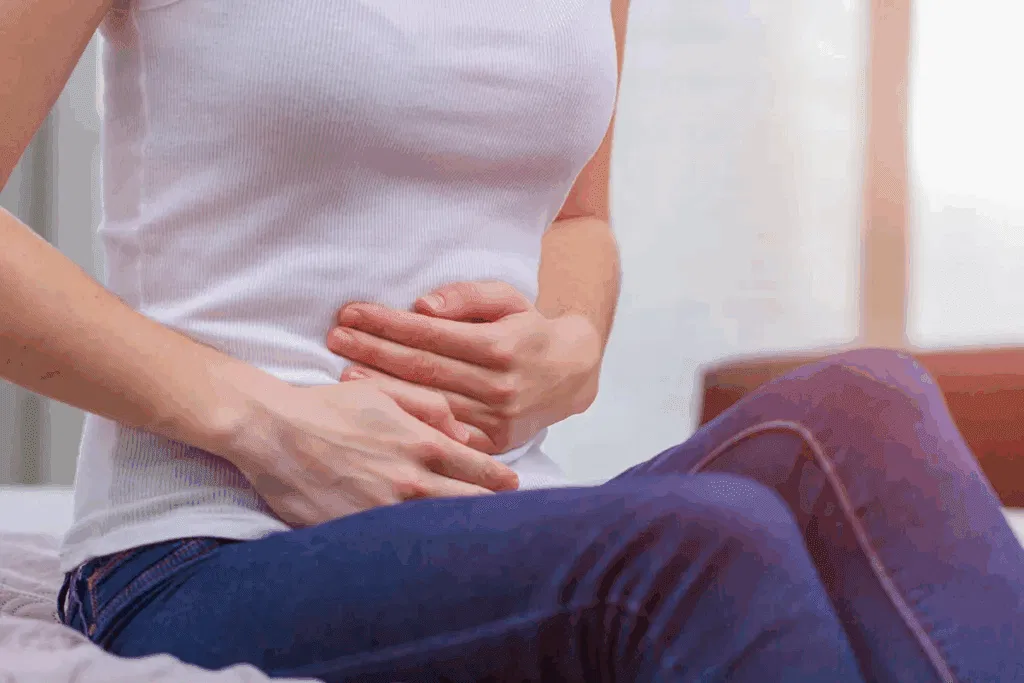
- Temporary discomfort: Mild cramping may occur as the digestive system adjusts to its new rhythm.
These changes often ease as your body adapts, though the timeline differs for each individual.
Adjusting Eating Habits
Your relationship with certain foods may shift after gallbladder surgery, and people often adjust their eating habits in response. Heavy, greasy, or fried meals may become harder to handle; some individuals choose lighter options more often. Smaller meals spread across the day may sit more comfortably than three large ones, and this approach gives your system time to process each portion.
Tracking how you feel after meals can help you identify patterns, and this awareness makes it easier to plan what you eat. It is helpful to introduce new foods one at a time, because this method shows you exactly how your body responds. Eating habits often settle into a new normal within a few months, though some people continue to modify their choices. Hydration plays a role too, and drinking enough water supports smooth digestion.
Managing Long-Term Concerns
You can take practical steps to support your digestion long after the procedure. The following strategies may help you manage ongoing changes:
- Eat small and frequent meals: Spreading food throughout the day eases the workload on your digestive system.
- Limit high-fat foods: Cutting back on greasy meals can reduce discomfort and help your body process bile more easily.
- Add soluble fiber gradually: Foods like oats and bananas can firm up stools, though adding them slowly works best.
- Stay hydrated: Drinking water supports digestion and keeps your system running smoothly.
- Keep a food journal: Noting what you eat and how your body responds helps you identify triggers, and this record guides smarter choices.
Speak with a qualified healthcare provider if digestive concerns persist, because professional guidance can help you address them properly.
Schedule Your Gallbladder Surgery Appointment
Gallbladder surgery changes how your body stores and uses bile, and these changes can affect digestion in the long term. You may experience looser stools, more gas, or new food sensitivities. People can adapt by eating smaller meals and practicing mindful eating. Habits, such as staying hydrated and tracking your meals, support smooth digestion as your system adjusts. Contact a qualified general surgeon near you to schedule your gallbladder surgery appointment today.