
Foot and ankle injuries can slow patients down for weeks, sometimes months, and traditional treatments like rest, medication, and surgery help podiatry patients heal. Regenerative medicine offers additional options for recovery. This field uses the body’s own healing mechanisms to repair damaged tissue, potentially reducing recovery time and the need for invasive procedures. Here is more information on what regenerative medicine is, how it works, and who benefits from it:
What Is Regenerative Medicine?
Regenerative medicine is a branch of healthcare focused on repairing, replacing, or regenerating damaged cells and tissues. Rather than masking symptoms, it targets the underlying source of an injury. For podiatry patients, this approach addresses conditions affecting the muscles, tendons, ligaments, and joints of the feet and ankles, and the goal is to restore function by encouraging the body to heal itself.
What Does It Involve?
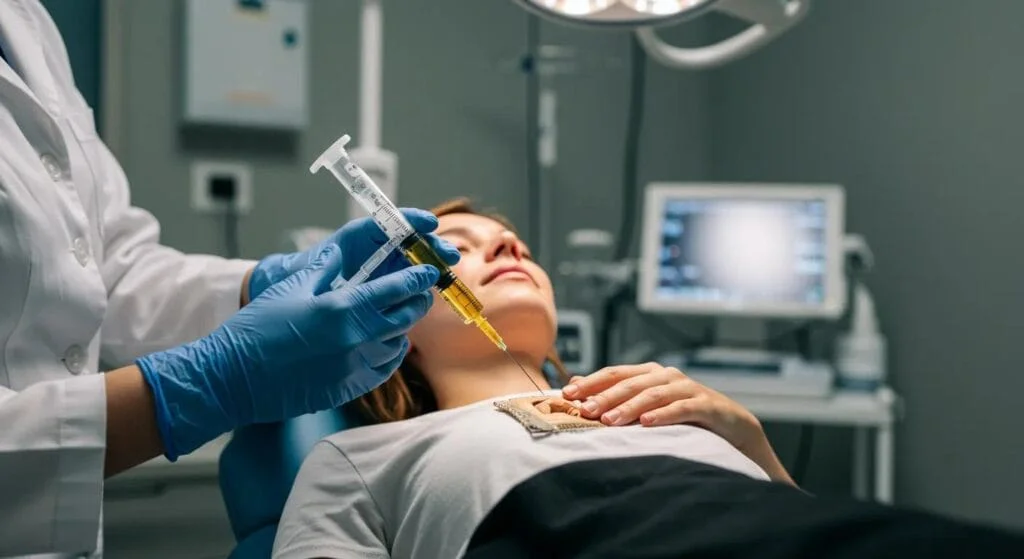
This area of medicine encompasses several techniques, and a podiatrist will select the technique based on the patient’s specific condition and medical history. PRP (platelet-rich plasma) therapy begins with a small blood sample drawn from the patient. A centrifuge then separates the platelets, which contain growth factors that support tissue repair. The concentrated platelets are injected directly into the injured area, where they stimulate the healing response. This procedure is minimally invasive.
Who Does It Help?
Regenerative medicine assists patients with a range of foot and ankle conditions; people with plantar fasciitis, Achilles tendinitis, and chronic ligament injuries may respond well to these treatments. Patients who have not found relief through conventional methods may also evaluate this option. Athletes with sports-related injuries form another group that benefits from regenerative care, helping them return to their sports faster.
This approach suits individuals who want to avoid surgery, and it helps some reduce their reliance on long-term medication. A podiatrist will evaluate each case, which enables them to determine whether regenerative medicine fits the patient’s needs. Candidacy depends on factors such as the type of injury, its severity, and overall health.
How Is Healing Enhanced?
PRP therapy accelerates healing by concentrating the body’s natural repair agents at the injury site. Growth factors found in platelets signal nearby cells to multiply and rebuild damaged tissue. This process increases blood flow to the affected area, delivering oxygen and nutrients that support recovery. As a result, tissues that heal slowly on their own can repair more efficiently; this helps improve a patient’s quality of life.
These treatments also reduce inflammation, which contributes to pain and stiffness. By calming the inflammatory response, regenerative therapies create conditions that favor tissue regeneration, and the combined effect is a faster, more complete recovery for some patients. Consulting a podiatrist helps determine what can be done for each situation.
What Are the Benefits?
Regenerative medicine offers several advantages for podiatry patients, including:
- Reduced recovery time: Healing may occur faster.
- Minimally invasive: Procedures like PRP injections avoid surgical risks.
- Natural process: Treatments use the body’s own cells and growth factors.
- Targeted treatment: Therapy addresses the specific source of the injury.
Outcomes vary from person to person, and results depend on the condition being treated.
Expedite Your Recovery
Regenerative medicine helps treat foot and ankle injuries. It harnesses the body’s natural ability to repair itself, potentially shortening recovery time and reducing the need for surgery. Techniques such as PRP injections deliver reparative cells directly to damaged tissue, and they stimulate healing while lowering inflammation. If you experience foot or ankle pain, speak with a qualified podiatrist about your treatment options.