
A stroke affects movement, speech, memory, and independence, making daily routines different during recovery. Ongoing care often includes various components such as rehabilitation and support from family members or healthcare professionals. Here is more information on managing daily life following a stroke:
Rebuilding Everyday Skills
A consistent routine gives structure to each day, and it helps a person regain a sense of control. Tasks like dressing, eating, and bathing may become harder at first after a stroke, so breaking them into smaller steps can make them easier to complete. People often start with short goals, and they slowly add more activities as their strength returns. Setting up the home for safety is a key part of this process. Here are some adjustments that people often find helpful after a stroke:
- Clear walkways: Remove loose rugs and clutter to keep paths open and easy to use.
- Add grab bars: Place them near the toilet and shower to support balance.
- Improve lighting: Bright lights help a person see steps and obstacles clearly.
- Use labeled items: Mark drawers and cabinets to find things without stress.
These small changes support independence, and they allow a person to focus on recovery rather than worry.
Improving Movement and Speech
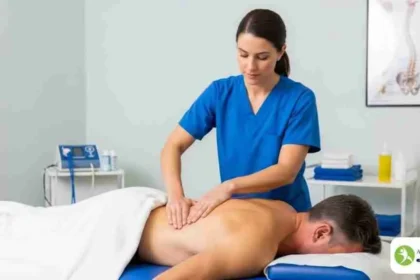
A stroke may weaken muscles on one side of the body and affect balance and coordination. Physical activity, guided by a trained therapist, often plays a fundamental role in regaining motion. Practice happens in small steps, and progress may happen slowly.
Communication may also change after a stroke. Some people struggle to find words, and others may have trouble understanding speech. Speaking slowly, using short phrases, and giving extra time to respond can make conversations smooth. A speech therapist offers exercises that build these skills, and family members can practice them at home.
Managing Emotional and Mental Changes
A stroke affects more than the body; it often affects mood and thinking too. Some people become frustrated, sad, or anxious as they adjust to new limits. These feelings are common, and they may ease as recovery continues. Memory and focus can also shift after a stroke. A person may forget appointments or lose track of tasks, so written reminders and calendars can help.
Keeping a regular sleep schedule supports clear thinking, and short breaks during the day can reduce mental strain. Talking with a counselor or in a support group provides a safe space to share concerns. Family support plays a strong role here; loved ones who listen and offer encouragement can make the adjustment smoother.
Preventing Another Stroke
Once a person has had a stroke, lowering the risk of a second one becomes a top priority. Several lifestyle choices may reduce the chance of another stroke. Here are some of them:
- Eat balanced meals: Choose vegetables, fruits, whole grains, and limit salt.
- Stay active: Gentle and regular movement supports heart and blood vessel health.
- Avoid tobacco: Quitting smoking lowers strain on the body.
- Track health numbers: Monitor blood pressure and follow medical advice.
- Take medicine as prescribed: Stick to the schedule your doctor sets.
Incorporating these practices into daily life can significantly improve overall health and reduce the risk of future complications.
Schedule Your Stroke Evaluation Today
Managing daily life after a stroke takes time, and it involves routines, movement, communication, and emotional care. Adopting healthier habits, monitoring key health metrics, and adhering to prescribed medication routines can help individuals significantly reduce their risk of health complications. These, along with regular consultations with a healthcare professional, provide fundamental support for long-term well-being. Contact a qualified vascular specialist near you to schedule your stroke evaluation today.