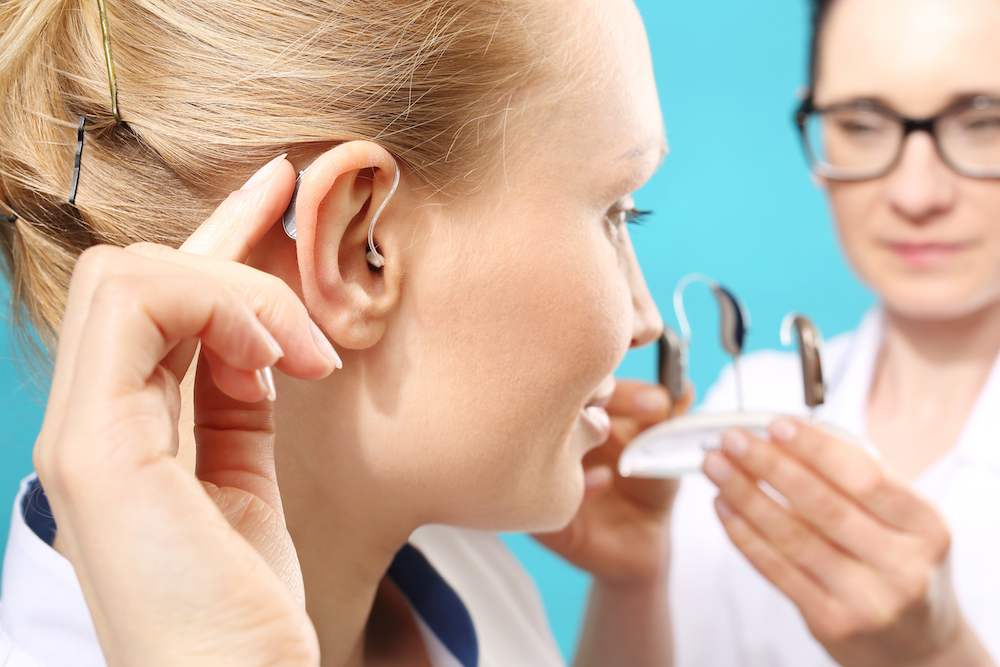

Hearing aids have advanced significantly, offering improved sound quality, greater comfort, and features that help users communicate more easily in different environments. Understanding these developments can help individuals make informed decisions when exploring hearing support options. Here is what you need to know about the latest advances in hearing aids:
Digital Sound Processing
Digital sound processing is a key feature of most new hearing aids. The device captures sound, converts it into a digital signal, then adjusts it to match the wearer’s settings. This process occurs in a fraction of a second, allowing the device to respond quickly to changing surroundings. These systems focus on sorting useful sounds from background noise. Here are a few ways digital processing supports daily listening:
- Noise filtering: The device lowers steady background sounds, such as a humming fan, so speech stands out more clearly.
- Speech focus: Some models highlight voices, which can help during conversations in busy rooms.
- Feedback control: The system reduces whistling sounds that older models sometimes produced.
These advancements in digital processing enhance clarity and comfort, making it easier to stay connected across a variety of listening environments. They also promote convenience features; the wearer rarely needs to touch a button.
Personalized Hearing Evaluations
A hearing evaluation is the starting point for choosing the right device. During this process, a hearing specialist measures how you respond to sounds at different pitches and volumes. The results create a profile that guides how the hearing aids are programmed for your needs. The specialist reviews your daily routine and asks about the places where you struggle to hear, then they fit the device to those situations. This step personalizes the devices and helps them perform well in your specific environment.
Better Everyday Listening
Newer hearing aids aim to make ordinary moments easier to manage. Some models connect to phones and televisions through wireless links, so sound travels straight to your ears. This can reduce the strain of turning up the volume, and it keeps audio controlled even in noisy rooms. Here are some practical features of modern devices:
- Rechargeable batteries: You place the device on a charging stand overnight, which removes the need to swap tiny batteries.
- Smartphone apps: These let you adjust volume or switch settings with a quick tap on your screen.
- Automatic scene detection: The device senses whether you are outdoors, in a car, or at a restaurant and adapts automatically.
Each of these tools adds convenience to the wearer’s day, and the goal is to help you stay engaged with the sounds around you.
Adjustments and Ongoing Support
After the specialist fits your hearing aids, they may schedule follow-up visits to fine-tune the settings. Your hearing can change over time, so these check-ins keep the device working as you expect. Some providers now offer remote adjustments through an app. You send a request, the specialist reviews your settings, and changes arrive without a trip to the office. This option saves time, and it gives you a quick way to fix minor issues.
Ongoing support also covers cleaning tips, replacement parts, and general guidance. Regular maintenance plays a fundamental role in keeping your devices in good shape. A specialist can clean parts that gather wax or moisture, and they can check whether any piece needs replacing.
Explore Hearing Aids Today
Hearing devices have become smarter, more comfortable, and easier to manage. Proper care and regular maintenance are key to making sure they function optimally over time. With ongoing support from your provider, you can address minor issues, gain valuable cleaning tips, and replace components as needed. Contact a qualified ENT specialist near you to schedule your appointment and explore hearing aids today.