
A melanoma dermatologist specializes in evaluating suspicious skin changes and identifying melanoma at its earliest stages. These specialists can help patients receive prompt care and improve treatment outcomes through thorough skin examinations, risk assessments, and timely testing when needed. Here is a closer look at the role of a melanoma dermatologist in early detection:
Evaluating Skin Changes
A melanoma dermatologist begins by reviewing the spots and moles you point out. They examine size, color, and shape, and they compare these features with past records when available. This careful review helps them separate harmless marks from ones that may require a closer look. Specialists rely on the ABCDE method, a structured way to study skin changes. Here is what the method covers:
- Asymmetry: One half of a mole does not match the other half.
- Border: The edges look uneven, ragged, or blurred.
- Color: The mole shows more than one shade or tone.
- Diameter: The spot grows larger than a pencil eraser.
- Evolving: The mark changes in size, shape, or color over time.
These features give the dermatologist a clear framework, and they document each one during the visit. While no single sign confirms a diagnosis on its own, this method helps them decide which spots deserve further testing.
Using Early Detection Tools
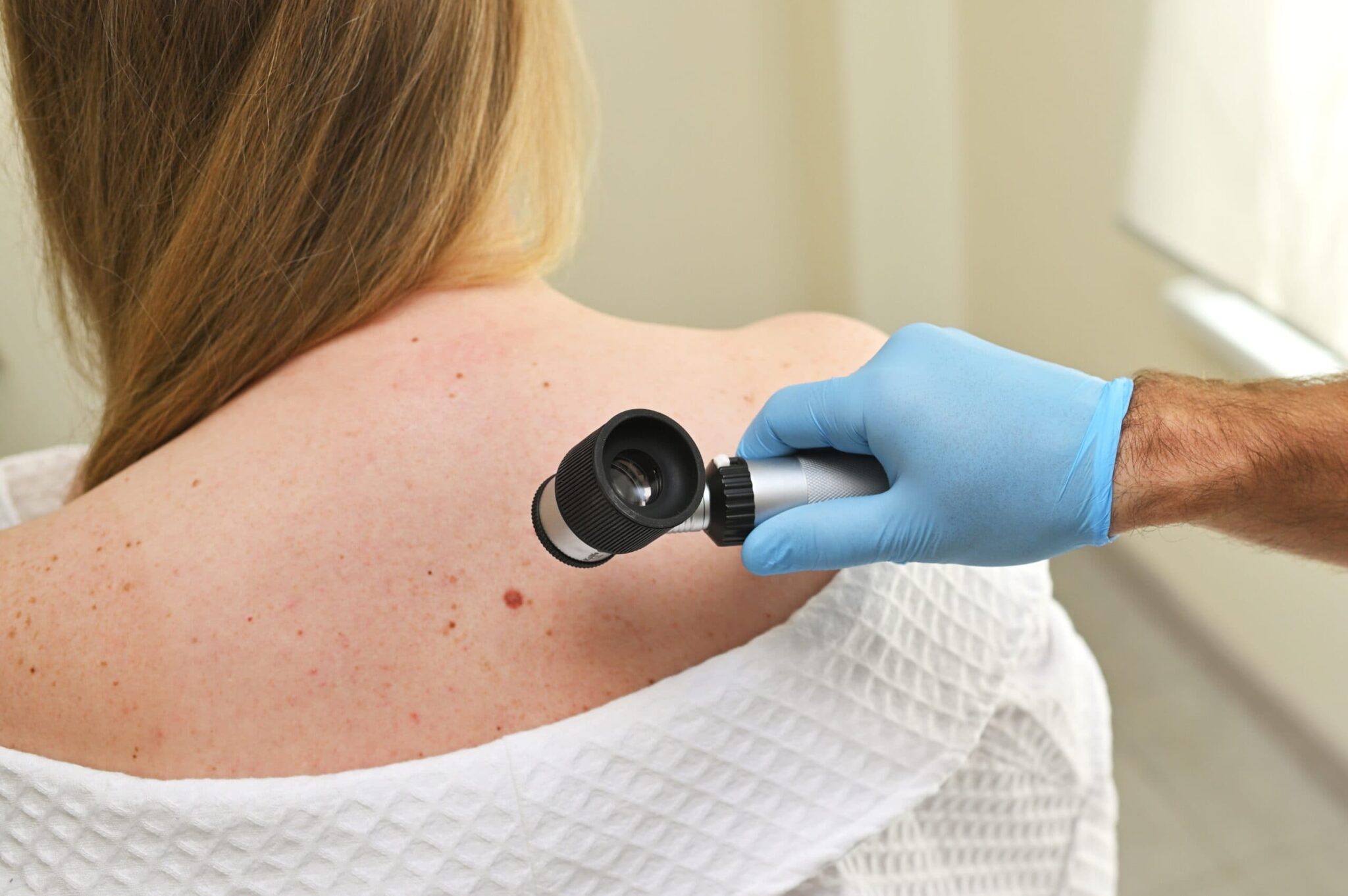
A melanoma dermatologist uses specific tools to study the skin in detail. One common tool is the dermatoscope, a handheld device that magnifies the surface and reveals patterns the eye cannot see. This closer view helps the specialist examine structures beneath the top layer, and it adds detail to the standard exam.
Some clinics also use total-body photography to track changes over multiple visits. The dermatologist captures images of your skin, stores them, and compares them at later appointments. This method makes changes easier to identify because new images sit side by side with older ones. When a spot looks unusual, the dermatologist may take a small sample for testing. This step, called a biopsy, sends tissue to a lab for review.
Guiding Treatment Decisions
Once test results arrive, a melanoma dermatologist explains what they mean in plain terms. They walk you through the findings, outline the options, and answer questions about each approach. This conversation helps you understand the situation, and it sets the stage for clear decisions.
The dermatologist coordinates with other specialists when a case requires further support. They may refer you to a surgeon, an oncologist, or another expert, depending on the findings. This teamwork keeps your care organized, and it helps make sure each step connects to the next. A melanoma dermatologist acts quickly after a concerning result, and prompt follow-up keeps the process on track.
Supporting Long-Term Monitoring
A melanoma dermatologist does not stop after one visit. They set up a schedule for regular checks, and these appointments help monitor your skin over time. During these visits, the dermatologist often shares practical guidance you can follow at home. Here are some of them:
- Check your skin monthly: Look over your body in good light, and note any new or changing spots.
- Use a mirror for hidden areas: Examine your back, scalp, and other areas that are hard to see.
- Keep a record: Track marks with photos or notes so you can compare them over time.
- Protect your skin daily: Apply sunscreen and limit long sun exposure.
These habits give you a clear routine, and they help you report changes early.
Consult a Melanoma Dermatologist Today
A melanoma dermatologist plays a significant role at every stage of early detection. They evaluate concerning skin changes, use specialized tools, guide prompt decisions, and support ongoing monitoring. Regular skin self-examinations, combined with sun protection measures, are key for identifying potential melanoma early and reducing your risk. Contact a qualified dermatologist near you to schedule your consultation today.