
A well child exam is an integral part of preventive pediatric care, helping healthcare providers monitor a child’s growth, development, and overall health. These visits often include physical assessments, screenings, vaccinations, and discussions about nutrition, behavior, and age-appropriate milestones. Here are the key components of a child wellness exam:
Reviewing Growth and Health
The first part of a well child exam often focuses on growth. A nurse measures height, weight, and head circumference in younger children, and these numbers are recorded on a growth chart. After measurements, the doctor performs a physical check. Here are some areas a doctor may review during the physical check:
- Eyes and ears: The doctor checks vision and hearing to detect early changes.
- Heart and lungs: A stethoscope helps the doctor listen for steady rhythms and clear breathing.
- Skin: The doctor looks at the skin for rashes, marks, or other changes.
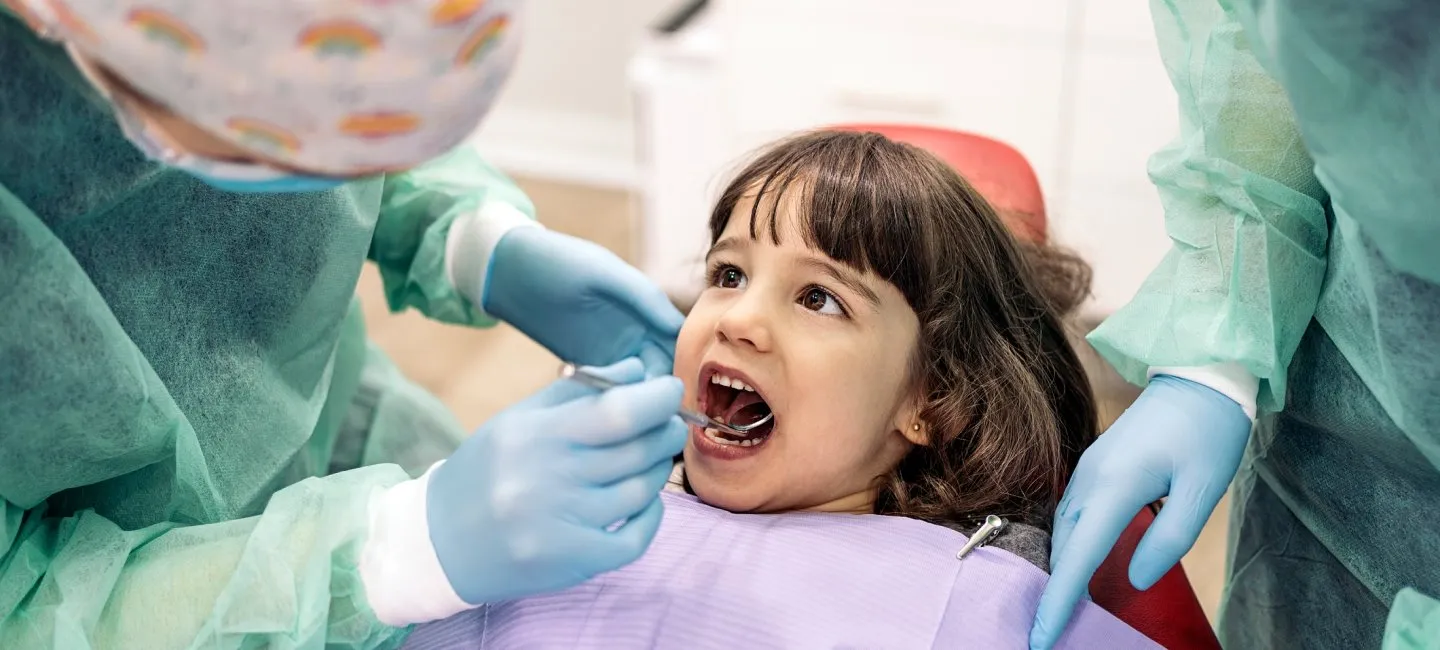
- Mouth and teeth: A quick look helps track oral health as teeth come in.
These checks give the doctor a clear picture of a child’s physical health. The doctor notes anything that needs follow-up, and parents can ask about anything they observed at home.
Tracking Development and Behavior
Beyond physical health, a child wellness exam tracks how a child develops in skills and behavior. Doctors review milestones, which are skills most children reach by a certain age. A baby may learn to roll over, while a toddler starts to say simple words, and these signs help the doctor measure progress.
To gather this information, the doctor often asks questions or uses a short screening form. Parents answer questions about how the child moves, speaks, and plays. The doctor may ask about social skills too, and this helps build a comprehensive view of development. Behavior matters at every age; the doctor pays attention to mood, sleep, and daily habits. Older children may face school stress or changes in friendships, and the doctor talks through these topics.
Updating Preventive Care
Preventive care focuses on keeping children healthy before problems start. Vaccines are a major part of this care, and the doctor follows a set age-based schedule. Preventive care also includes screenings that catch issues early. Here are common preventive steps a doctor may include during a well child exam:
- Immunizations: Shots are given on a schedule to protect against certain illnesses.
- Vision and hearing screens: Quick tests check how well a child sees and hears.
- Lead or blood tests: Some ages call for a small blood sample to check levels.
- Dental guidance: The doctor shares tips on brushing and routine dental visits.
Regular well-child exams are key for tracking growth, identifying potential issues early, and supporting the best possible health outcomes for children.
Addressing Questions
A well child exam gives parents a set time to ask questions. Some parents arrive with notes, and the doctor sets aside time to talk through each one. Questions may cover sleep, feeding, screen time, or behavior, and no topic is too minor to raise. The doctor offers practical guidance based on the child’s age and history. Parents can ask about what foods to introduce, and caregivers of older children often ask about homework habits or activity levels. This open exchange helps families prepare between visits, and it builds trust with the care team.
Schedule Your Well Child Exam Today
Regular well child exams are fundamental for monitoring growth, identifying potential concerns early, and fostering open communication between families and healthcare providers. Preparing questions in advance and sharing observations about your child’s habits or behaviors can promote a comprehensive evaluation and a collaborative care plan. Contact a qualified healthcare provider near you to schedule your child’s wellness exam today.