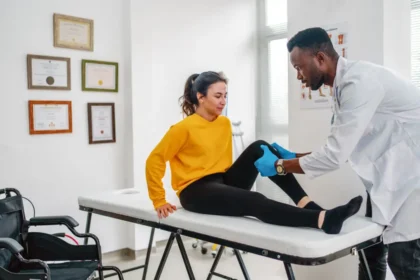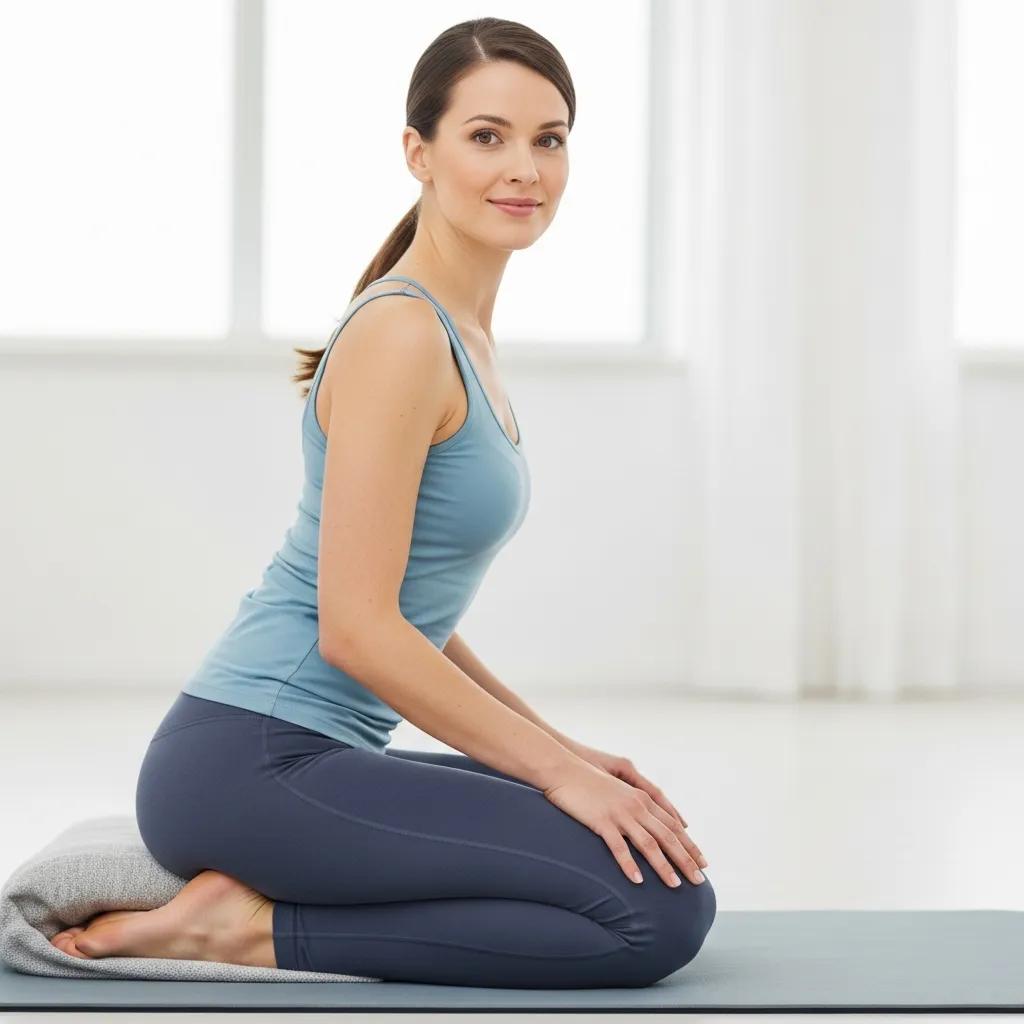

Pelvic floor dysfunction happens when the muscles supporting your bladder, bowel, and reproductive organs weaken or tighten. When this happens, you might notice leaks, urgency, or discomfort during daily activities. Many people experience these symptoms, and targeted exercises offer a practical way to retrain those muscles. Here are some exercises you can try:
Various Kegels
Kegels form the foundation of pelvic floor training, and they come in several styles. To start, you tighten the muscles you would use to stop urine flow. When you practice different versions of this movement, you target the muscles from various angles. A simple shift in technique keeps your routine balanced and complete.
You will work with two main types of contractions to address pelvic floor dysfunction. Each one trains your muscles differently:
- Slow holds: To build endurance and steady control.
- Quick contractions: To train fast reactions for sudden pressure.
Both methods are helpful, and combining them gives you broader coverage. A varied approach helps the whole muscle group respond, which supports steadier control over time.
Slow Squeezes
Slow squeezes train your muscles to hold tension for longer periods. Find the right muscles, then gently lift and squeeze them upward. Hold the contraction for three to five seconds while you breathe normally, and release slowly afterward. This deliberate pace teaches your muscles to stay engaged.
Rest for the same amount of time between each squeeze. When you give your muscles a recovery break, they respond better to the next repetition. Aim for 10 slow squeezes in a single set. A steady rhythm keeps the exercise effective, and consistency matters more than speed.
Watch your breathing as you work. Many people hold their breath without realizing it, and that habit undermines their results. Keep your stomach, thighs, and buttocks relaxed during each lift. Isolating the pelvic floor takes practice, so go gently as you learn the movement.
Quick Flicks
Quick flicks prepare your muscles to react fast under sudden pressure. Tighten the pelvic floor sharply, then release it right away. These rapid contractions mimic the demand of a cough or sneeze, and they build responsiveness. The movement feels brief, but it trains a real-world skill.
You repeat the flick several times in a row. A short burst works well here:
- Contract quickly.
- Release fully.
- Repeat 10 times.
Speed defines this exercise, and full release between flicks keeps the muscles from fatiguing. When you practice both quick and slow work, you cover the full range your pelvic floor needs.
Multiple Times Daily
Spacing your sessions across the day produces steadier progress. Try one set in the morning, one at midday, and one in the evening. Since these exercises stay invisible, you fit them into quiet moments without drawing attention. A desk, a car seat, or a kitchen counter all work as your practice spot.
Build the habit by linking exercises to routines you already follow. Pairing the work with daily tasks helps you remember it. When the routine becomes automatic, you stay consistent without extra planning.
Address Pelvic Floor Dysfunction
Pelvic floor exercises take patience, and results build gradually over weeks. Track your sessions so you stay accountable to your routine, and if symptoms persist or worsen, a trained professional offers guidance tailored to your situation. Self-directed exercise works for many people, though some cases need closer attention. Book an appointment with a colon and rectal health specialist today.