
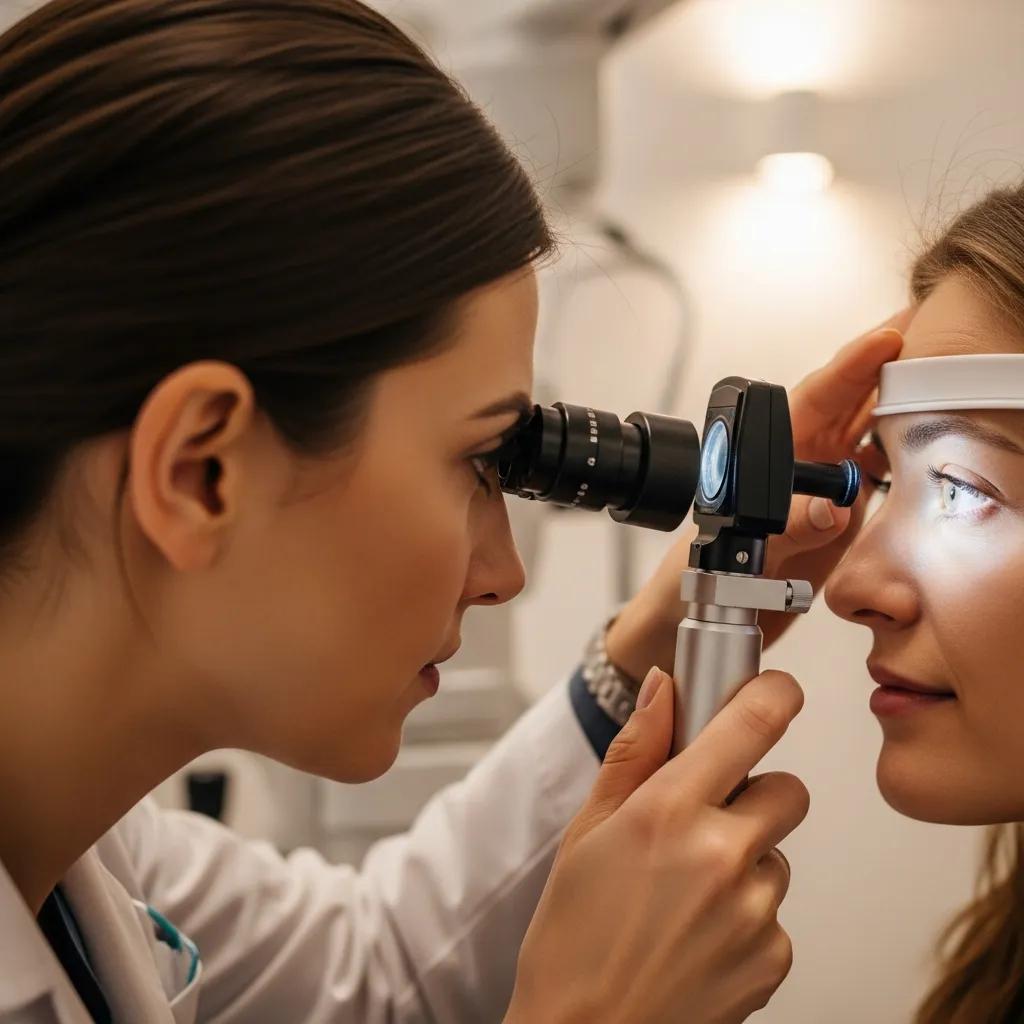

Eye exams are routine appointments, and an optometrist checks your vision and screens for conditions such as glaucoma. Many adults schedule these visits every one to two years. The time between appointments matters, and daily habits play a large role in protecting your sight. Here are some steps you can take at home, and each one supports your eyes until your next eye exam:
Wear Sunglasses
Ultraviolet light reaches your eyes even on cloudy days. Sunglasses with full UV protection block these rays, and they reduce your exposure during outdoor activities. When you shop for a pair, look for labels that confirm UV protection. Wraparound frames offer added protection by shielding the sides of your eyes.
Different lens features serve different needs. Below are a few options worth reviewing during your next eye exam:
- Polarized lenses that cut glare from water or roads
- Photochromic lenses that darken in bright light
- Larger frames that cover more surface area
Avoid Digital Eye Strain
Screens demand close, sustained focus for hours at a time. Digital eye strain develops when you stare at devices without breaks, and it leads to dryness, blurred vision, and headaches. The 20-20-20 rule offers a simple response to this problem. Every 20 minutes, look at something 20 feet away for 20 seconds.
Adjust your workspace to lower the strain further. Position your monitor about an arm’s length away, and tilt it slightly below eye level. Blinking matters too, when people blink less while reading screens. Set a reminder to blink fully and rest your eyes during long work sessions.
Lighting also plays a key role in reducing eye strain, so aim for proper setups in your workspace. While natural light is ideal, avoid glare on your screen by moving windows to the side rather than directly in front of or behind you. Adjusting brightness and contrast settings on your devices may significantly enhance your viewing comfort.
Prioritize Omega-3 Fatty Acids
Omega-3 fatty acids are used to support the function of your tear glands. These nutrients appear in fatty fish, and they also exist in certain plant sources. When your diet lacks them, your eyes may feel dry more often. Adding omega-3-rich foods is one practical adjustment you can make at mealtimes.
You find omega-3s in several common ingredients:
- Salmon, mackerel, and sardines
- Walnuts and flaxseeds
- Chia seeds and soybeans
A balanced diet that includes these foods supports your overall nutrition, and it contributes to eye comfort. Talk with your doctor before you start any supplement. Whole foods give you nutrients alongside fiber and protein.
Quit Smoking
Smoking exposes your eyes to harmful chemicals with every cigarette. The habit may lead to higher rates of cataracts. When you stop smoking, you lower your exposure to these substances. The decision affects more than your lungs, and it touches your eye health directly. You contact a quitline, join a program, or ask your physician about quitting, because each smoke-free day may reduce the chemical strain on your eyes.
Schedule an Eye Exam Today
Daily habits protect your eyes, but they do not replace professional care. If more than a year has passed, call your eye care provider now to book an appointment. Bring a list of any vision changes you noticed since your last visit. Combine professional checkups with these daily practices to support your eye health over time.