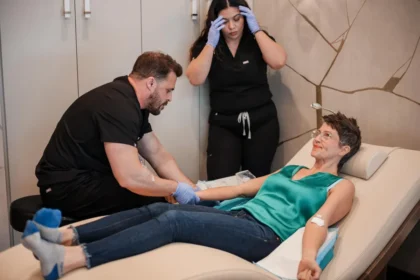

Sports injuries occur in athletes at every level, from weekend joggers to competitive players. A hard landing may cause a sprain or fracture, and repeated strain damages tendons. Since effective injury management is necessary, treatment often includes professional care and targeted therapies. Here are some tips and tricks for managing sports injuries:
Attend Physical Therapy
Physical therapy focuses on restoring movement and strength after sports injuries. A therapist evaluates your condition and designs a program built around your needs. Common elements of an exercise plan include:
- Stretching routines: Targeted stretches help improve flexibility, reduce stiffness, and restore your range of motion.
- Resistance exercises: Strengthening the muscles around the injured area provides better support and helps prevent re-injury as you heal.
- Manual techniques: Hands-on methods such as massage and joint mobilization help reduce pain and improve circulation.
Sessions are typically scheduled several times a week, and many therapists assign exercises to complete at home between visits. This structured approach helps track progress and adjust the plan as your body responds. Many people find that following the routine closely supports steady recovery.
Get PRP Injections
Platelet-rich plasma (PRP) is a treatment drawn from your own blood. A small sample is taken, then it’s spun in a centrifuge to concentrate the platelets. That concentrated portion is injected into the injured tissue, such as a tendon, ligament, or joint. The goal is to deliver growth factors directly to the area being repaired. PRP injections are used to treat a range of soft-tissue injuries, including chronic tendon problems and joint conditions. The procedure is minimally invasive, and it is usually completed in a single office visit. Some patients experience mild soreness at the injection site afterward. Your provider will explain the number of sessions that may apply to your situation and what recovery looks like day-to-day.
Schedule Shockwave Therapy
Shockwave therapy uses acoustic pressure waves directed at injured tissue. During a session, a handheld device delivers pulses to the treatment area over several minutes. The technique is noninvasive, so no incisions or injections are involved. Providers often recommend it for injuries like plantar fasciitis, tennis elbow, and stubborn tendon injuries.
A typical treatment plan includes multiple sessions spaced a week or so apart. You might feel a tapping sensation or mild discomfort while the device is active. Many people return to their usual activities shortly after each appointment. Your provider will map out how many sessions are right for your case, and they monitor how the tissue responds over time.
Learn More About Sports Injuries
Managing a sports injury takes time, and the right combination of treatments depends on your body and your condition. Physical therapy, PRP injections, and shockwave therapy each offer a different path toward recovery, and a qualified provider will develop a customized treatment plan. Since every plan looks different, open communication with your care team keeps you informed at each step. If you’re managing pain from an old injury or a recent setback, contact a sports injury specialist to discuss which approach fits your needs.