

Gallbladder disease refers to a range of conditions affecting the gallbladder, and these conditions include gallstones, inflammation, and infection. Symptoms often include abdominal pain, nausea, and digestive issues. Once the underlying condition has been identified, a gallbladder specialist can diagnose and manage these disorders through a combination of lifestyle changes, medication, and surgery. Here is more information on gallbladder disease, its symptoms, and how symptoms are managed:
What Is a Gallbladder Specialist?
A gallbladder specialist is typically a general surgeon with expertise in diagnosing and treating conditions of the biliary system; these physicians manage everything from medication management to gallbladder removal. General surgeons play a particularly prominent role when surgical intervention is required. Laparoscopic cholecystectomy, which is the surgical removal of the gallbladder, is an effective treatment for gallbladder problems. Consulting a qualified specialist early can lead to a clearer treatment plan.
What Is Gallbladder Disease?
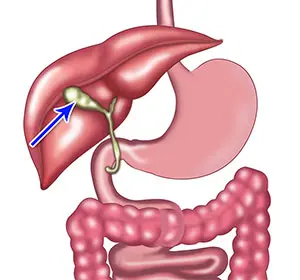
The gallbladder is a small, pear-shaped organ located beneath the liver. Its primary function is to store bile, and this digestive fluid is produced by the liver. When this organ becomes diseased, its ability to store and release bile is compromised.
Because multiple disorders can affect the gallbladder and biliary system, the term “gallbladder disease” encompasses conditions such as gallstones (cholelithiasis), gallbladder inflammation (cholecystitis), bile duct infections (cholangitis), and gallbladder polyps. Gallstones are the most prevalent form, and they occur when substances in bile, such as cholesterol or bilirubin, harden into deposits. A specialist will identify the condition through diagnostic tests.
What Are the Symptoms?
Symptoms vary depending on the type and severity of the condition. While some patients experience sudden, intense episodes, others report only mild or intermittent discomfort. Biliary colic presents as a sharp, cramping pain in the upper right or center of the abdomen, and it may radiate to the right shoulder or back. Recognizing these signs early can make a difference in treatment outcomes, and consulting a specialist is key.
Other symptoms associated with gallbladder disease include:
- Nausea and vomiting
- Bloating and indigestion
- Fever and chills (typically indicating infection)
- Jaundice (yellowing of the skin or eyes)
- Dark urine or pale stools
Fever and jaundice are signs that require prompt medical attention, as these symptoms may indicate a blocked bile duct or a spreading infection.
How Are Symptoms Managed?
Management depends on the underlying diagnosis and the severity of symptoms. A specialist will typically begin with imaging studies to confirm the presence of gallstones or inflammation, and blood tests may also be ordered to assess liver function and detect signs of infection. Ultrasounds are a commonly used imaging tool. If symptoms are mild, dietary adjustments, including reducing fat intake, help manage the condition and lessen symptom frequency. Medications may be prescribed to dissolve small cholesterol-based gallstones.
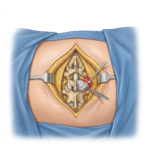
When symptoms are severe or recurrent, surgery is generally recommended. Laparoscopic cholecystectomy is a standard surgical treatment, and it offers a shorter recovery time compared to open surgery. This procedure is minimally invasive. Some patients can resume normal activities within a couple of weeks following the procedure.
Learn More About Gallbladder Disease
Gallbladder disease presents in many forms, and its symptoms range from mild digestive discomfort to acute abdominal pain requiring urgent care. Identifying the signs early and seeking evaluation from a qualified specialist is key to effective management. Whether treatment involves dietary changes, medication, or surgery, outcomes may be favorable when the condition is addressed promptly. To learn more about gallbladder disease, speak with a specialist.