


Your eyes let you see the world, and they can also reveal information about your general health. Vision affects how you work, drive, read, and move through daily life, so caring for your eyes matters at every age. Optometrists are eye care providers who diagnose and manage many conditions that affect vision. Their work supports not only clear sight but also early detection of certain health issues, making regular visits valuable. Here’s information on optometrist visits and how they help manage overall health:
Performing Routine Eye Exams
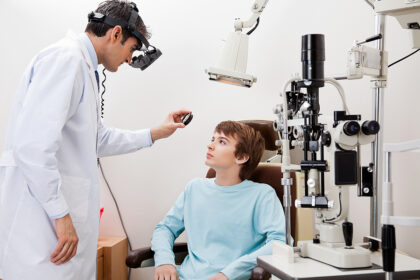
Routine eye exams are a central part of what an optometrist does. During these visits, the optometrist checks how well you see and looks at the structures inside and around your eyes. Exams are recommended on a regular schedule, and the frequency depends on your age, medical history, and any symptoms you may have.
Checking Vision and Eye Function
An optometrist measures your visual sharpness and tests how your eyes work together. They may assess focus, eye movement, and how your pupils respond to light. These tests help identify refractive errors such as:
- Nearsightedness
- Farsightedness
- Astigmatism
Catching changes early gives you the chance to address them before they interfere with daily tasks.
Screening for Broader Health Signs
During a routine exam, an optometrist may notice signs associated with conditions like diabetes or high blood pressure. This is because the eyes offer a clear view of blood vessels and nerve tissue that connect to the rest of the body. When something looks unusual, the optometrist can refer you to another provider, often an ophthalmologist, for further evaluation.
Prescribing Glasses and Corrective Lenses
When an eye exam shows a refractive error, an optometrist will prescribe corrective lenses to bring images into sharper focus. Glasses and contact lenses are two common options, but the appropriate choice often depends on your lifestyle and personal preferences. The optometrist determines the exact prescription needed for each eye and reviews it during future visits.
Clear vision can support safer driving, easier reading, and greater comfort during screen use. Optometrists also fit specialty lenses for specific needs, such as multifocal options for people who require correction at more than one distance. Regular follow-up allows the optometrist to update your prescription as your vision changes over time.
Prescribing Medications
Optometrists can also prescribe medications for certain eye conditions. They evaluate your symptoms, examine the affected area, and select a treatment appropriate for your situation. Follow-up visits let your eye doctor track how the eye responds and adjust care when needed. Some common prescription treatments are for:
- Infections
- Inflammation
- Dryness
- Chronic Eye Diseases
Optometrists and ophthalmologists often work together to provide comprehensive eye care. An ophthalmologist can perform surgery and manage complex cases, so this collaboration helps you receive the appropriate level of care. When a condition requires surgical treatment, the optometrist can coordinate a referral and continue to support ongoing management afterward.
Contact an Optometrist Today
An optometrist supports you through routine exams, corrective lenses, and medication management for specific conditions. Each of these services plays a part in maintaining clear vision and monitoring changes over time. Regular eye care connects to your overall well-being in ways that are easy to overlook. By scheduling exams on a consistent basis, you give yourself the opportunity to address concerns early. To learn about your eye and overall health, contact an optometry practice to schedule an exam.