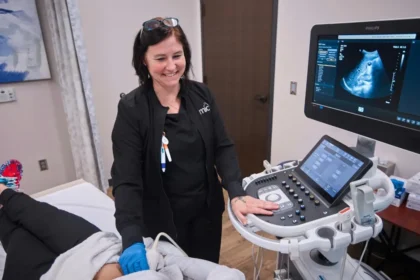

Women wellness covers a broad range of health needs throughout a woman’s life. These needs aren’t static; they evolve as women age. A holistic framework brings together the dimensions of women’s healthcare. Rather than treating each condition in isolation, this approach addresses all aspects of a woman’s health, which provides a more complete understanding of her overall well-being. Family medicine providers guide women through this process.
What Is Women Wellness?
Women wellness refers to the active management of a woman’s overall health. It goes beyond treating illness, as it focuses on prevention, early detection, and long-term health maintenance. Regular wellness visits allow healthcare providers to monitor changes and identify risk factors before problems develop. Women wellness is not a single appointment or a one-time screening; it is an ongoing partnership between a patient and her healthcare team. This partnership enables more personalized, effective care.
What Does It Involve?
A comprehensive wellness plan includes several routine screenings and preventive services that are designed to detect conditions early and keep a woman informed about her reproductive and overall health. Key components of a wellness visit include:
- Birth control counseling: Discussing contraceptive options based on a woman’s health history and family planning goals
- Pelvic exams: Evaluating the health of the reproductive organs
- Pap smears: Screening for cervical cancer and detecting abnormal cell changes
- Breast exams: Checking for lumps, changes in tissue, or other abnormalities
- STD testing: Identifying sexually transmitted infections
Screening frequency varies based on age, medical history, and individual risk factors.
How Is It Managed?
Women wellness is managed through routine screenings, preventive counseling, and ongoing communication with a family medicine provider. During these visits, providers review a patient’s medical history, and they discuss any new symptoms or health issues. Since proactive management promotes regular monitoring and evaluation, it can reduce the likelihood that developing conditions will go undetected.
When a screening returns abnormal results, the provider works with the patient to determine appropriate next steps, which may include follow-up testing. Treatment plans may also be adjusted based on findings. Addressing abnormal results promptly supports ongoing wellness management, and early intervention is beneficial.
What Are Holistic Approaches?
Holistic wellness approaches address women’s health comprehensively. Rather than focusing solely on medical history, this approach takes into account daily habits and environmental factors, which influence well-being. Nutrition, physical activity, and lifestyle factors shape overall wellness; addressing all three together may produce better outcomes than managing each independently. Lifestyle factors include sleep quality, substance use, and social connection.
Nutrition affects hormone regulation, energy levels, bone density, and disease prevention. A balanced diet rich in whole grains, lean proteins, healthy fats, and micronutrients supports reproductive health, and it helps reduce the risk of conditions like anemia, osteoporosis, and cardiovascular disease. Because nutritional needs vary by individual, a family medicine provider helps develop a plan tailored to a patient’s specific circumstances.
Exercise contributes to cardiovascular health, weight management, and reduced inflammation. A structured exercise plan may provide more consistent results than general recommendations, particularly when it accounts for a woman’s age, fitness level, and any existing conditions. Moderate physical activity is advantageous; regular aerobic movement supports long-term health outcomes. Addressing these factors as part of a comprehensive wellness plan helps patients sustain their health.
Consult a Doctor Today
Women wellness is a lifelong commitment that benefits from consistent, informed medical guidance. Routine screenings like pelvic exams, Pap smears, and breast exams help detect abnormalities, while holistic approaches strengthen overall health from the inside out. If you are looking to improve your health, schedule a wellness visit with a family medicine provider.