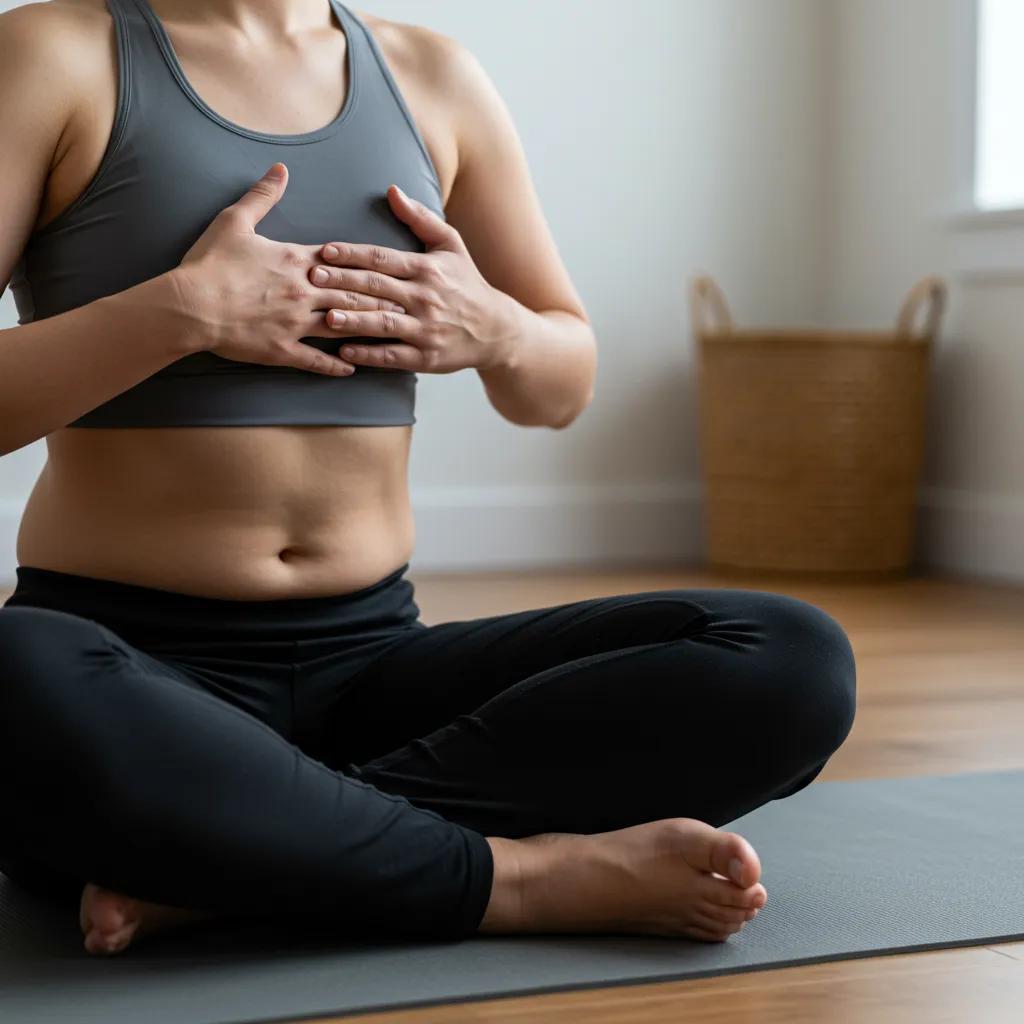

Uncertain times make it harder to manage thoughts, emotions, and daily responsibilities, especially when routines or plans change unexpectedly. Anxiety may lead to ongoing worry, physical tension, or difficulty focusing, but healthy coping strategies can help individuals become grounded and supported. Here is a closer look at developing coping mechanisms for anxiety during uncertain times:
Recognizing Anxiety Triggers
A trigger is anything that sets off a wave of anxiety, and identifying these patterns is a key first step. Some triggers are external, such as news updates or crowded spaces, while others come from internal sources, such as specific thoughts or memories. When you track what happens before your symptoms appear, you start to see clear patterns that you can address.
Keeping a log helps; people often find that writing down the time, place, and situation reveals their most common triggers. You may notice that anxiety rises every morning when you check your phone. Once you identify these connections, you can prepare for or limit your exposure to them. Self-awareness does not remove every trigger, but it gives you useful information to work with.
Creating Calming Daily Routines
Predictable routines provide structure, and structure can ease the uncertainty that fuels anxiety. The following habits may support a calm daily rhythm:
- Set consistent sleep and wake times: A regular sleep schedule helps regulate your energy, and it makes your days feel more predictable.
- Schedule regular meals: Eating at set times keeps your body fueled and prevents dips that may worsen tension.
- Incorporate movement: A short walk or a stretch session can release physical tension and give your mind a break from worry.
- Limit news and screen time: Setting boundaries around updates reduces information overload and lowers the chance of repeated triggers.
- Add a quiet wind-down period: A calm activity before bed signals rest, and it helps your mind shift away from the day’s stress.
Pick one or two habits to incorporate, and expand from there as they become familiar.
Using Healthy Coping Techniques
Healthy coping techniques give you tools to manage anxiety in the moment and improve with practice. Deep breathing is a starting point; slowing your breath can calm your nervous system within minutes. Grounding methods also help; one popular approach asks you to name things you can see, hear, and touch. Physical and creative outlets can also offer longer-term relief, and activities like journaling, art, or exercise channel nervous energy into something productive. Connecting with supportive people matters too, because conversation may ease isolation.
Knowing When to Seek Support
Self-help strategies work for some situations, but some signs indicate that extra support would be helpful. Here are key indicators that require professional evaluation:
- Symptoms that disrupt daily life: When anxiety interferes with work, sleep, or relationships, you should seek professional guidance.
- Coping techniques stop working: If your usual methods no longer ease your symptoms, a trained professional may suggest new approaches.
- Physical symptoms persist: Ongoing tension, headaches, or fatigue may need attention from a qualified provider.
- You feel overwhelmed often: Frequent feelings of being unable to cope are a clear signal to seek help.
- You withdraw from others: Pulling away from people you trust can deepen stress, and support can reverse that pattern.
Reaching out is a practical step, not a sign of weakness. A mental health specialist can connect you with the right tools.
Get Support for Anxiety Today
Recognizing the signs of stress and anxiety is fundamental for managing mental health effectively. Feeling persistently overwhelmed, withdrawing from loved ones, or experiencing symptoms that interfere with daily life are all key indicators to seek support. Reaching out for help is a practical and proactive choice, not a weakness. Contact a qualified mental health specialist near you to schedule your appointment and get expert support for anxiety today.