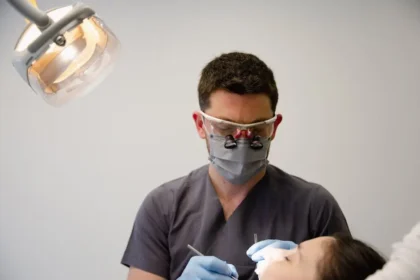

A dental emergency can happen without warning. You might bite down on something hard, and a tooth breaks. When pain strikes suddenly or bleeding won’t stop, quick action matters, and knowing your next step helps you stay calm. Your provider explains common situations, and they offer practical guidance to manage emergency dentistry situations.
Broken Teeth and Restorations
Teeth can chip, crack, or break during accidents and while eating. These injuries range from minor surface chips to deep cracks that reach the root. Damaged crowns, bridges, and implants need prompt attention. Emergency dentistry can repair or replace them when you arrive. Rinse your mouth with warm water first to clean the area. A cold compress reduces swelling, and it eases discomfort. Keep it nearby until your appointment. If a crack runs along the gumline, avoid eating or drinking until your dentist assesses it. Acting quickly limits further damage and gives your dentist more repair options. Contact the office as soon as possible.
Lodged Objects Between Teeth
Avoid sharp tools like toothpicks or needles, because they can cut your gums or push the object deeper. If the object stays stuck, call your dentist. The team will remove it safely. They will remove it without damaging your gums or enamel, so you can avoid further injury. Use these steps to manage the situation at home:
- Use dental floss first: Slide it carefully along the side of the tooth, and never snap it forcefully into the gum.
- Try a water flosser: It can dislodge stubborn debris and is gentler on sensitive gum tissue.
- Rinse with warm salt water: This reduces minor irritation while you wait for your appointment.
- Watch for warning signs: If bleeding does not stop or visible swelling appears near the gum, seek care promptly.
New Infections and Bleeding
It often causes pain, swelling, and a bad taste in the mouth, and it may also produce a visible bump on the gum. Do not ignore these signs, because the infection will spread to nearby teeth, the jaw, or other areas of the body. Rinse with warm salt water to reduce bacteria and ease minor discomfort. Contact your dentist promptly, because infections spread when left untreated. A dentist must drain the abscess and treat the source. Do not attempt to pop or squeeze an abscess at home, as this can push bacteria deeper into the tissue.
Over-the-counter pain relievers can help while you wait, but they do not treat the infection, so professional care is necessary. Apply gentle pressure with clean gauze, and hold it firmly in place for several minutes. Seek care if bleeding continues. This makes sure the wound receives prompt treatment. Go to an emergency room, or call your dentist right away. Support the jaw gently with your hand during transport, while avoiding eating or drinking until a provider assesses the injury.
Book Emergency Dentistry Care
Dental emergencies need timely treatment. Broken teeth, damaged restorations, abscesses, and persistent bleeding all call for professional care. Store any tooth fragments, rinse gently, and manage swelling with a cold compress until you arrive. Your dentist and the team provide same-day emergency dentistry, and they treat patients of every age. To schedule an appointment, call the office or book online today, and you will receive the care you need without delay.