

A hysterectomy is a surgical procedure involving the removal of the uterus, and it is a commonly performed gynecological surgery. It may be recommended for a range of conditions, including uterine fibroids, endometriosis, chronic pelvic pain, and certain cancers. The procedure can be performed in different ways depending on the specific diagnosis, overall health, and treatment goals of the patient.
What Is a Hysterectomy?
A hysterectomy is the surgical removal of the organ where a pregnancy develops. A person will no longer have menstrual periods once the uterus is removed, and they cannot become pregnant. Depending on the situation, a surgeon may remove only the uterus or the uterus along with other nearby structures. There are a few general types. A total hysterectomy involves removing the entire uterus, including the cervix. A partial hysterectomy removes the upper portion of the uterus, but it leaves the cervix in place. Surgeons can also remove the ovaries and fallopian tubes as part of the same operation.
What Does It Involve?
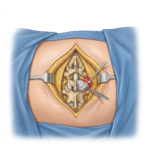
Surgeons perform hysterectomies using several approaches; the method chosen depends on the underlying condition, the size of the uterus, and a person’s overall health. An abdominal hysterectomy is performed through an open incision in the lower abdomen. A laparoscopic hysterectomy uses several small incisions and a thin, lighted instrument with a camera. The surgeon views the operating area on a monitor and removes the uterus through these smaller openings. A related method, the robotic-assisted hysterectomy, relies on a surgical system that the physician controls to perform precise movements.
Certain factors, such as the type of anesthesia, the length of the operation, and the size of incisions, vary with each method. A surgeon reviews these details based on individual circumstances. Minimally invasive options frequently involve less discomfort and a quicker return to daily activity, but the right choice always depends on the medical situation at hand.
What Should You Expect Afterward?
Recovery timelines differ according to the surgical method and personal health factors. After an abdominal hysterectomy, a hospital stay of a few days is common, and full recovery may take six to eight weeks. Laparoscopic approaches often allow a shorter hospital stay, facilitating a faster return to routine tasks.
In the days following surgery, some soreness, fatigue, and light vaginal discharge or bleeding are typical. Physicians generally advise limiting heavy lifting and strenuous activity during the initial weeks, but walking is often encouraged early on to support circulation. If the ovaries are removed, a person who has not yet reached menopause may begin to experience menopausal changes. A doctor can explain what this means and discuss available options for managing it.
Follow-up visits allow a physician to monitor healing and address any concerns. Reporting certain symptoms, such as fever, heavy bleeding, or increasing pain, to a medical provider promptly supports a safer recovery. Emotional adjustment often also accompanies this change, and speaking with a care team can help address those experiences.
Confer With Your Gynecologist
A hysterectomy is a decision that affects both the body and daily life, and it is one that benefits from a discussion with a gynecologist. Because each person’s health history is unique, a physician can outline the surgical approaches suited to a given case and describe what recovery will likely involve. A conversation with your doctor may help you move forward with a plan that reflects your health needs and personal circumstances.