
Bone health refers to the strength and density of bones, which provide structure, protect organs, and support movement. Maintaining strong bones throughout life reduces the risk of fractures, and it helps prevent conditions like osteoporosis. Understanding what affects bone health and how to support it can help individuals take proactive steps toward long-term skeletal strength.
What Is Bone Health?
Bone health describes the structural integrity and density of the skeletal system. Bones are living tissues that continuously break down and rebuild. Peak bone mass is typically reached in early adulthood, and maintaining it requires ongoing attention to diet, activity, and lifestyle factors. Strong bones support daily activities and reduce the likelihood of injury as the body ages.
What Does It Involve?
Bone health involves several interconnected factors, including calcium intake, vitamin D levels, and physical activity. Calcium provides the building blocks for bone tissue, while vitamin D facilitates calcium absorption in the body. Weight-bearing exercises, such as walking or resistance training, stimulate bone formation and help maintain density. Hormonal balance also plays a role, as hormones like estrogen and testosterone influence bone remodeling.
What Affects It?
Multiple factors influence bones, starting with age and genetics. Bone density naturally decreases with age, particularly after menopause in women due to reduced estrogen levels. A family history of osteoporosis or fractures can also increase the risk. Lifestyle choices, such as smoking and excessive alcohol consumption, negatively impact bone strength because they interfere with calcium absorption and bone formation.
Certain medical conditions and medications weaken bones over time. Conditions like rheumatoid arthritis, hyperthyroidism, and celiac disease may interfere with nutrient absorption or bone remodeling. Long-term use of corticosteroids and some anticonvulsants can lead to bone loss, but monitoring these risk factors with a healthcare provider allows for appropriate adjustments to treatment or lifestyle.
How Is Bone Health Maintained?
Maintaining bone health requires a combination of nutrition, exercise, and lifestyle modifications. A diet rich in calcium and vitamin D supports bone density, and sources include dairy products, leafy greens, fortified foods, and fatty fish. Adequate protein intake also contributes to bone structure and repair.
Weight-bearing and resistance exercises strengthen bones by placing stress on the skeletal system, and this stimulates bone-forming cells. Activities like jogging, dancing, and strength training are beneficial for people of all ages. Balance and flexibility exercises, such as yoga, reduce fall risk and support overall mobility.
Avoiding smoking and limiting alcohol intake protects bone density by reducing interference with calcium metabolism. Maintaining a healthy body weight also supports skeletal health, as being underweight can lead to bone loss. Regular check-ups and bone density screenings help track progress and identify areas for improvement.
How Is Professional Guidance Beneficial?
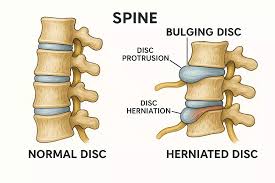
Professional guidance from healthcare providers, including interventional radiologists, offers tailored strategies for health management. Interventional radiologists can perform procedures to treat fractures caused by weakened bones; these minimally invasive techniques stabilize the spine and alleviate pain without the need for open surgery. They also interpret imaging studies that assess bone density and detect fractures or abnormalities. Consulting with a healthcare team enables personalized recommendations tailored to individual risk factors and health history.
Consult an Interventional Radiologist Today
Bone health is a lifelong priority that requires attention to diet, exercise, and medical care. Understanding the factors that influence bone strength and taking proactive steps can reduce the risk of fractures and osteoporosis. Consult an interventional radiologist and learn more about protecting your lifelong health.