

Knee pain affects daily mobility, and it stems from mechanical injuries or chronic arthritis. Patients can find relief through targeted rest, ice application, joint compression, and leg elevation. A pain management specialist provides advanced medical interventions when these conservative home treatments fail to resolve chronic joint discomfort permanently. Understanding the underlying mechanisms of this type of pain helps patients select appropriate care strategies. Here is more information on knee pain and how to find relief:
What Is Knee Pain?
Knee pain is physical discomfort in or around the knee joint. The knee joint connects the femur to the tibia, and it relies on a network of ligaments and cartilage for stability. When structural damage occurs, individuals experience varying degrees of localized pain. Symptoms range from a dull ache to sharp, debilitating sensations.
Medical professionals evaluate these symptoms to determine the exact origin of the joint dysfunction. The location of the pain indicates specific internal issues, and the timing of the discomfort can reveal underlying patterns. Since the internal structures are interconnected, an isolated injury may affect the entire joint mechanism.
What Causes It?
Joint damage can be attributed to a variety of factors, ranging from acute mechanical injuries to chronic degenerative conditions.
- Mechanical injuries like ligament sprains and meniscus tears
- Age-related conditions such as osteoarthritis
- Overuse syndromes
- Autoimmune conditions, including rheumatoid arthritis and gout
- Bacterial infections
Identifying the specific root cause helps guide the overall treatment approach.
How Are Daily Activities Affected?
Chronic joint discomfort restricts basic mobility, making walking up stairs and standing for prolonged periods difficult. The knee supports the body’s entire weight, so even minor structural deficits limit functional independence. Patients may alter their natural gait to avoid triggering sudden pain. These compensatory movements place undue stress on the hips, and they destabilize lower back alignment.
What Are Effective Home Remedies?
The RICE (rest, ice, compression, and elevation) method remains a standard protocol for acute joint care. Patients rest the affected leg, and they apply ice packs for specific intervals. While ice reduces local swelling, compression bandages prevent further fluid accumulation. Elevating the leg above the heart uses gravity to reduce venous pressure. Gentle stretching routines maintain joint flexibility during the healing process.
How Can a Professional Help?
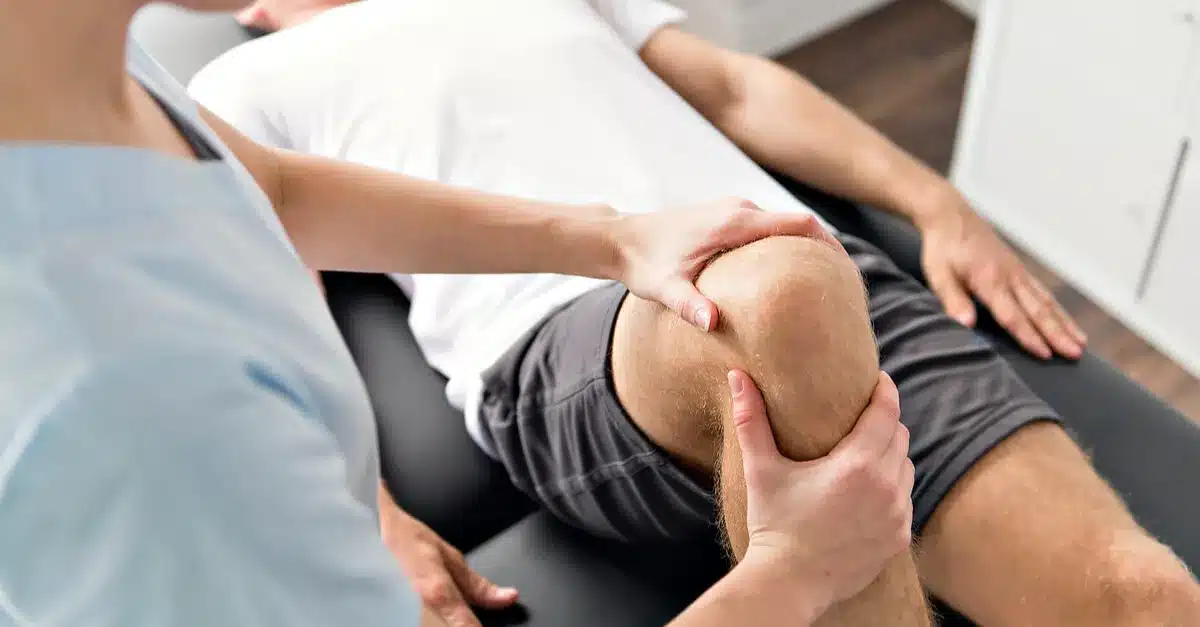
A pain management specialist provides advanced diagnostic and therapeutic interventions. These physicians order imaging tests such as MRIs, and they analyze the internal joint structures. If home treatments fail, the specialist develops a targeted medical protocol. Professional oversight helps prevent the progression of reversible joint damage.
Clinical treatments include steroid injections, physical therapy, nerve blocks, and radiofrequency ablation. When non-invasive methods yield insufficient results, the specialist evaluates the necessity for surgical consultation. The ultimate goal is to restore full anatomical function, and consulting a specialist helps determine which treatment is right for each situation.
Find Relief Today
Knee discomfort originates from diverse mechanical and degenerative sources. Home treatments such as rest and targeted temperature therapy mitigate mild symptoms, and activity modification helps prevent immediate aggravation. Since chronic joint degradation requires expert analysis, consulting a pain management specialist helps with recovery. Contact a local medical clinic to schedule a comprehensive joint evaluation.