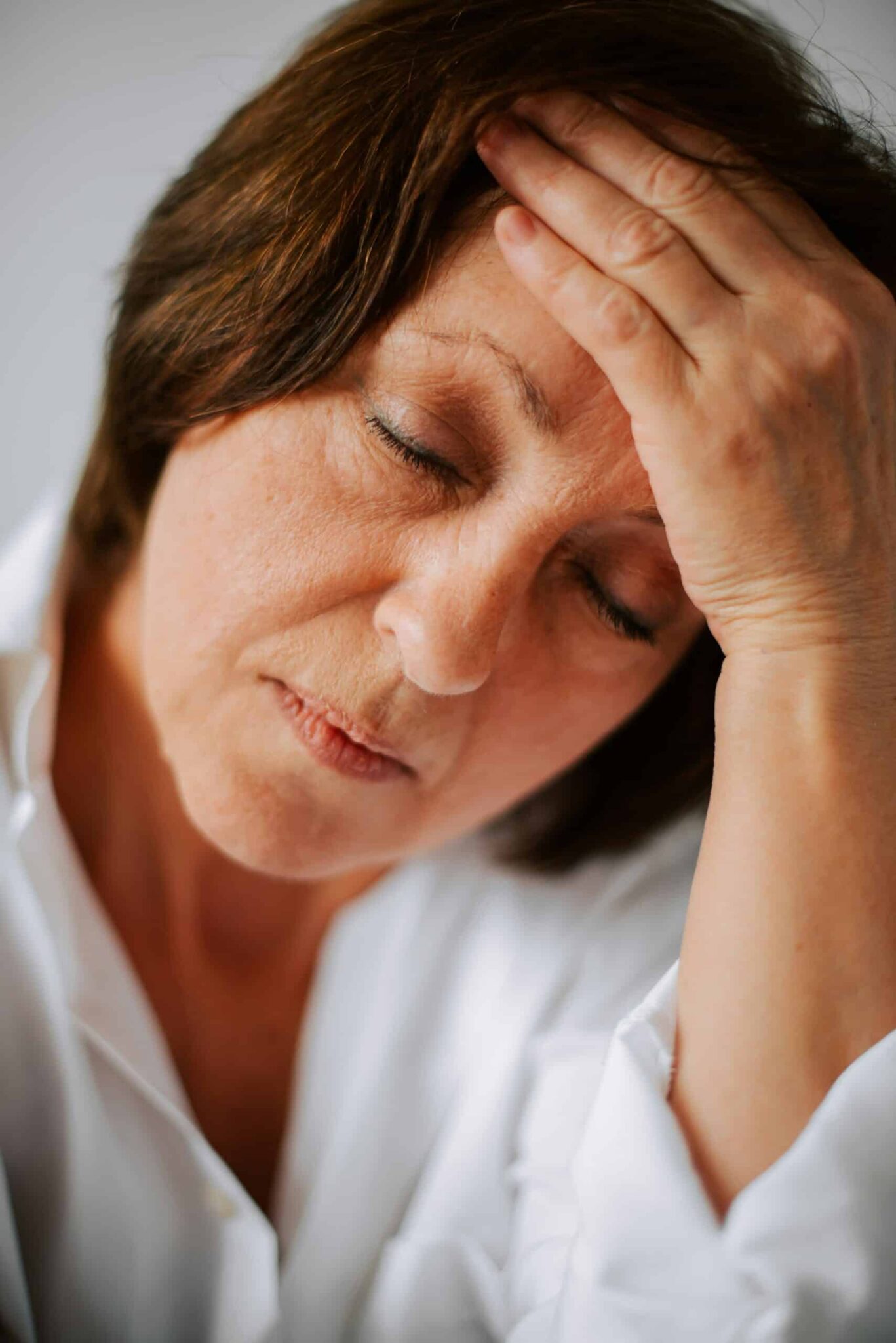

Menopause marks a natural transition in a woman’s life, and it brings a variety of physical changes. Because the body stops producing specific hormones, women experience a range of physical manifestations throughout their daily routines. Understanding these natural bodily shifts helps patients find the right treatments for their menopause symptoms. Here is more information about the symptoms of menopause and how doctors can help treat them:
Defining Menopause
Menopause symptoms begin when the ovaries stop releasing eggs, and hormone levels drop significantly. Women reach this stage after they go twelve consecutive months without a regular menstrual period, typically beginning at age 45. This biological shift happens naturally with age. Because every woman experiences this phase differently, personalized medical guidance can help you navigate this transition more comfortably.
Managing Hot Flashes
Dropping estrogen levels directly affects the hypothalamus, and this specific brain region regulates internal body temperature. The exact cause of hot flashes is still unknown, but they manifest as a sudden heat wave throughout the upper chest and face. Patients experience severe sweating during these uncomfortable episodes. The heart rate increases noticeably. When the hot flash subsides, a sudden cold chill might follow.
Available treatment options include the following interventions:
- Hormone replacement therapy provides systemic relief for severe cases.
- Prescription nerve medications offer effective nonhormonal alternatives for symptom management.
- Simple lifestyle adjustments keep the body cooler throughout the day and night.
- Trigger avoidance helps to reduce incidences of hot flashes.
Although hot flashes cause discomfort, medical treatments may ease these sudden temperature spikes. Doctors prescribe medications and lifestyle changes to help patients with these vasomotor symptoms.
Addressing Bone Loss
Estrogen actively protects natural bone density, so falling hormone levels lead to bone deterioration. When bone density drops significantly, the skeletal structure becomes fragile. Medical professionals use specialized bone density scans, or DEXA scans, to diagnose this condition early. These painless imaging tests measure the mineral content within the bones, and they help doctors assess the overall fracture risk. If the tests reveal significant deterioration, providers develop a comprehensive treatment plan.
Doctors prescribe medications to rebuild weakened bone tissue, and they may recommend calcium supplements for ongoing nutritional support. Because aging bones need continuous support, weight-bearing exercises stress the bones enough to prompt the body to fortify them. Patients prevent future fractures by staying physically active. Walking and resistance training provide benefits for the skeletal system, and these activities improve overall physical balance, which can help prevent falls.
Treating Vaginal Dryness
Decreasing estrogen thins vaginal tissues, and this loss of natural moisture creates physical discomfort. When the mucosal lining loses its natural elasticity, persistent physical irritation occurs. Moisture decreases rapidly over time. Intercourse becomes painful, and the surrounding skin becomes highly sensitive to friction.
Healthcare providers offer solutions to restore natural moisture safely. If persistent irritation continues, specialized pharmaceutical creams may help. Estrogen creams target the affected area directly, or a lubricant provides immediate physical comfort.
Here are some other ways to manage vaginal dryness during menopause:
- Stay adequately hydrated: Proper hydration is crucial for overall bodily functions, including maintaining moisture in vaginal tissues.
- Maintain a balanced diet: Consuming foods rich in omega-3 fatty acids and phytoestrogens can support overall vaginal health.
- Avoid harsh soaps and fragranced products: These can irritate the delicate vaginal area and disrupt its natural pH balance.
Get Relief From Menopause Symptoms
Menopause initiates significant bodily changes, and managing these shifts may benefit from targeted medical care. When patients experience hot flashes or bone loss, they can benefit from medications and lifestyle changes to manage the effects. To learn more about menopause and symptom relief, consult a women’s healthcare provider near you.