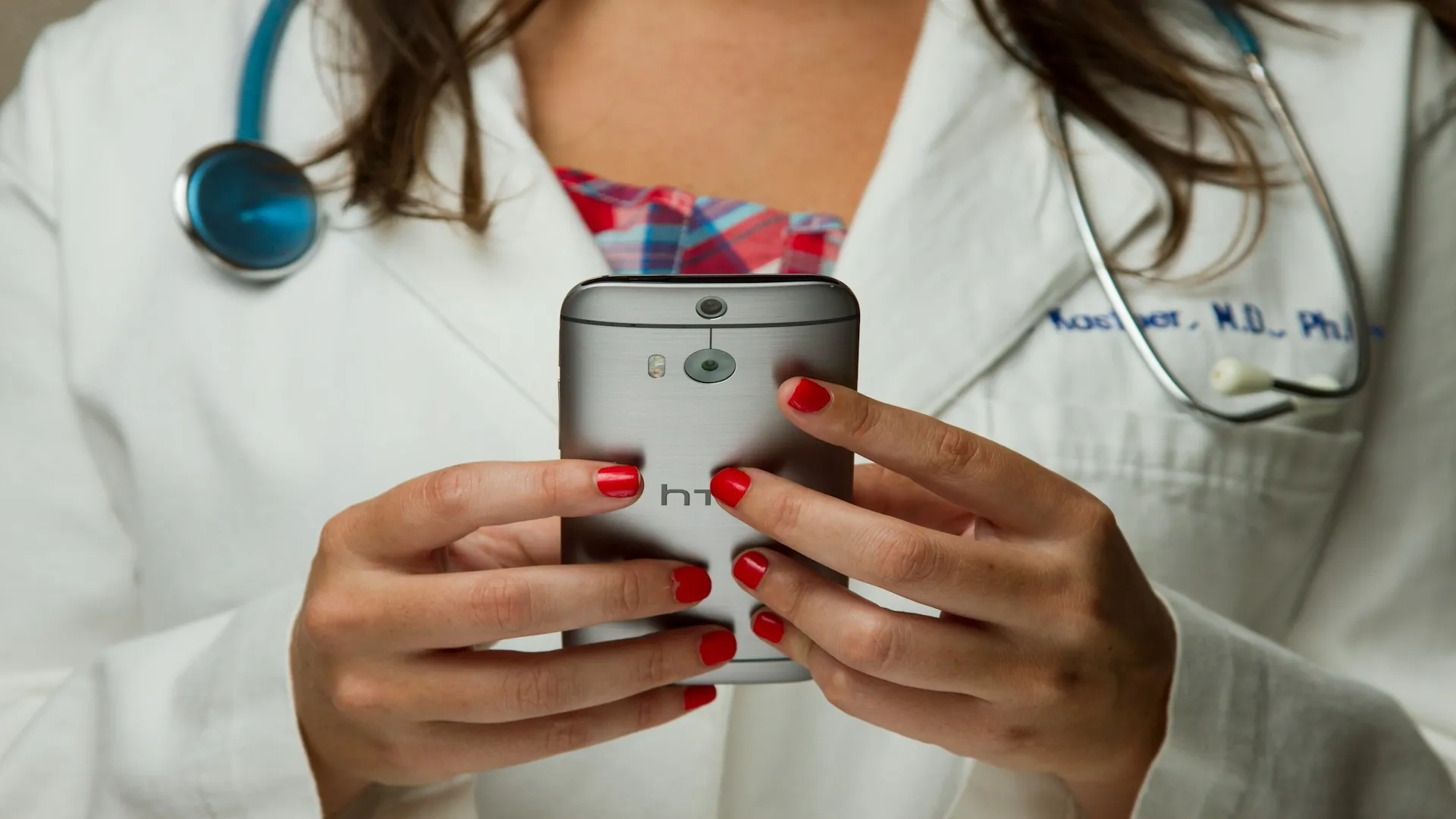

Telemedicine doctors are licensed physicians who treat patients through video calls, phone calls, and secure messaging. They handle many of the same tasks an in-person doctor does, and they often work across multiple states. Since technology now connects clinics and homes, more patients reach care without leaving their living rooms. Here is more information on telemedicine doctors:
Increasing Availability
Many telemedicine platforms offer a range of appointments. You log in during evenings or weekends, and a telemedicine doctor reviews your symptoms when they are available. Since schedules vary, some services operate around the clock.
These platforms often shorten the gap between need and care. A patient with a minor infection requests a same-day visit, and the doctor sends a prescription to a nearby pharmacy. When clinics close, virtual options remain open.
Overcoming Geographic Barriers
Rural patients may live hours from the nearest specialist. A telemedicine doctor removes that travel, and a patient in a remote town meets a cardiologist online. When distance no longer dictates access, more people schedule the appointments they once skipped.
Some regions have few local providers, so wait times stretch for months. Video visits connect these patients to doctors in larger cities, and the appointment happens within days. Since broadband reaches more homes each year, this option keeps expanding.
Travel setbacks add up for many families. A virtual visit cuts mileage, parking, and time off work, and the patient stays home. While connection issues sometimes occur, most appointments proceed without interruption.
Improving Chronic Condition Management
People with chronic conditions need regular check-ins. Telemedicine doctors review test results, adjust medications, and answer questions between in-person visits. Since the process is digital, patients log symptoms and share them quickly.
Several conditions suit virtual follow-up well:
- Diabetes
- High blood pressure
- Asthma
- Thyroid disorders
A patient sends glucose readings, and the doctor responds with guidance. Although some exams still require a clinic, routine reviews work online. Frequent contact keeps care plans current.
Monitoring Remotely
Remote monitoring uses devices that track health data at home. A blood pressure cuff or glucose meter sends numbers to the doctor, and the readings appear in a dashboard. Since data arrives steadily, the doctor spots changes early.
Typical monitoring tools include:
- Blood pressure monitors
- Wearable heart-rate trackers
- Glucose meters
- Pulse oximeters
These tools feed information into one record. A doctor reviews the trends, and the patient receives feedback without a separate appointment. While devices vary in accuracy, clinicians flag readings that look unusual.
Some platforms send alerts when numbers move outside a set range. The doctor contacts the patient, and a follow-up visit may follow. Since alerts arrive in real time, problems get attention sooner.
Find a Telemedicine Doctor
Telemedicine doctors expand access by removing distance, extending hours, supporting chronic care, and enabling remote monitoring. While virtual care does not replace every in-person visit, it covers a wide range of needs. Search a licensed telemedicine platform, create an account, and book a visit that fits your schedule. Bring your questions, your medication list, and any recent test results so the doctor has full context.