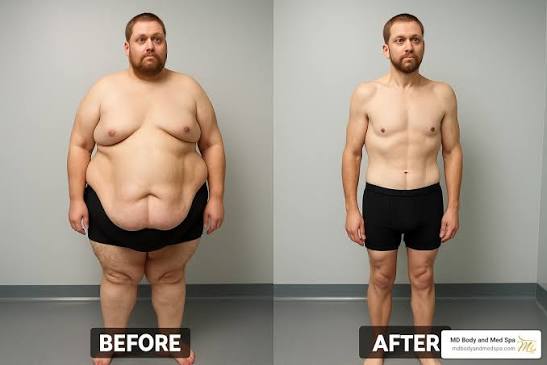

Weight loss surgery, also known as bariatric surgery, refers to a group of procedures that alter the digestive system to support healthy weight reduction. These operations may reduce the size of the stomach, reroute portions of the small intestine, or both. Surgeons typically recommend these procedures for individuals who meet specific medical criteria related to body weight and associated health conditions. Recovery is a significant part of the process, and each type of surgery follows its own timeline and set of guidelines. Here is information on three different bariatric surgeries and their postoperative care needs:
Recovery After Sleeve Gastrectomy
Sleeve gastrectomy is a weight loss procedure that involves removing a large portion of the stomach, leaving a smaller, sleeve-shaped section. After this procedure, patients usually begin with a liquid diet and gradually progress to soft foods and then solid foods over several weeks. Rest is fundamental during the early recovery stage, but light movement is often encouraged to support circulation. Many patients return to normal daily activities within a few weeks, though that timeline varies from person to person. Following your surgical team’s dietary and activity instructions supports a smoother recovery.
Recovery After Revisional Weight Loss
Revisional weight loss surgery is performed when a previous bariatric procedure needs adjustment or correction. Because these operations build on earlier surgeries, recovery may differ from that of a first-time procedure, and your care plan will reflect your individual history. After revisional surgery, patients follow a staged eating plan similar to other bariatric procedures. This often starts with clear liquids and advances toward regular textures as tolerated.
Physical activity usually resumes gradually during recovery, with follow-up appointments to monitor progress. These visits help identify concerns early and give you a chance to ask questions about your recovery. Consistent attendance at scheduled check-ups is a standard part of the process.
Recovery After Gastric Bypass
Gastric bypass reroutes part of the digestive tract, which changes how the body absorbs certain nutrients. Because of this, vitamin and mineral supplementation is a routine part of care after the procedure. Patients who undergo gastric bypass need different supplement combinations, depending on individual health factors. Some common supplements and vitamins to add include:
- Vitamin B12
- Iron
- Vitamin A
- Folic Acid
- Calcium
- Thiamin
- Vitamin D
The altered digestive pathway affects how nutrients are absorbed, so your surgical team may recommend regular blood tests to monitor your levels. Taking supplements as directed is an ongoing commitment that continues for life. Your care team will provide detailed guidance on which supplements to take and how frequently to take them during and after recovery.
Learn About Weight Loss Surgery
Recovery after surgery depends on the type of procedure performed, your medical history, and your commitment to your recovery plan. Following dietary stages and maintaining any recommended supplementation are key parts of the process. If you have questions about post-operative care, a qualified bariatric surgeon can review your situation and explain your options. Schedule a consultation to learn more about the procedures available and what recovery may involve for you.