

Sports injuries affect athletes at every level, and these impact everyone from weekend runners to seasoned competitors. A sprained ankle, torn ligament, or strained muscle sidelines you, and each injury demands a specific recovery plan. When you understand your treatment options, you make more informed choices about your care. Here are some rehabilitation strategies you might encounter:
Custom Orthotics
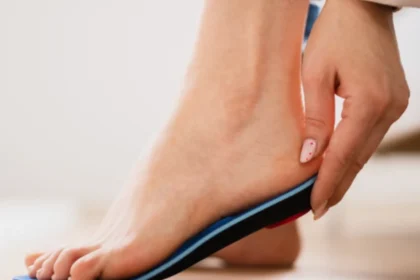
Custom orthotics are shoe inserts molded to the shape of your feet. A specialist takes measurements, and a lab produces inserts matched to your foot structure. If your gait puts uneven stress on joints, orthotics help redistribute that pressure.
These devices support recovery from sports injuries tied to alignment problems. Typical conditions treated with orthotics include:
- Plantar fasciitis
- Shin splints
- Achilles tendinitis
Your provider fits the inserts, and you wear them inside supportive footwear. Orthotics address the underlying mechanics, so they work best when your body moves incorrectly during activity. Runners typically use them for repetitive impact issues.
Physical Therapy
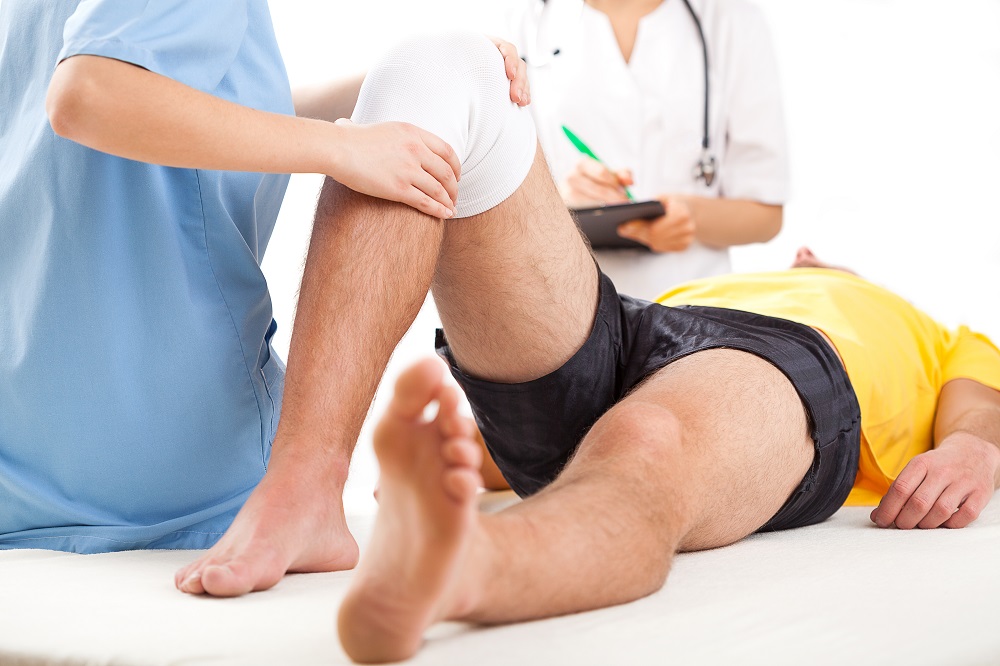
Physical therapy uses guided movement to restore strength and range of motion. A therapist evaluates your injury, and they design exercises for your specific limitations. If you skip sessions, progress slows considerably.
Therapists track your improvement over several weeks. As each program targets weak areas, the exercises change as you heal. Manual techniques, stretching, and resistance work all appear in a typical plan.
Many athletes recover mobility through consistent sessions. You attend appointments, and you complete assigned exercises at home. When your therapist adjusts the routine, you progress toward your baseline function.
Athletic Taping
Athletic taping applies adhesive strips to support injured joints and muscles. A trainer wraps the affected area, and the tape limits harmful movement. If applied correctly, taping stabilizes the joint during activity.
Two main types exist for different purposes:
- Rigid tape: Restricts motion and supports damaged ligaments
- Kinesiology tape: Allows movement while reducing swelling
The method you use depends on your injury and stage of recovery. Since tape wears out, trainers reapply it before each session. You remove the strips afterward, and the skin gets time to breathe.
Progressive Training
Progressive training reintroduces activity in measured stages. You start with light loads, and intensity increases as your body adapts. If you rush the process, you risk reinjury.
A structured plan follows clear steps toward full participation:
- Light mobility work and controlled movement
- Moderate resistance and sport-specific drills
- Full-intensity practice under supervision
Coaches and therapists monitor your response at each phase. Since tissue heals gradually, the timeline varies between individuals. You advance to the next stage once you meet set benchmarks.
Some athletes track their progress with simple metrics. Pain levels, range of motion, and strength give useful markers. When these numbers stabilize, your provider clears you for the next step.
Get Treated for Sports Injuries
Rehabilitation depends on the injury and the strategy that fits it. Custom orthotics, physical therapy, taping, and progressive training each serve distinct roles. If you experience persistent pain, a professional evaluation identifies the right approach for you. Schedule an appointment with a qualified provider today. They assess your condition, and they build a plan around your recovery goals.